Two and a Half Centuries of Getting Soldiers Into the Fight
For most of American history the fastest way to move troops across a battlefield was a horse. Open any entry to see how that changed, and how each step shaped the next.
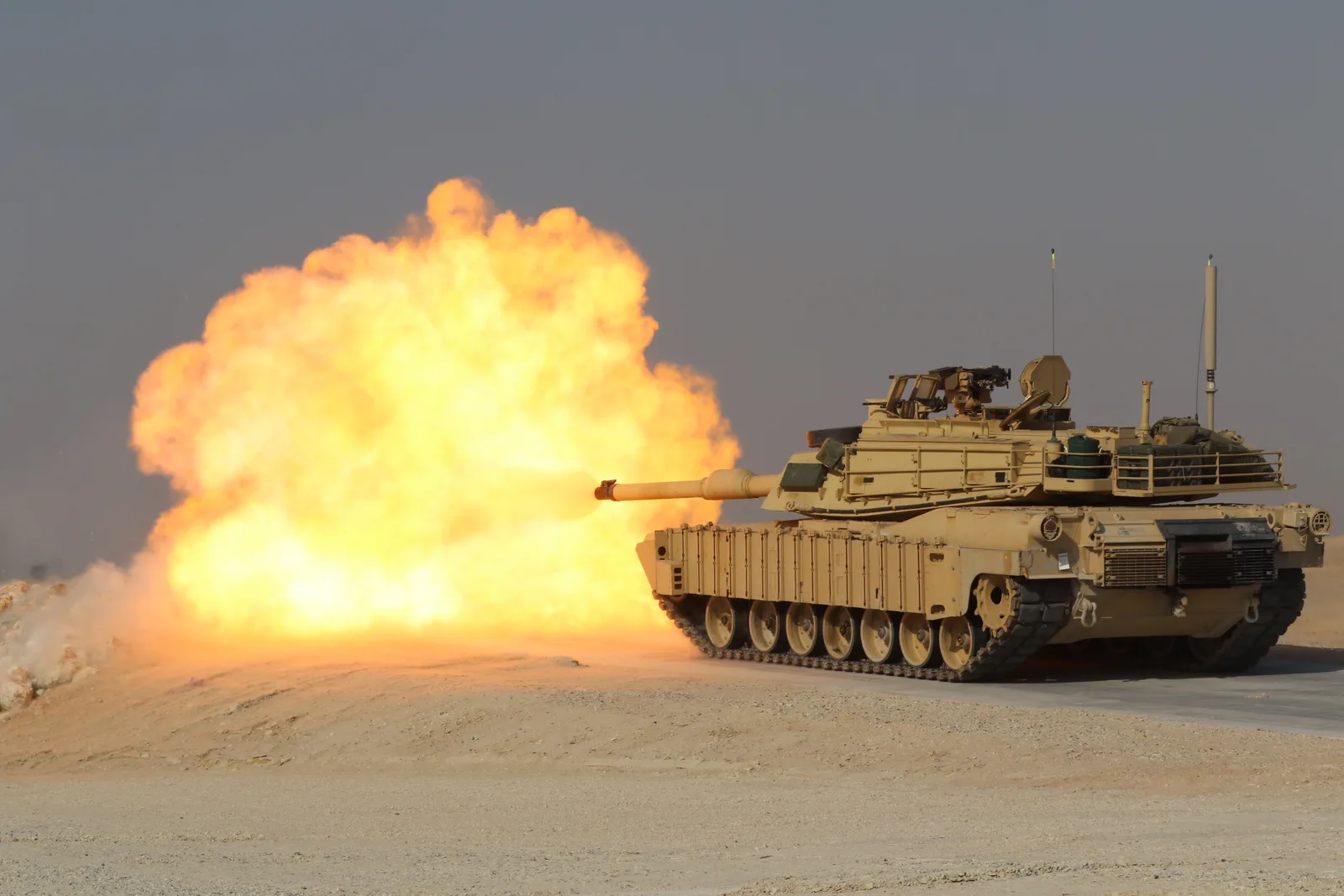
The story of American ground combat vehicles is really a story about speed and protection. For almost 170 years, from the Revolution to the early days of World War II, mounted soldiers on horseback gave commanders speed. The machine age replaced the horse with the tank, the armored personnel carrier, and the truck, and each war since has pushed designers to trade between moving fast, carrying firepower, and keeping the crew alive. See how these vehicles fit into the wider story of U.S. military history.
The Army has always operated most of these vehicles, but the Marine Corps built its own tradition around vehicles that can swim ashore from ships, and the Navy and Air Force are what get armor to distant battlefields. The milestones below are drawn from the U.S. Army Center of Military History, the Marine Corps History Division, the Naval History and Heritage Command, the Government Accountability Office, and the Congressional Research Service.
At a Glance
1776
Continental Congress authorizes four regiments of light dragoons
1942
Last U.S. horse cavalry charge, by the 26th Cavalry in the Philippines
~49,000
M4 Sherman tanks built in World War II, the most of any U.S. tank
~27,000
MRAP vehicles fielded to protect troops from roadside bombs
Sources & Further Reading
- History of U.S. Armor and Cavalry, U.S. Army Center of Military History
- National Armor and Cavalry Museum, U.S. Army, Fort Benning
- National Museum of the United States Army, U.S. Army
- Marine Corps History Division, U.S. Marine Corps University
- Naval History and Heritage Command, U.S. Navy
- Army Ground Vehicle and Armored Vehicle Programs, Congressional Research Service
- Reports on MRAP and Army vehicle programs, Government Accountability Office
- Army news on Stryker, AMPV, and vehicle modernization, U.S. Army
- Battle of Brandy Station and Civil War cavalry, American Battlefield Trust
- Little Bighorn Battlefield National Monument, National Park Service
- Civil War photographs, Library of Congress
- Official military photographs, Defense Visual Information Distribution Service
Production totals and service dates vary between sources, especially for World War II vehicles built by several manufacturers and for vehicles exported abroad; the figures here are the ones most commonly cited by the U.S. Army Center of Military History, the services, and the Congressional Research Service. Program decisions after 2023 (the M10 Booker cancellation, Army changes to Humvee and JLTV purchases, and the Marine Corps' vehicle plans) reflect announcements current as of September 2026 and may change.