What HHS Does
Established April 11, 1953 (as Health, Education, and Welfare); renamed HHS in 1980, The U.S. Department of Health and Human Services is one of the fifteen Cabinet-level departments of the U.S. federal government.
HHS is the federal government's principal agency for protecting the health of all Americans. It administers Medicare, health insurance for people 65 and older and some younger people with disabilities, and works with states to jointly fund Medicaid, health coverage for low-income Americans, together covering more than 150 million people nationwide.
The department also houses the Centers for Disease Control and Prevention (CDC), which tracks and responds to disease outbreaks, the Food and Drug Administration (FDA), which approves new drugs and medical devices and regulates food safety, and the National Institutes of Health (NIH), the world's largest public funder of biomedical research.
HHS is by far the largest federal department by budget, since Medicare and Medicaid alone account for the majority of its roughly $1.7 trillion in annual spending, an amount larger than the entire federal budget of nearly every other country in the world.
Beyond health, HHS runs much of the social safety net through the Administration for Children and Families: Temporary Assistance for Needy Families (TANF), foster care and adoption assistance, child support enforcement, child care subsidies, Head Start, and refugee resettlement. It also includes the Indian Health Service, the Substance Abuse and Mental Health Services Administration, and the Administration for Strategic Preparedness and Response, which manages the Strategic National Stockpile of drugs and equipment.

The Secretary of Health and Human Services
The Secretary of Health and Human Services leads HHS, sits on the President's Cabinet, and is confirmed by a majority vote of the U.S. Senate.
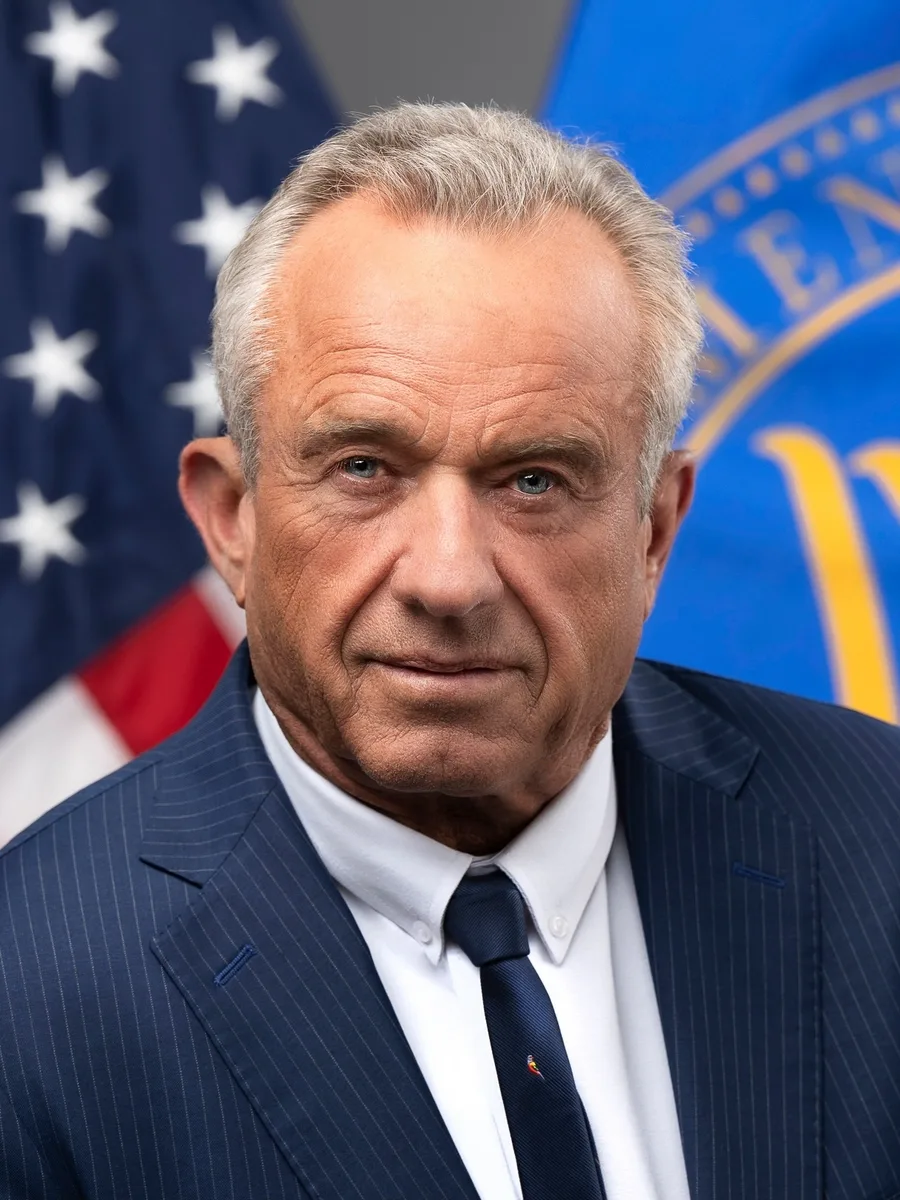
Current Secretary of Health and Human Services
Robert F. Kennedy Jr.
In office since
February 13, 2025
Prior role: Environmental attorney and public health advocate; 2024 independent presidential candidate
Robert F. Kennedy Jr. was confirmed as Secretary of Health and Human Services on February 13, 2025. He spent decades as an environmental attorney, founding the Waterkeeper Alliance and litigating pollution cases, before shifting his public focus toward vaccine safety and chronic disease advocacy in the years leading up to his appointment.
Kennedy ran for president in 2024, first seeking the Democratic nomination before running as an independent, and later endorsed Donald Trump and joined his administration, where he has led the 'Make America Healthy Again' initiative focused on chronic disease, food additives, and vaccine policy review.
Major Sub-Agencies & Bureaus
HHS carries out its mission through operating divisions and sub-agencies, each with its own specific mandate.
CMS administers Medicare and works with states to jointly run Medicaid and the Children's Health Insurance Program, together covering more than 150 million Americans and accounting for the overwhelming majority of HHS's total budget, making CMS the single largest purchaser of health care in the world.
CMS sets the payment rates and coverage rules that shape how hospitals, doctors, and drug companies price and deliver care across the entire U.S. health system, since private insurers frequently benchmark their own rates against Medicare's published payment schedules.
It also runs the federal HealthCare.gov marketplace for individual insurance, sets and enforces the health and safety standards hospitals and nursing homes must meet to be paid by Medicare or Medicaid, and, under the 2022 Inflation Reduction Act, negotiates the prices of a growing list of the highest-spending Medicare Part D and Part B drugs for the first time.
CMS itself has only a few thousand employees relative to the scale of money it moves, because it pays claims and enforces rules largely through private contractors: Medicare Administrative Contractors process claims, and private Medicare Advantage and Part D plans now cover more than half of all Medicare beneficiaries.
The CDC tracks infectious disease outbreaks, chronic disease trends, and public health emergencies nationwide and internationally, coordinating the U.S. response to events ranging from seasonal flu to the COVID-19 pandemic, and maintains the vaccine schedule recommendations pediatricians and public health departments follow.
Headquartered in Atlanta rather than Washington, the CDC also runs the Epidemic Intelligence Service, a training program that deploys 'disease detectives' to investigate outbreaks around the world, a model many other countries have since copied for their own public health agencies.
The CDC has almost no regulatory power; its influence runs through guidance, data, and roughly $10 billion a year in grants to state, local, and tribal health departments, which do most frontline public health work. Its origins are in a 1946 malaria-control program in the South, which is why it sits in Atlanta.
The recommended vaccine schedule is set by the CDC director after a vote by the Advisory Committee on Immunization Practices, an outside panel of experts; a favorable ACIP recommendation also triggers coverage requirements for most insurers and eligibility for the Vaccines for Children program, which is why changes to it draw intense attention.
The FDA approves new prescription drugs, vaccines, and medical devices before they can be sold in the United States, and regulates the safety of most of the U.S. food supply (with meat, poultry, and eggs instead regulated by USDA), a division of labor that frequently confuses people encountering it for the first time.
FDA drug approval typically follows a multi-phase clinical trial process that can take a decade or more from initial discovery to market, though the agency maintains expedited pathways for treatments addressing serious diseases with few existing options, used prominently during the COVID-19 vaccine rollout.
The agency oversees products accounting for roughly 20 cents of every consumer dollar spent in the United States, including drugs, biologics, medical devices, most food, cosmetics, tobacco, and radiation-emitting products. Since 1992, drug companies have paid "user fees" that now fund a large share of the FDA's drug-review staff, an arrangement critics say creates a conflict and supporters credit with faster reviews.
The FDA's food side, long seen as underfunded compared with its drug side, was reorganized into a unified Human Foods Program after infant-formula and lead-in-applesauce failures in the 2020s. The agency generally cannot order a mandatory recall except for a few product categories and instead relies on companies to recall voluntarily after FDA findings.
NIH is the world's largest public funder of biomedical research, distributing tens of billions of dollars annually in research grants to universities and hospitals nationwide, alongside conducting its own research at 27 separate institutes and centers on its Bethesda, Maryland campus, each focused on a specific disease area or research discipline.
NIH-funded research has contributed to the development of numerous major medical breakthroughs over the decades, including cancer treatments, HIV therapies, and the mRNA vaccine technology platform used in COVID-19 vaccines developed under Operation Warp Speed.
About 83 percent of the NIH's roughly $47 billion budget goes out as competitive grants to more than 300,000 researchers at some 2,500 institutions in every state; roughly 10 percent funds the in-house "intramural" program, including the NIH Clinical Center, the largest research hospital in the world. NIH grants have been associated with work behind a large majority of new drugs approved over the past decade.
The largest of the 27 institutes is the National Cancer Institute, which has its own budget line set by Congress. NIH grant policy is periodically contested, over the share of grant money that pays universities' overhead "indirect costs," over rules on research with human embryos and fetal tissue, and, after 2020, over oversight of grants to foreign labs.
From April 11, 1953 (as Health, Education, and Welfare); renamed HHS in 1980 to Today
The predecessor of HHS was the Federal Security Agency (1939-1953). Here is how the department reached its current form.
President Franklin Roosevelt created the Federal Security Agency in 1939 to consolidate federal health, education, and Social Security functions that had been scattered across multiple agencies, a precursor to the eventual Department of Health, Education, and Welfare.
The agency initially administered the newly created Social Security program alongside public health and vocational rehabilitation services, reflecting the rapid expansion of federal social welfare responsibility during the New Deal era.
Some federal health functions were older still: the Public Health Service traces to a 1798 law creating marine hospitals for merchant sailors, and the Food and Drugs Act of 1906 gave the government its first authority over adulterated food and medicine. The FSA drew these together with Social Security and the Civilian Conservation Corps.
President Eisenhower elevated the Federal Security Agency to full Cabinet status in 1953 as the Department of Health, Education, and Welfare, appointing Oveta Culp Hobby as the first secretary and only the second woman to hold a Cabinet post in American history.
The department oversaw both health and education policy for its first 26 years, a combined mandate that grew increasingly unwieldy as both areas expanded dramatically, eventually leading Congress to split them into two separate departments.
Hobby's short tenure was marked by the rollout of the Salk polio vaccine in 1955, which the department at first distributed with little federal control, leading to a manufacturing accident (the "Cutter incident") in which contaminated vaccine paralyzed dozens of children and prompted the first federal system for licensing and testing vaccine lots.
President Lyndon Johnson signed the Social Security Amendments of 1965 creating Medicare and Medicaid, with the department administering both programs from their very first day, transforming health care access for seniors and low-income Americans and permanently reshaping the department's budget and mission.
Johnson signed the bill in Independence, Missouri, alongside former President Truman, who had proposed a similar national health insurance program nearly two decades earlier but had been unable to get it through Congress during his own presidency.
The rollout also had a civil rights dimension: the department conditioned Medicare payments on compliance with the 1964 Civil Rights Act, and thousands of Southern hospitals desegregated their wards within months in order to be paid. Medicare has stayed a federal program run from Washington; Medicaid was designed as a state option, and it took until 1982 for the last state, Arizona, to join.
Congress split the Department of Health, Education, and Welfare in 1980, spinning off education functions into a new, separate Department of Education while renaming the remaining agency the Department of Health and Human Services, its name ever since.
The split reflected growing recognition that health policy and education policy had each become too large and complex to manage effectively under one department, a rationale that has held up well enough that the two have remained separate departments for over four decades.
The same era saw the Social Security Administration remain within HHS until 1995, when Congress made it an independent agency again. Welfare policy shifted sharply in 1996, when the Personal Responsibility and Work Opportunity Act replaced the open-ended Aid to Families with Dependent Children with the time-limited, work-focused TANF block grant that HHS still administers.
HHS led the federal government's response to the COVID-19 pandemic beginning in early 2020, coordinating the CDC's disease tracking, the FDA's emergency vaccine authorizations, and Operation Warp Speed, the public-private partnership that helped develop and distribute multiple COVID-19 vaccines in under a year.
The pandemic response also exposed significant strain in the department's public health infrastructure and data systems, prompting subsequent congressional review and ongoing debate over how to modernize federal pandemic preparedness for future outbreaks.
Operation Warp Speed used advance-purchase contracts, guaranteeing to buy hundreds of millions of doses before trials finished, to let manufacturers scale up at financial risk to the government rather than to themselves. The first vaccine received emergency use authorization in December 2020, about 11 months after the virus's genome was published, far faster than any prior vaccine. HHS also stood up a national testing program and mass distribution of monoclonal antibody treatments.
Defining Moments
Events that reshaped the department's authority, structure, or public role.
President Johnson's signing of Medicare and Medicaid into law in July 1965 is widely regarded as one of the most consequential moments in the department's history, immediately extending health coverage to millions of seniors and low-income Americans who had previously often gone without insurance.
Within a year of Medicare's implementation, the program had enrolled nearly 20 million Americans, and it remains, alongside Medicaid, the largest single component of the department's budget six decades later.
Before Medicare, roughly half of Americans over 65 had no health insurance, and older people were the age group least able to buy it because insurers charged them the most or refused to cover them at all. The share of seniors in poverty fell sharply in the decades after 1965, a decline researchers attribute partly to Medicare relieving out-of-pocket medical costs.
The American Medical Association had fought "socialized medicine" for decades and threatened a doctors' boycott in 1965; it did not materialize, and the law's design, paying private doctors and hospitals their usual fees rather than employing them, is a large part of why. That fee-for-service structure also drove decades of cost growth that later Congresses tried repeatedly to slow.
HHS's initially slow response to the emerging HIV/AIDS epidemic in the early 1980s drew sustained criticism from public health advocates and patient communities, prompting significant reforms in later years to CDC surveillance practices and FDA drug approval pathways for treating the disease.
The epidemic ultimately reshaped how the FDA approaches expedited approval for treatments addressing serious, life-threatening diseases, a legacy that directly influenced the agency's later accelerated approval frameworks used for cancer drugs and, decades later, COVID-19 vaccines.
The CDC first reported the cluster of illnesses in June 1981; the virus was identified in 1983 and the first blood test in 1985. Activist groups such as ACT UP staged protests at the FDA and NIH demanding faster access to experimental drugs, and the agency responded by creating "accelerated approval," "treatment IND," and "parallel track" pathways in the late 1980s and early 1990s.
The NIH built a large AIDS research program, and effective combination antiretroviral therapy in 1996 turned HIV from a near-certain death sentence into a manageable chronic condition. The department later ran the domestic Ryan White program for HIV care and, from 2003, the global PEPFAR program (administered through the State Department).
The Affordable Care Act, signed in 2010, gave HHS sweeping new authority to regulate health insurance markets, expand Medicaid eligibility, and operate the HealthCare.gov federal insurance marketplace, one of the largest expansions of the department's regulatory mission since Medicare and Medicaid's creation in 1965.
The law has remained one of the most politically contested pieces of federal health legislation since its passage, surviving multiple Supreme Court challenges and repeal attempts while HHS has continued to implement and revise its provisions across successive administrations.
The 2010 HealthCare.gov launch failed badly, with the site barely functional for weeks before a rescue team fixed it. Even so, the uninsured share of Americans fell from about 16 percent in 2010 to under 8 percent by the 2020s, through the marketplaces, the Medicaid expansion (adopted by 40-plus states plus D.C.), and rules barring insurers from denying coverage for pre-existing conditions.
The Supreme Court upheld the law's individual mandate as a tax in 2012 but made the Medicaid expansion optional for states, upheld the marketplace subsidies in 2015, and rejected a bid to strike the whole law in 2021. Congress zeroed out the mandate penalty in 2017 and later temporarily enlarged the marketplace subsidies.
Notable Programs & Initiatives
A selection of the programs HHS runs, and what each one is actually for.
Medicare provides health insurance to roughly 68 million Americans aged 65 and older and some younger people with disabilities, split into Part A (hospital coverage, funded by payroll taxes), Part B (outpatient care), and Part D (prescription drugs), with many beneficiaries also choosing private Medicare Advantage plans as an alternative.
Medicare spending has grown to become one of the largest single line items in the entire federal budget, and its long-term financing, particularly the Hospital Insurance Trust Fund that funds Part A, is a recurring subject of congressional debate as the American population ages.
Part B and Part D are funded roughly three-quarters from general federal revenue and one-quarter from beneficiary premiums, so only Part A faces a dedicated "trust fund" deadline, which the Medicare trustees project for the 2030s. More than half of beneficiaries are now in Medicare Advantage, private plans paid a fixed, risk-adjusted amount per enrollee; the government's watchdogs have found those payments run above what the same people would cost in traditional Medicare.
The 2022 Inflation Reduction Act capped Medicare enrollees' insulin at $35 a month and their total drug costs at $2,000 a year starting in 2025, and let Medicare negotiate prices for a small but growing list of top-spending drugs, a power the program had been barred from using since Part D was created in 2003.
Medicaid, jointly funded by the federal government and individual states, provides health coverage to more than 70 million low-income Americans, including many children, pregnant women, and people with disabilities, with states given significant flexibility to design their own program details within federal guidelines.
The Affordable Care Act allowed states to expand Medicaid eligibility to a broader range of low-income adults, and while most states have adopted this expansion, several have not, creating significant coverage gaps that vary sharply depending on which state a person lives in.
The federal match (FMAP) ranges from 50 percent in higher-income states to about 77 percent in the poorest, and is 90 percent for the ACA expansion population. Children are the largest group of enrollees, but the elderly and people with disabilities drive most spending, and Medicaid is the single largest payer for nursing-home and other long-term care in the country.
Because Medicaid is an entitlement rather than a fixed grant, its cost rises automatically in recessions as more people qualify, and it is a recurring target for proposals to convert it to a capped "block grant" or "per capita cap." A post-pandemic "unwinding" of automatic enrollment in 2023-24 led states to disenroll millions of people, many for paperwork reasons.
HHS, through the CDC, maintains the recommended childhood and adult vaccination schedule and runs the Vaccines for Children program, which provides free vaccines to children whose families could not otherwise afford them, reaching millions of children annually.
Vaccine policy has become an increasingly prominent and debated part of the department's public health mission in recent years, with the CDC's Advisory Committee on Immunization Practices continuing to review and update vaccine recommendations as new scientific evidence emerges.
The Vaccines for Children program was created in 1994 after a measles resurgence and now buys roughly half of all childhood vaccine doses in the United States, distributing them through participating pediatricians. Routine childhood immunization is estimated by the CDC to prevent millions of illnesses and tens of thousands of deaths in each birth cohort.
A separate program, the National Vaccine Injury Compensation Program, run jointly by HHS and the Court of Federal Claims and funded by an excise tax on vaccines, pays claims for rare vaccine injuries through a no-fault process; it was created by a 1986 law to keep manufacturers in the U.S. market amid a wave of lawsuits.
Administered by the Administration for Children and Families within HHS, Head Start provides early childhood education, health, and nutrition services to low-income preschool-age children and their families, serving roughly 800,000 children annually since its creation as part of the 1965 War on Poverty.
Research on Head Start's long-term impact has produced mixed findings, with some studies showing lasting benefits into adulthood and others finding that early academic gains fade by elementary school, making the program's effectiveness a recurring subject of congressional and academic debate.
Unlike most federal K-12 money, Head Start grants go directly from HHS to about 1,600 local providers, community groups, school districts, and tribes, rather than through states. The program also includes Early Head Start for infants, toddlers, and pregnant women, and it requires health screenings, dental care, and family support alongside preschool.
A large federally commissioned randomized study (the Head Start Impact Study) found modest gains that faded academically by third grade, while other research using long-run data has linked Head Start participation to higher high-school completion, better adult health, and reduced criminal-justice involvement, and studies of children whose parents also enrolled show intergenerational effects.
How This Affects Everyday Americans
More than 150 million Americans, roughly 45% of the country, receive health coverage directly through HHS-administered programs like Medicare and Medicaid, making the department's policy decisions a matter of direct, immediate consequence for how tens of millions of families access and pay for medical care.
Every prescription drug and medical device sold legally in the United States has passed through FDA review, and every recommendation a pediatrician makes about childhood vaccines traces back to CDC guidance, meaning HHS decisions shape health care choices for virtually every American family at some point.
During public health emergencies, from flu outbreaks to pandemics, HHS's CDC and FDA become the primary source of guidance that shapes school closures, workplace policies, and individual health decisions nationwide, giving the department outsized influence over daily life during a health crisis.
HHS also runs much of the family safety net that most people never see unless they need it: it enforces child support orders across state lines, funds foster care and adoption, subsidizes child care for working parents, and resettles refugees, so its rules reach millions of households outside the health-care system entirely.
Quick Facts & Figures
Key statistics and reference information about HHS.
| Established | April 11, 1953 (as HEW); renamed HHS in 1980 |
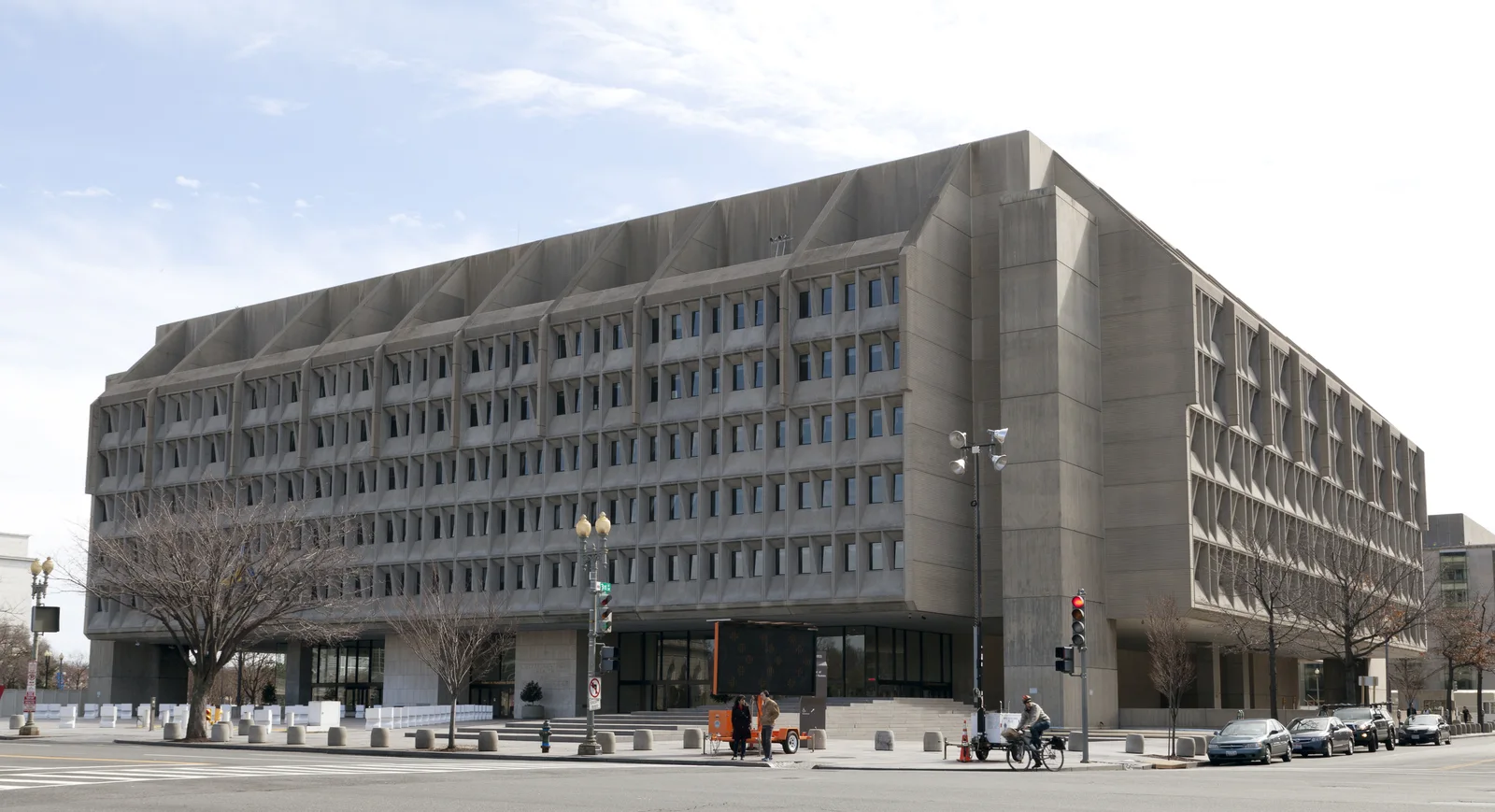
| Headquarters | Hubert H. Humphrey Building, Washington, D.C. |
| Current Secretary | Robert F. Kennedy Jr. |
| Annual Budget | ~$1.7 trillion (FY2025, incl. Medicare/Medicaid) |
| Employees | ~80,000 |
| Americans Covered by HHS Programs | 150 million+ |
| Succession Order | 11th in Cabinet order |
| Website | hhs.gov |
Did You Know?
HHS manages a budget larger than the entire national budget of nearly every other country in the world, driven almost entirely by Medicare and Medicaid spending.
The CDC is headquartered in Atlanta, Georgia, not Washington, D.C., one of the largest federal agencies not based in the capital.
HHS began in 1953 as the Department of Health, Education, and Welfare and split into two separate departments, Education and HHS, only in 1980.
The NIH funds research at more than 2,500 universities, medical schools, and other institutions across all 50 states, making it the largest public research funder in the world.
Medicare enrolled nearly 20 million Americans within its first year alone in 1966, one of the fastest program rollouts in federal government history.