
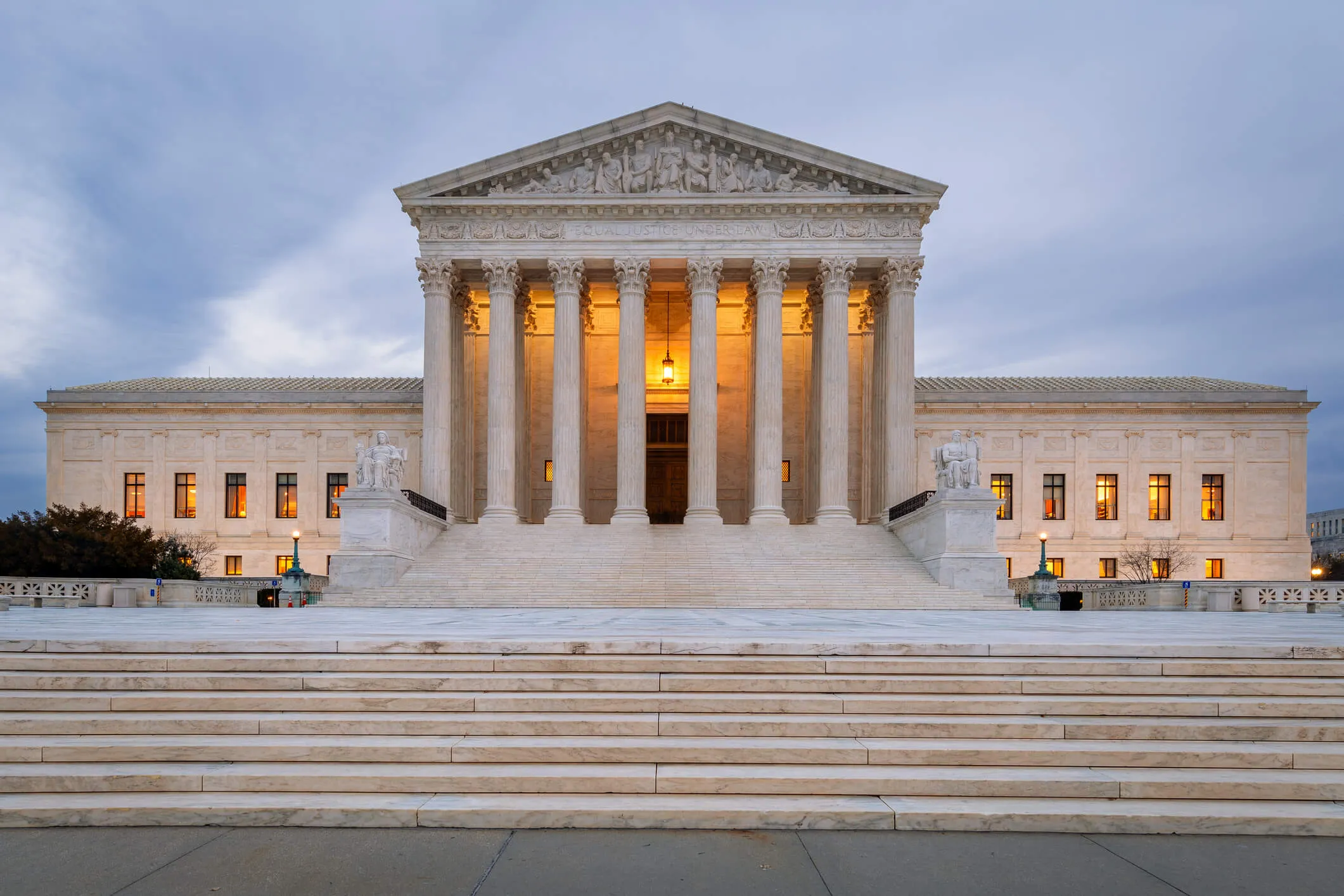
The Supreme Court
of the United States
Nine people. Lifetime jobs. The final word on what the Constitution means, and the most powerful court in the world.
What Is the Supreme Court?
The Supreme Court is the highest court in the United States, the final stop for any legal dispute in the country. When the Supreme Court rules, that's it. No appeal. No do-overs. Whatever the Court decides is the law of the land until either the Court reverses itself or the Constitution is amended.
Nine justices, one Chief Justice and eight Associate Justices, decide the most important legal questions facing the country. They serve for life. They are nominated by the president and confirmed by the Senate. And their rulings shape American society in ways that last for generations.
The Court sits at the top of a federal court system with about 870 authorized judgeships across 94 district courts and 13 courts of appeals, and it also stands above every state supreme court on questions of federal law. It receives roughly 4,000 requests for review a year in recent terms (down from 7,000 to 8,000 in the 2000s and 2010s) and agrees to decide only about 60 to 70 of them, so the cases it takes are, almost by definition, the hardest and most consequential in the country.
It has occupied its own marble building across from the Capitol only since 1935; before that it met in the Capitol itself, including a basement room. The Court has almost no way to enforce its own rulings, it commands no army and controls no budget, and relies on the other branches and on public acceptance to see its decisions carried out, which is why justices and scholars talk so often about the Court's "legitimacy."
The Court's Core Job
The Supreme Court interprets the Constitution. When Congress passes a law, or the president takes an action, or a state government does something, and someone believes it violates the Constitution, the courts decide. The Supreme Court has the final say. This power, called judicial review, is the foundation of the entire American legal system.
What the Constitution Says
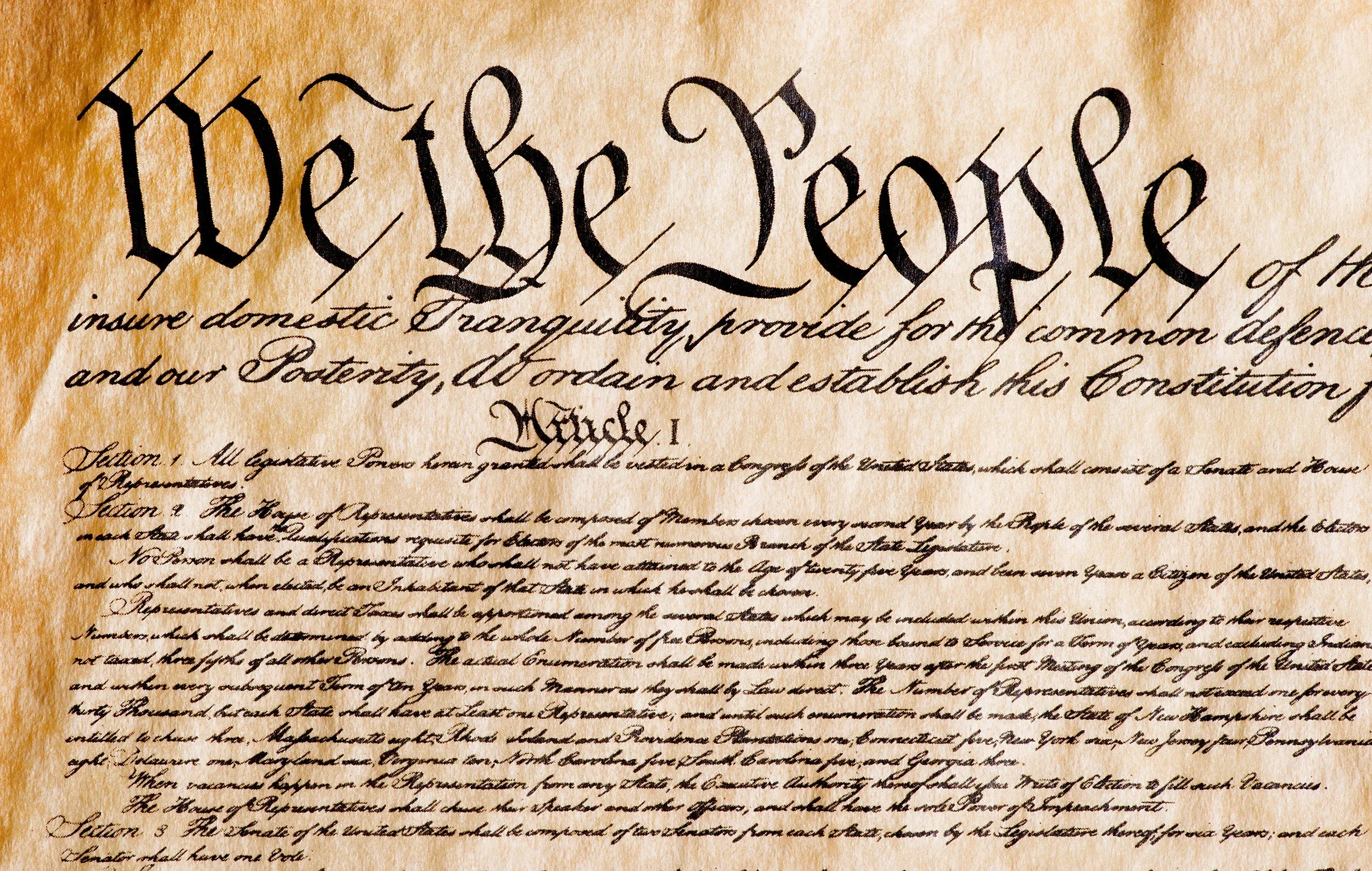
Article III, the slim constitutional basis for the federal judiciary (Public Domain)
Article III of the Constitution establishes the judicial branch, but it's surprisingly short and vague. It creates "one supreme Court" and whatever lower courts Congress decides to establish. It gives the Court jurisdiction over certain types of cases. And it says judges serve during "good behavior", which in practice means for life.
The Constitution says nothing about how many justices there should be. Nine is not a constitutional requirement, it's a number that has simply been the law since 1869. Congress sets the number of justices by statute, meaning Congress could theoretically change it.
The Court's most important power, judicial review, isn't even explicitly in the Constitution. The Court claimed it for itself in 1803 in Marbury v. Madison, and it has never been seriously challenged since.
Article III does spell out a narrow slice of "original jurisdiction," cases the Court hears first rather than on appeal, covering disputes between states and cases involving ambassadors; everything else reaches the Court on appeal. Congress created the rest of the federal courts in the Judiciary Act of 1789, passed by the very first Congress, and it has reorganized them many times since, which is why the size and shape of the judiciary is set by statute rather than the Constitution.
Article III, Section 1
"The judicial Power of the United States, shall be vested in one supreme Court, and in such inferior Courts as the Congress may from time to time ordain and establish. The Judges, both of the supreme and inferior Courts, shall hold their Offices during good Behaviour..."
Article III, Section 2
"The judicial Power shall extend to all Cases, in Law and Equity, arising under this Constitution, the Laws of the United States, and Treaties made... to Controversies to which the United States shall be a Party..."
In short: There is one Supreme Court. Congress can create lower courts. Judges serve for life (unless impeached). The Court handles cases involving the Constitution, federal law, and disputes between states or involving the US government.
Why Are There 9 Justices?
Nine is not in the Constitution. The Court started with six justices in 1789, went as low as five, climbed as high as ten, and settled at nine in 1869, where it has remained ever since. The number was driven by practical considerations: the early justices had to "ride circuit" and physically travel to hear cases across the country, so the number of justices was often tied to the number of federal judicial circuits.
FDR's "Court Packing" Attempt, 1937
After the Supreme Court struck down several of his New Deal programs, President Franklin Roosevelt proposed adding up to six additional justices, one for every sitting justice over age 70, to give himself a favorable majority. Congress rejected the plan overwhelmingly, calling it an attack on judicial independence. The proposal failed, but the Court began upholding New Deal legislation shortly after anyway, what historians call "the switch in time that saved nine." The incident remains the most dramatic modern attempt to change the Court's size and the benchmark by which "court packing" proposals are still measured today.
Today, any proposal to expand the number of justices, from either party, is almost immediately labeled "court packing" and faces significant political resistance. Nine has become the de facto constitutional number, even though nothing in the Constitution requires it.
Lifetime Tenure: Why Justices Serve Until They Die or Retire
Federal judges, including Supreme Court justices, serve during "good behavior," which has always meant for life. They can only be removed through impeachment by the House and conviction by the Senate. It has never successfully happened to a Supreme Court justice (though Associate Justice Samuel Chase was impeached in 1804 and acquitted).
The Case For Lifetime Tenure
- +Insulates justices from political pressure, they don't need to worry about re-election or reappointment
- +Allows them to make unpopular but constitutionally correct decisions without fear of removal
- +Attracts highly qualified candidates willing to give up lucrative legal careers
- +Creates stability and continuity in the law across decades
The Case Against Lifetime Tenure
- ,Justices can serve into mental or physical decline with no mechanism for removal
- ,One president's appointments can shape the Court for 30+ years after they leave office
- ,Creates intense battles over each nomination because the stakes are so permanent
- ,Turns retirement decisions into political strategy, justices time exits to favor their party
The stakes are enormous: The average Supreme Court justice now serves about 25-28 years. A president who appoints two justices in their first term could shape the Court for a quarter century after leaving office. This is why modern confirmation battles are so intense, each seat is a multi-decade investment in legal philosophy.
How Justices Are Appointed
A Supreme Court vacancy is one of the most consequential events in American politics. The process is straightforward on paper, but can be explosive in practice:
A Vacancy Opens
A justice dies, retires, or is impeached and removed. The timing of vacancies is often unpredictable, and politically explosive. Justices sometimes time their retirements to give the president they prefer the nomination.
President Nominates
The president selects a nominee, typically from the federal appellate courts, though there's no requirement for judicial experience. Presidents consult with advisers, senators, and advocacy groups before announcing. Background checks are extensive.
Senate Judiciary Committee Hearings
The nominee appears before the Senate Judiciary Committee for days of televised questioning. Senators ask about legal philosophy, past rulings, and hypothetical cases. Nominees typically answer in generalities to avoid pre-committing on future cases, a practice called the 'Ginsburg rule.'
Committee Vote
The committee votes on whether to recommend the nominee to the full Senate. A negative vote doesn't automatically kill the nomination, the full Senate can still vote.
Full Senate Vote
A simple majority (51 votes) is needed to confirm since Republicans eliminated the judicial filibuster in 2017. Before that, 60 votes were needed to overcome a filibuster. Confirmation votes are almost always along party lines in the modern era.
Sworn In
The confirmed justice takes two oaths: the Constitutional Oath and the Judicial Oath. They immediately take their seat and begin participating in the Court's work.
How the Court Actually Works
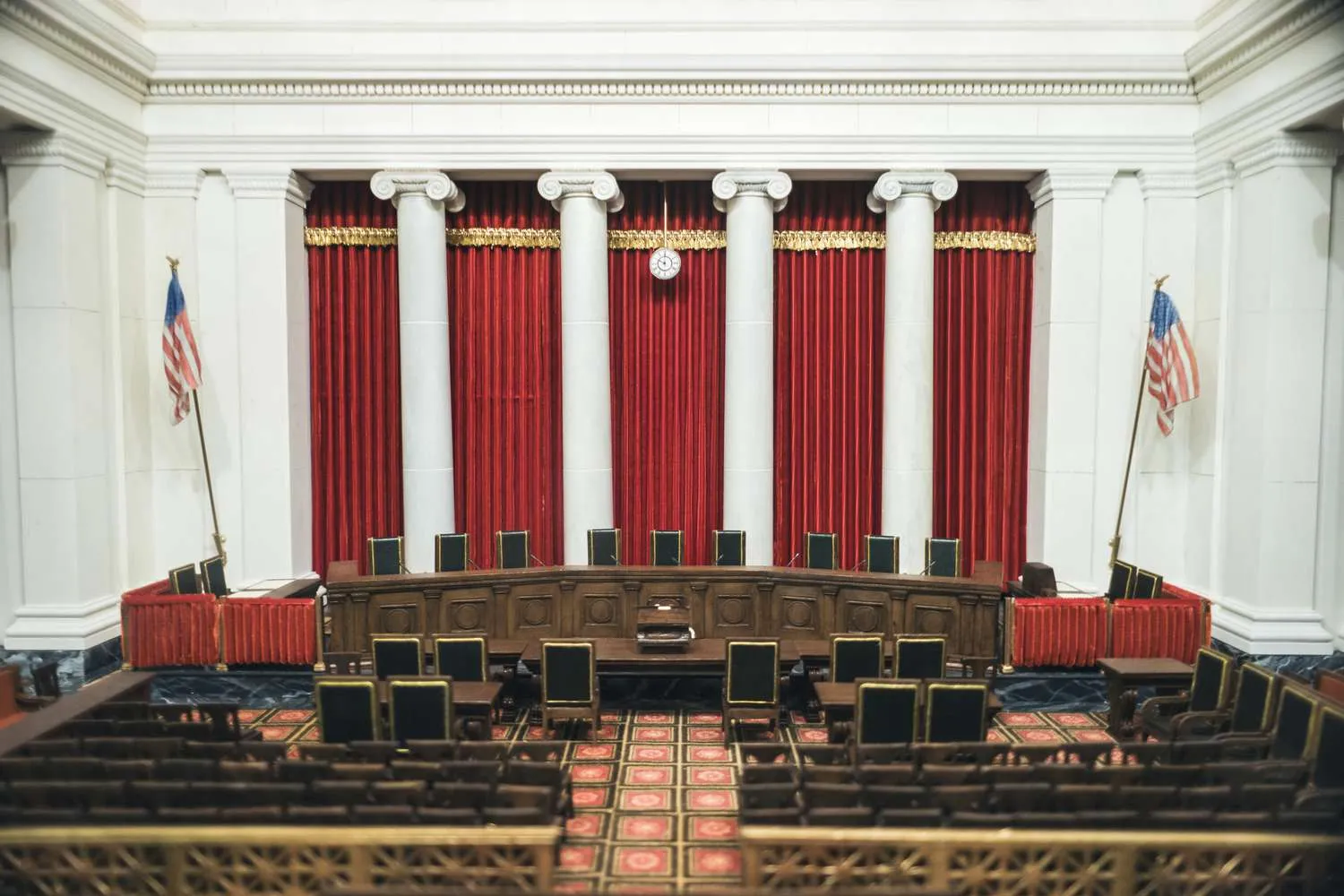
The Supreme Court courtroom, the most powerful courtroom in the world (Public Domain)
The Supreme Court operates on a structured annual cycle and uses very specific procedures to decide which cases to hear and how to rule on them:
The Term
The Supreme Court's term runs from the first Monday in October to late June or early July. During the term, justices hear oral arguments, hold private conferences, write opinions, and issue rulings. The summer recess is spent writing opinions and reviewing cert petitions for the next term.
How Cases Get to the Court, Certiorari
Almost all Supreme Court cases arrive through a 'petition for a writ of certiorari', a formal request asking the Court to review a lower court's decision. The Court receives roughly 4,000 petitions per year in recent terms (7,000 to 8,000 in the 2000s and 2010s) and accepts only about 60-80 cases. The justices vote privately on which cases to hear, 'the Rule of Four' means at least four justices must vote to grant cert.
Oral Arguments
Accepted cases get oral arguments, typically 30 minutes per side, though important cases sometimes get more. Attorneys make their case while justices pepper them with questions. The courtroom is open to the public on a first-come basis. There are no cameras allowed, no video has ever been broadcast from the Supreme Court chamber.
The Conference
After oral arguments, the nine justices meet in complete privacy, no clerks, no staff, to discuss and vote on the case. The Chief Justice speaks first, then justices in order of seniority. A majority vote decides the outcome. The most senior justice in the majority assigns who writes the opinion.
Writing Opinions
The assigned justice drafts the majority opinion, which becomes the law. Other justices can join the majority, write concurring opinions (agreeing with the result but for different reasons), or write dissenting opinions (disagreeing with the result). Opinions are circulated among justices who may revise their positions before the final decision is announced.
Types of Opinions
When the Court issues a decision, you often see references to majority opinions, concurrences, and dissents. Here's what each one means and why they matter:
Majority Opinion
This IS the lawWritten by one justice on behalf of at least five (a majority of nine). This is the binding legal ruling, it creates precedent that all lower courts must follow. Everything else is commentary.
Concurring Opinion
Agrees but for different reasonsA justice who agrees with the outcome but for different legal reasons writes a concurrence. Concurrences don't create binding precedent but can influence how future courts interpret the majority.
Dissenting Opinion
Disagrees with the rulingA justice who disagrees writes a dissent. Dissents have no legal force, but they matter. They can be powerful arguments that future Courts use to overturn the majority. Justice Harlan's Plessy dissent was vindicated 58 years later in Brown.
Plurality Opinion
Majority on outcome, not reasoningWhen a majority agrees on the outcome but can't agree on the reasoning, the opinion with the most justices is the plurality. It's binding on the specific case but creates weaker precedent than a true majority opinion.
Per Curiam
By the Court as a wholeAn unsigned opinion issued in the name of the Court collectively, not attributed to any individual justice. Often used for brief, relatively uncontroversial rulings or emergency orders.
Unanimous Decision
All 9 agreeWhen all nine justices agree on both the outcome and reasoning. Rare on major cases. Carries enormous moral and legal weight, Brown v. Board and United States v. Nixon were both unanimous, which gave them undeniable legitimacy.
The Current Court, 2025
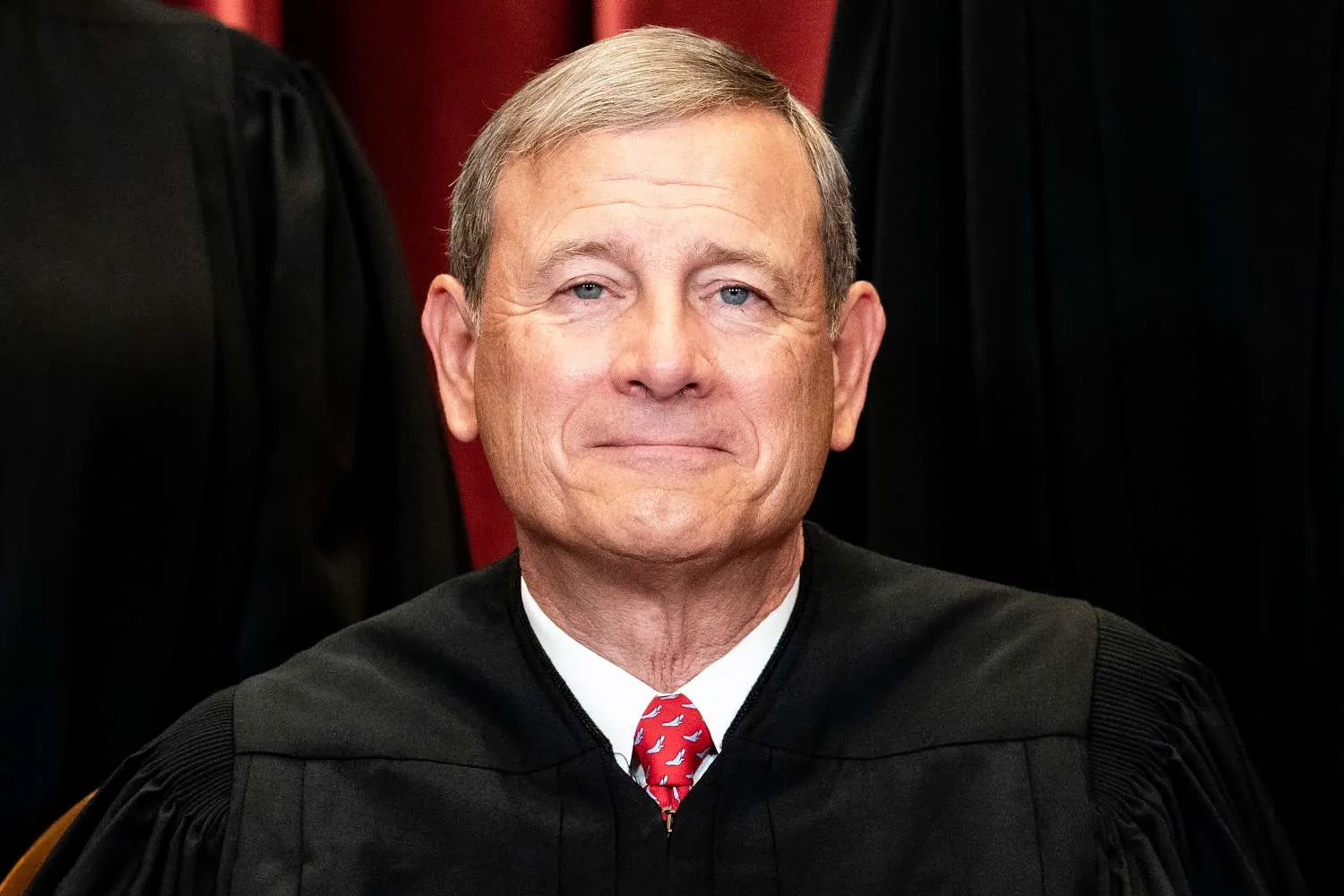
Chief Justice
John G. Roberts Jr.
Appointed by: George W. Bush
Year confirmed: 2005
Born: 1955, MD
17th Chief Justice. Strong record on limiting campaign finance regulation and voting rights laws. Critics say he has used procedural minimalism to achieve conservative outcomes while maintaining an appearance of neutrality. Supporters credit him with protecting the Court's institutional reputation.
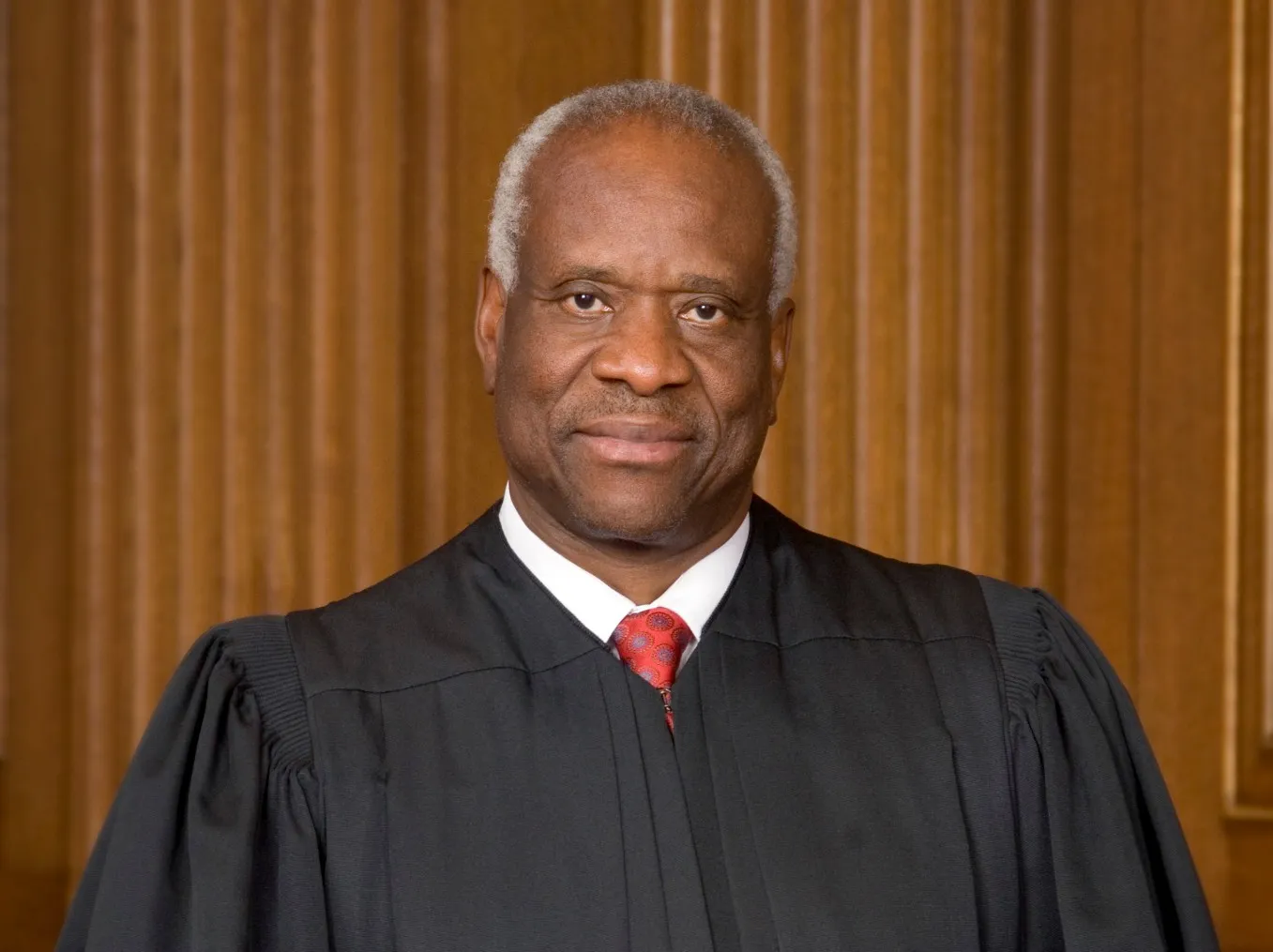
Clarence Thomas
Appointed by: George H.W. Bush
Year confirmed: 1991
Born: 1948, GA
Longest-serving current justice. Strict originalist who often argues for overturning broad precedents. Has faced scrutiny over undisclosed gifts and travel from wealthy donors. Supporters argue he is the most intellectually consistent justice on the Court.
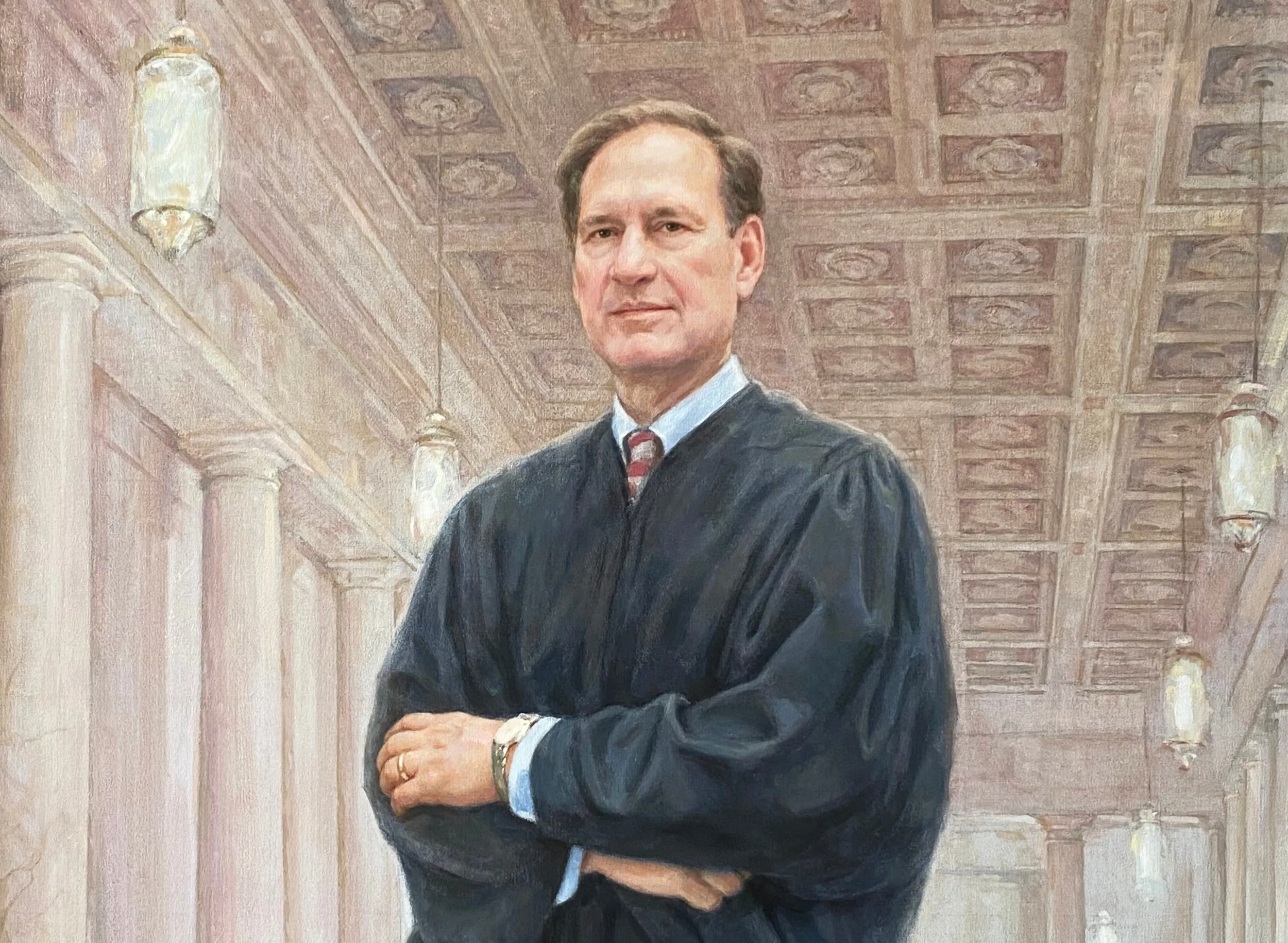
Samuel A. Alito Jr.
Appointed by: George W. Bush
Year confirmed: 2006
Born: 1950, NJ
Authored the Dobbs majority opinion overturning Roe v. Wade. Has faced criticism over public comments seen as politically partisan for a sitting justice. Supporters view him as one of the Court's most rigorous legal thinkers.
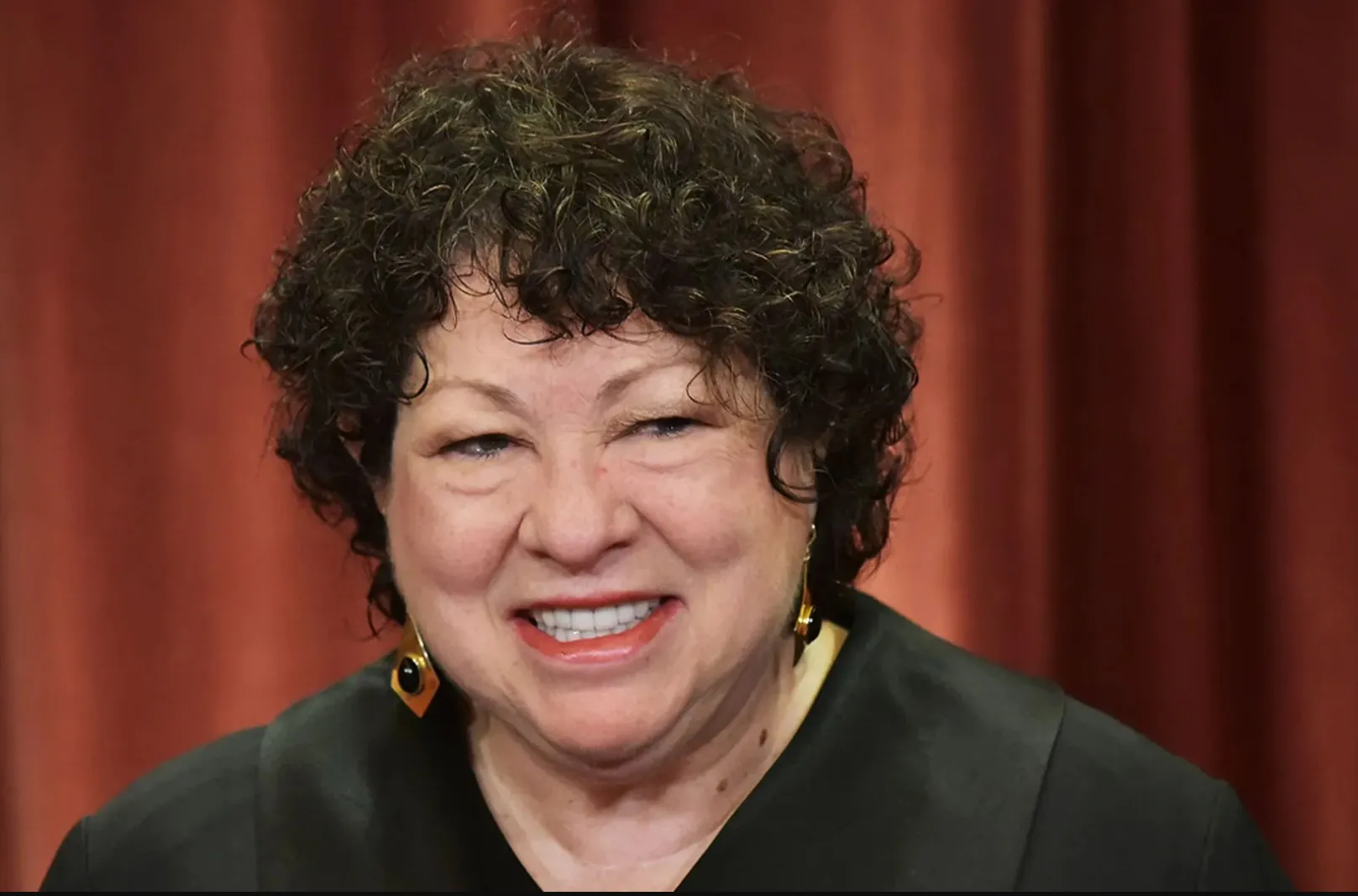
Sonia Sotomayor
Appointed by: Barack Obama
Year confirmed: 2009
Born: 1954, NY
First Hispanic Justice. Critics have questioned whether her stated belief that a 'wise Latina' judge would reach better conclusions than a white male reflects impartiality. Supporters point to her extensive federal court experience and frequent, pointed dissents as a strong liberal voice.
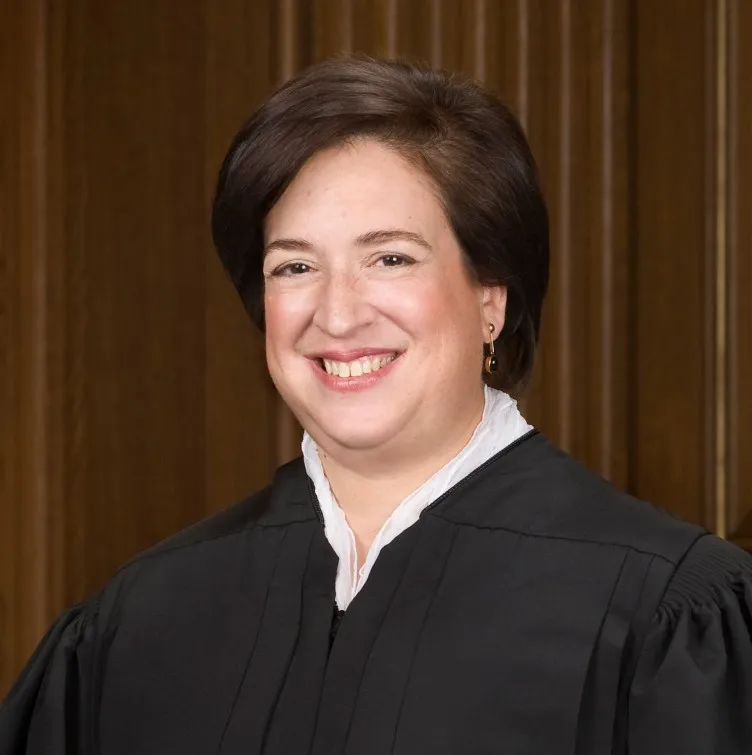
Elena Kagan
Appointed by: Barack Obama
Year confirmed: 2010
Born: 1960, MA
Former Dean of Harvard Law School. Critics note she had no prior judicial experience before joining the Court, which is unusual. She has also faced questions over her participation in cases related to the Affordable Care Act. Supporters praise her clear writing and ability to find common ground.
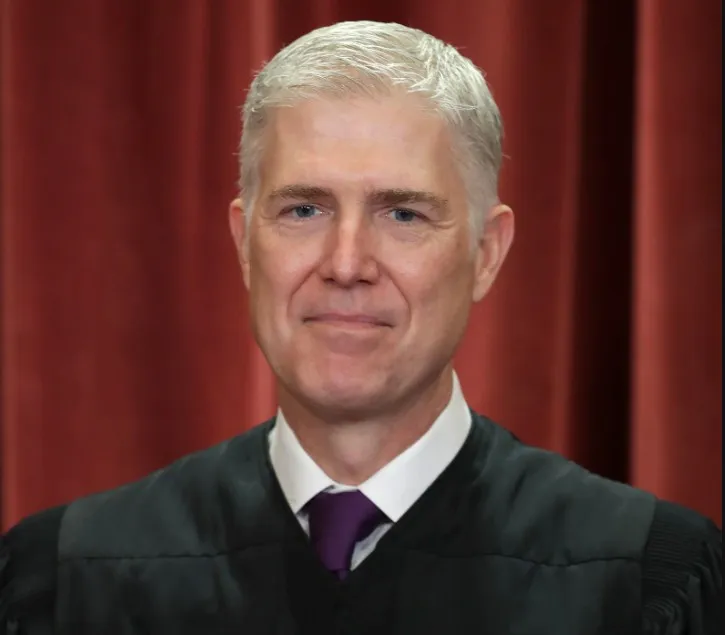
Neil M. Gorsuch
Appointed by: Donald Trump
Year confirmed: 2017
Born: 1967, CO
Filled the seat held open for nearly a year after Republicans blocked Merrick Garland's hearing. Textualist who has occasionally sided with liberals on Native American rights and LGBTQ+ employment cases. Critics argue his seat was obtained through an unprecedented obstruction of the confirmation process.
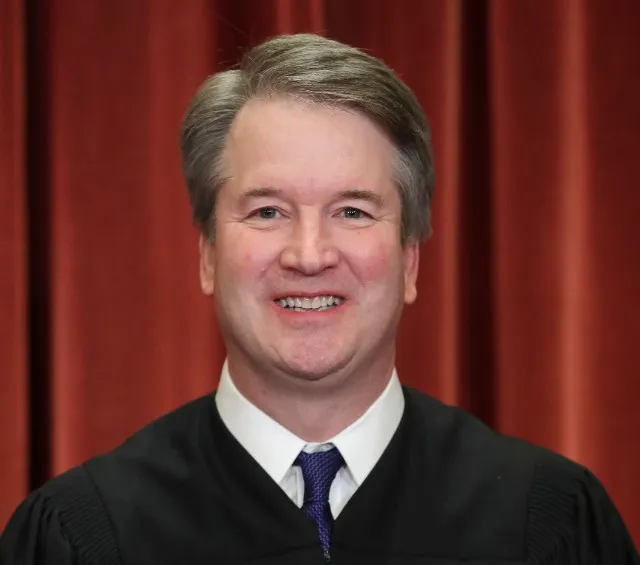
Brett M. Kavanaugh
Appointed by: Donald Trump
Year confirmed: 2018
Born: 1965, MD
Confirmed after allegations of sexual misconduct led to one of the most divisive hearings in Senate history. He denied the allegations. Critics questioned the limited scope of the FBI investigation. Supporters argue his judicial record reflects careful, moderate conservatism.
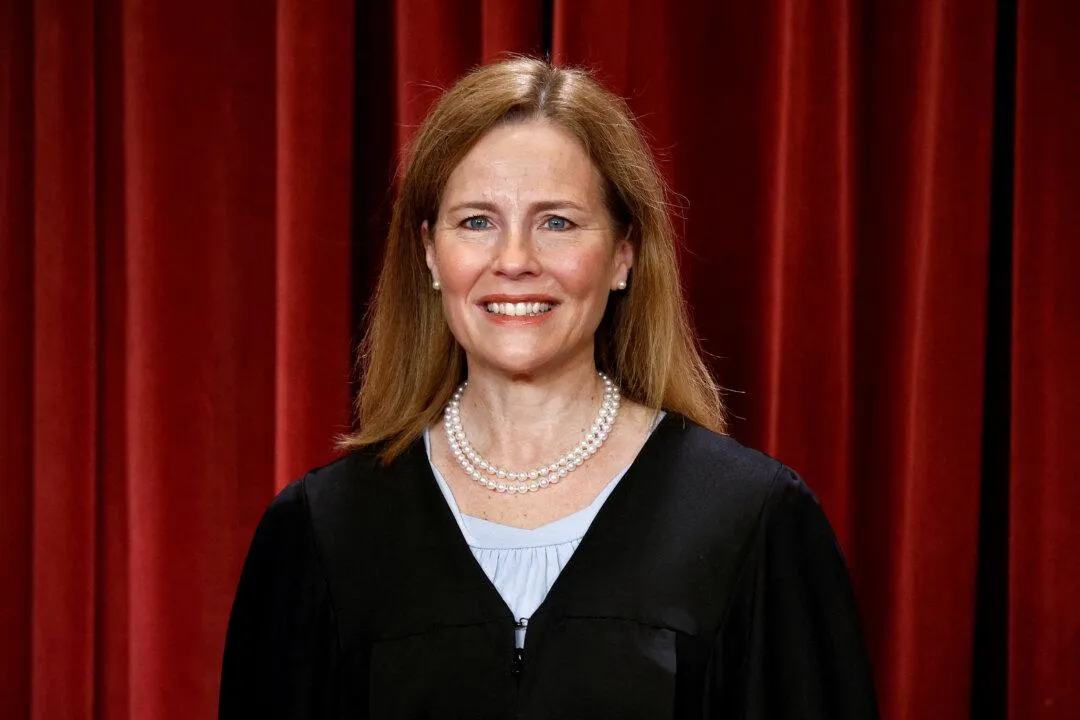
Amy Coney Barrett
Appointed by: Donald Trump
Year confirmed: 2020
Born: 1972, IN
Confirmed 8 days before the 2020 election, drawing criticism from Democrats who argued the seat should wait, the same standard Republicans used to block Merrick Garland in 2016. Supporters note her strong academic credentials and methodical originalist approach.
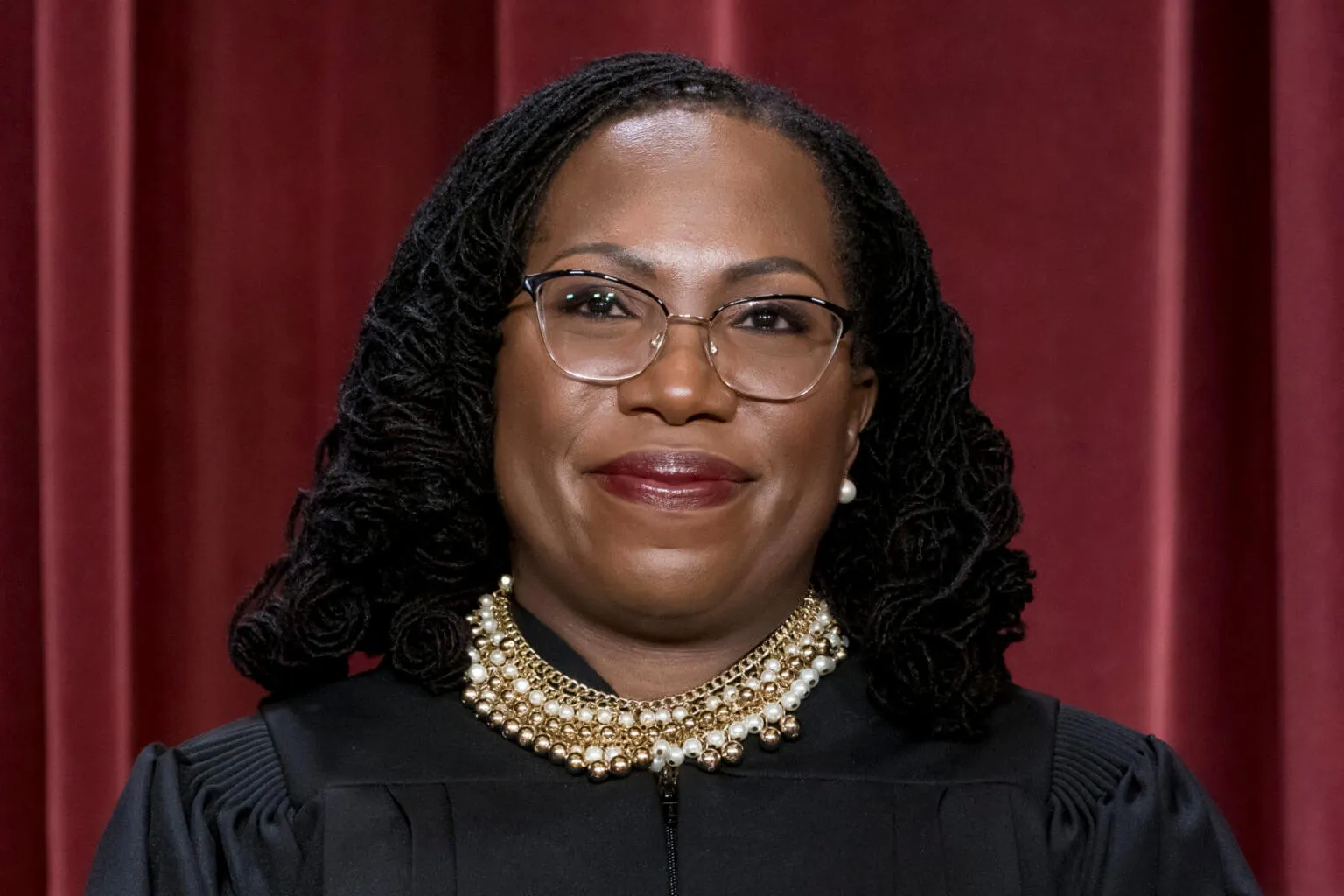
Ketanji Brown Jackson
Appointed by: Joe Biden
Year confirmed: 2022
Born: 1970, DC
First Black woman Justice. Critics questioned her sentencing record in child exploitation cases during confirmation hearings. Supporters called those criticisms misleading and noted her extensive experience as a public defender, federal trial judge, and appellate judge.
Landmark Cases That Changed America
Click any case to read the full story and impact.
The Ruling
Chief Justice John Marshall established the principle of judicial review, giving the Supreme Court the power to strike down laws that violate the Constitution. The Constitution never explicitly gave the Court this power; Marshall claimed it through careful legal reasoning. It remains the single most important Supreme Court decision ever issued.
The Impact
Created the foundation for all of modern constitutional law. Without Marbury, the Supreme Court would have no power to check Congress or the president. Every constitutional ruling since, from civil rights to abortion to free speech, traces its authority back to this case.
The Ruling
The Court ruled that enslaved people were not citizens of the United States and had no right to sue in federal court. It also ruled that Congress had no authority to ban slavery in US territories. Chief Justice Taney wrote the majority opinion.
The Impact
Widely considered the worst Supreme Court decision in history. It helped trigger the Civil War, was overturned by the 14th Amendment (1868), and stands as a permanent reminder that the Court can be catastrophically wrong. Former Chief Justice Charles Evans Hughes called it a 'self-inflicted wound' on the Court's reputation.
The Ruling
The Court upheld Louisiana's Separate Car Act, establishing the doctrine of 'separate but equal', ruling that racial segregation was constitutional as long as the separate facilities were equal in quality. Justice John Marshall Harlan was the sole dissenter, predicting the decision would become as infamous as Dred Scott.
The Impact
Legalized racial segregation across the South for 58 years. The lone dissenter, Harlan, was completely right. The decision was finally overturned by Brown v. Board of Education in 1954.
The Ruling
A unanimous Court ruled that racial segregation in public schools was unconstitutional, directly overturning Plessy v. Ferguson. Chief Justice Earl Warren worked for months to achieve unanimity, believing a divided ruling would be seen as less legitimate. 'Separate educational facilities are inherently unequal,' the Court held.
The Impact
One of the most consequential rulings in American history. It launched the civil rights movement, ended the legal fiction of 'separate but equal,' and began the dismantling of Jim Crow laws across the South. Schools weren't actually desegregated overnight, but the legal framework for segregation had been destroyed.
The Ruling
The Court ruled that criminal suspects must be informed of their constitutional rights before police interrogation, the right to remain silent, the right to an attorney, and the warning that anything said can be used in court. This is where 'you have the right to remain silent' comes from.
The Impact
Changed law enforcement practices across the country permanently. 'Miranda warnings' are now required by every police officer in every jurisdiction before a custodial interrogation. If police fail to give them, any statements made are inadmissible in court.
The Ruling
The Court unanimously ruled that President Nixon had to turn over the Watergate tapes to the special prosecutor, rejecting Nixon's claim of absolute executive privilege. Nixon complied, the tapes revealed his direct involvement in the cover-up, and he resigned 16 days later.
The Impact
Established that no president is above the law, not even when claiming executive privilege. The decision directly ended the Nixon presidency and remains the definitive ruling on the limits of presidential power.
The Ruling
The Court stopped the Florida recount in the disputed 2000 presidential election, effectively handing the presidency to George W. Bush. The majority ruled that Florida's inconsistent recount standards violated the Equal Protection Clause. The ruling was highly controversial, with the majority opinion stating it should not be used as precedent.
The Impact
Settled the most contested election in modern history and demonstrated the Court's enormous political power. The decision is still debated by legal scholars, critics call it a nakedly political ruling with reasoning the Court itself admitted was one-time only.
The Ruling
The Court ruled that same-sex couples have a constitutional right to marry under the 14th Amendment's Due Process and Equal Protection Clauses. Justice Kennedy wrote the majority opinion, which concluded with the line: 'Their hope is not to be condemned to live in loneliness.'
The Impact
Legalized same-sex marriage in all 50 states. The ruling ended years of state-by-state legal battles and represented one of the most significant expansions of civil rights in a generation.
The Ruling
The Court overturned Roe v. Wade (1973) and Planned Parenthood v. Casey (1992), ruling that the Constitution does not confer a right to abortion and returning the question entirely to individual states. Justice Alito wrote the majority opinion. Three justices dissented sharply.
The Impact
Triggered immediate abortion bans in roughly half the states. One of the most dramatic examples of the Court reversing itself on a major precedent in modern history. Sparked intense national debate about the Court's legitimacy, the confirmation process, and the stability of constitutional rights.
The Ruling
The Court ruled that former presidents have substantial immunity from criminal prosecution for official acts taken while in office. The majority held that a president's core constitutional powers are absolutely immune, while other official acts receive presumptive immunity that prosecutors must rebut.
The Impact
A major expansion of presidential power with far-reaching implications. The ruling was handed down during an active criminal prosecution of former President Trump and effectively delayed those proceedings. Critics argued it placed presidents above the rule of law; supporters said it was necessary to protect presidential decision-making.
Chief Justice of the United States
John G. Roberts Jr.
17th Chief Justice of the United States
Known for his institutionalist approach and concern for the Court's legitimacy. Has often served as a swing vote, occasionally siding with liberal justices to protect precedent or avoid sweeping rulings.
Quick Facts
Where to Find It
Did You Know?
No cameras, ever
The Supreme Court has never allowed cameras in the courtroom for oral arguments or decision announcements. You can listen to audio recordings released after arguments, but no video has ever been broadcast from inside the chamber. The Court has resisted cameras for decades despite congressional pressure.
Justices sit by seniority
At the bench, the Chief Justice sits in the center. The most senior Associate Justice sits to the Chief's immediate right, the second most senior to the left, alternating outward. The most recently confirmed justice sits at the far ends.
The building itself was an afterthought
For most of American history, the Supreme Court had no building of its own. It met in the Capitol, in taverns, and in private homes. The current Supreme Court building was only completed in 1935, 146 years after the Court was founded. Justice Harlan Fiske Stone reportedly said the new building was 'almost bombastically pretentious.'
Ruth Bader Ginsburg and Antonin Scalia were best friends
Despite being on completely opposite ends of the ideological spectrum, Ginsburg the liberal icon, Scalia the conservative giant, the two were close personal friends who traveled together, attended opera together, and celebrated New Year's Eve together. Their friendship became famous as proof that ideological opponents can maintain genuine human connections.