
The U.S. Government

Because democracy only works when we understand it

Menu
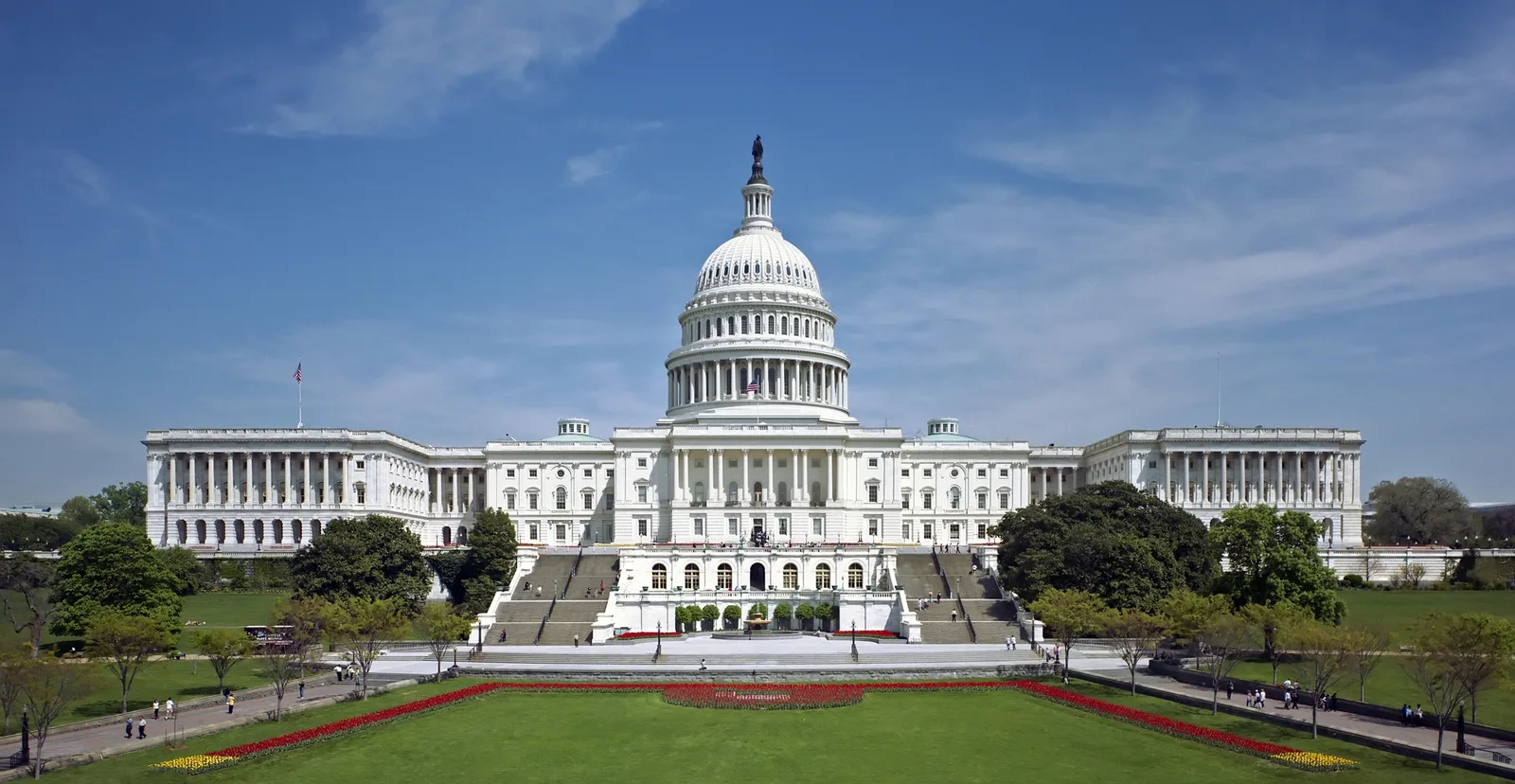
The west front of the U.S. Capitol in Washington, D.C., under a blue sky
Civics

How to Contact Your Elected Officials

Your representatives work for you. Here is who to contact, the fastest way to reach them, how to ask for a meeting, and how to make your point respectfully, whatever your view.

Phone, mail, and onlineSample letters and scripts

Why It Is Worth Doing

Every member of Congress, governor, and state lawmaker has staff whose job is to read, log, and answer what the public sends. When a bill is in play, offices count the calls and messages on each side and report the totals to the official. The House of Representatives and the Senate together receive millions of messages a year, and most offices try to answer every constituent who includes a mailing address.

Who you are matters more than how loudly you say it. Offices give the most weight to people who live in the district or state they represent, so always include your street address or at least your city and ZIP code. A short message in your own words from a constituent counts for more than a stack of identical form letters.

Contact also works between elections, not just during a heated vote. In surveys of congressional staff by the nonpartisan Congressional Management Foundation, 94 percent said an in-person visit from constituents would have some or a lot of influence on an undecided lawmaker, more than any other tactic the survey measured. Offices also handle thousands of requests for help with federal agencies every year, and that help is free.

Respect is what gets you heard. Staff answer phones all day for people on every side of every issue, and a calm, specific message is far more likely to be passed along than an angry one. This guide covers who handles what, each way to reach an office, how to request a meeting, and templates you can copy. For your own state's officials, open your state page and the State Government tab, where every card now lists a phone number, a mailing address, and a link to the office's contact form.

Who Handles What

Contacting the right office saves time. A city pothole will not get fixed by the White House, and a Social Security problem is best handled by your member of Congress.

Ways to Reach an Office

Each method has its strengths. Calls are counted fastest, written messages leave a record, and meetings make the strongest impression.

How to Make Your Point Respectfully

These habits work for any official and any position, whether you agree with them or not.

  1. Say you are a constituent first. Give your name, town, and ZIP code at the start so staff can log your message.
  2. Stick to one issue per message. If you care about two bills, send two messages.
  3. Name the bill or decision. A bill number (such as H.R. 1234 or S. 567) or the exact name of a program removes any guesswork.
  4. Tell them what you want them to do: vote yes, vote no, cosponsor, ask a question at a hearing, or look into a problem.
  5. Add a short personal story. One or two sentences on how the issue affects you, your family, or your work is what staff remember.
  6. Disagree with the position, not the person. Skip insults, name-calling, and all capital letters; they make it easy to dismiss an otherwise good point.
  7. Never threaten anyone. Threatening a member of Congress or other federal official is a federal crime (18 U.S.C. 115), and so is threatening the President (18 U.S.C. 871).
  8. Keep it short. A letter of one page, an email of a few paragraphs, or a phone call of under two minutes is plenty.
  9. Say thank you when they do something you asked for. Offices hear far more complaints than thanks, and it is remembered.
  10. Be patient. A written reply can take several weeks, especially during busy legislative periods.

Templates You Can Copy

Copy a template, replace everything in [square brackets] with your own details, and delete any line that does not apply. Send it through the official's contact form, by email where one is listed, or print and mail it. The phone script works for any office.

Letter or email about a bill

Ask your senator, representative, governor, or state lawmaker to vote for or against a specific bill.

Dear [Senator / Representative / Governor] [Last Name],

My name is [Your Name], and I live in [City, State ZIP]. I am writing as your constituent to ask you to [support / oppose] [bill number and name, for example H.R. 1234, the Example Act].

[One or two sentences on why this matters to you. For example: As a [teacher / veteran / small business owner / parent], I have seen how this issue affects my community.]

I respectfully ask that you [vote yes / vote no / cosponsor this bill]. I understand that people in our [district / state] hold a range of views on this issue, and I appreciate you taking mine into account.

Thank you for your time and for your service.

Sincerely,
[Your Name]
[Street Address]
[City, State ZIP]
[Email or phone number, optional]

Phone script

Read this when you call any office. The person who answers will log your call.

Hello, my name is [Your Name], and I am a constituent from [City, ZIP code].

I am calling about [bill number or issue]. I would like [Senator / Representative / Governor] [Last Name] to [support / oppose / take action on] it, because [one short reason].

[If you want a reply:] Could I please get a written response? My mailing address is [Street Address, City, State ZIP].

Thank you for taking my call, and have a good day.

Meeting request

Paste this into the official's meeting request form or email it to the scheduler.

Dear [Senator / Representative] [Last Name],

My name is [Your Name], and I am a constituent from [City, State ZIP]. I would like to request a meeting with you or the member of your staff who handles [issue].

I would like to discuss [bill number or issue] and share how it affects [me / my family / my business / my community]. [Number] people would attend: [names, and any group you represent].

We are available [dates and times], and we would be glad to meet at your [Washington / district or state] office or by video. We will keep the meeting to about 20 minutes.

Thank you for considering this request. You can reach me at [phone number] or [email].

Respectfully,
[Your Name]
[Street Address]
[City, State ZIP]

Help with a federal agency

Send this to your representative's or senator's district or state office, along with their privacy release form.

Dear [Senator / Representative] [Last Name],

My name is [Your Name], and I live in [City, State ZIP]. I am asking for your office's help with a problem involving [agency, for example the Social Security Administration].

On [date], I [applied for / requested / filed] [benefit, refund, passport, or other matter]. My case or reference number is [number]. Since then, [briefly describe what has happened, the dates you contacted the agency, and the response you received].

I would be grateful if a caseworker could look into the status of my case. I have attached your office's signed privacy release form and copies of [letters or documents].

Thank you for your help. You can reach me at [phone number] or [email].

Sincerely,
[Your Name]
[Street Address]
[City, State ZIP]

Respectful disagreement

Use this when you disagree with a vote or statement and want your view on the record.

Dear [Senator / Representative / Governor] [Last Name],

My name is [Your Name], and I am your constituent in [City, State ZIP].

I am writing about your [vote on / statement about] [bill or issue] on [date]. I respectfully disagree, because [one or two sentences explaining your reasons, ideally with how it affects you].

I know you weigh many views from across our [district / state], and I appreciate the difficulty of these decisions. I hope you will consider mine as this issue moves forward, and I would welcome a reply explaining your position.

Thank you for your time and for your service.

Sincerely,
[Your Name]
[Street Address]
[City, State ZIP]

Thank-you note

Thank an official for a vote, a meeting, or help with a case. Offices hear far more complaints than thanks.

Dear [Senator / Representative / Governor] [Last Name],

My name is [Your Name], and I live in [City, State ZIP]. I want to thank you for [your vote on / your work on / your office's help with] [bill, issue, or case].

[One sentence on what it means to you. For example: Because of your office's help, my [benefit / passport / refund] arrived in time.]

I appreciate your service to our [district / state].

With thanks,
[Your Name]
[Street Address]
[City, State ZIP]

Key Federal Contacts

These offices serve the whole country. For your governor, senators, U.S. representative, statewide officials, and state legislature, use your state page.

The President and Vice President

Any member of Congress

The Capitol switchboard connects you to any senator's or representative's Washington office. Ask for the member by name.

The Supreme Court

The Court decides cases only through its formal process, so letters about a pending case are not considered. The main line handles general questions and visitor information.

Find Your State's Officials

Each state page has the governor, statewide officials, both U.S. senators, every U.S. representative, and a link to the state legislature, each with a phone number and mailing address. Open the State Government tab.

Frequently Asked Questions

Last updated: