
The Papacy (Holy See)
Vatican City
~1,900+
years
Longest continuously operating sovereign institution in recorded history.

The U.S. Government
Because democracy only works when we understand it
Some governments have lasted centuries, even millennia. A look at which nations and institutions have stood the test of time, and what made them last.
It's a surprisingly tricky question. Governments change their constitutions, get conquered, shift from monarchies to republics, gain or lose territory, and evolve over time. So historians look at a few different measures: the institution (has it ever been abolished?), the constitution (has the founding document ever been replaced?), and sovereignty (has the country ever lost independence?).
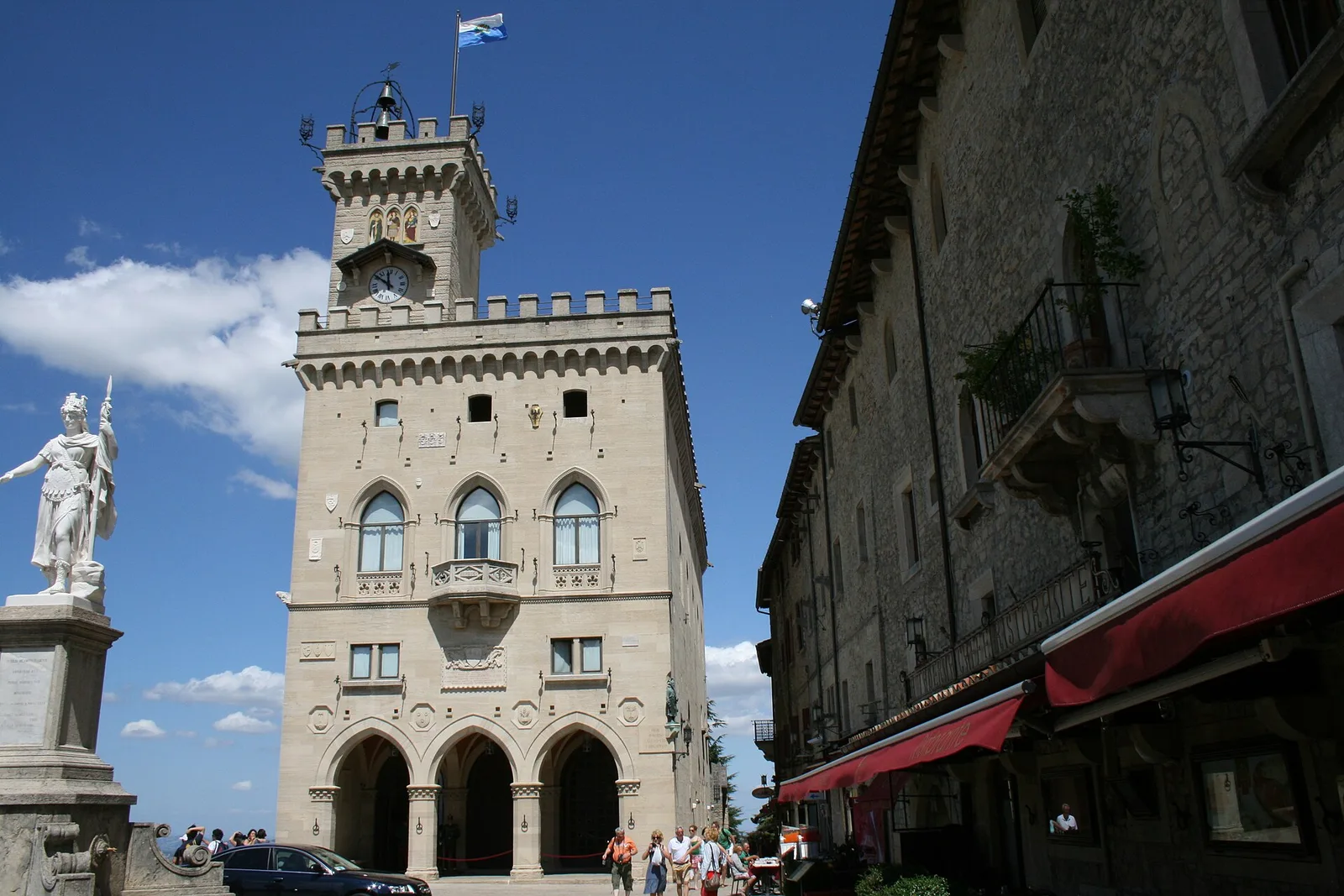
Those measures rarely point at the same answer. The Papacy wins on institutional continuity but has changed from a territorial power ruling much of Italy to a city-state of a few hundred residents. Japan's monarchy is the longest by dynasty, yet the emperor held little real power for most of that span. San Marino has the oldest continuous republic, and the United States the oldest written constitution still in force, two very different claims.
Dates themselves are contested. Founding years like Japan's 660 BC or San Marino's 301 AD come from tradition rather than records, and historians often accept a later, documented date instead. The bar chart below uses conservative figures, and even those are approximations.
The governments profiled here are the strongest contenders under each measure, each with an honest note on what the claim means and where the caveats lie. None of them has run unchanged; the point is that the thread was never fully cut.
* Bar lengths are approximate, exact founding dates are debated by historians.
Vatican City
~1,900+
years
Longest continuously operating sovereign institution in recorded history.
Republic of San Marino
~1,700+
years
The world's oldest republic with a written constitution, and one of the only countries never conquered in its recorded history.
Japan
~1,400–2,600+
years
The world's oldest continuously ruling royal dynasty by any credible historical measure.
Kingdom of Denmark
~1,060+
years
One of the oldest continuously ruled kingdoms in European history.
United Kingdom
~730–810+
years
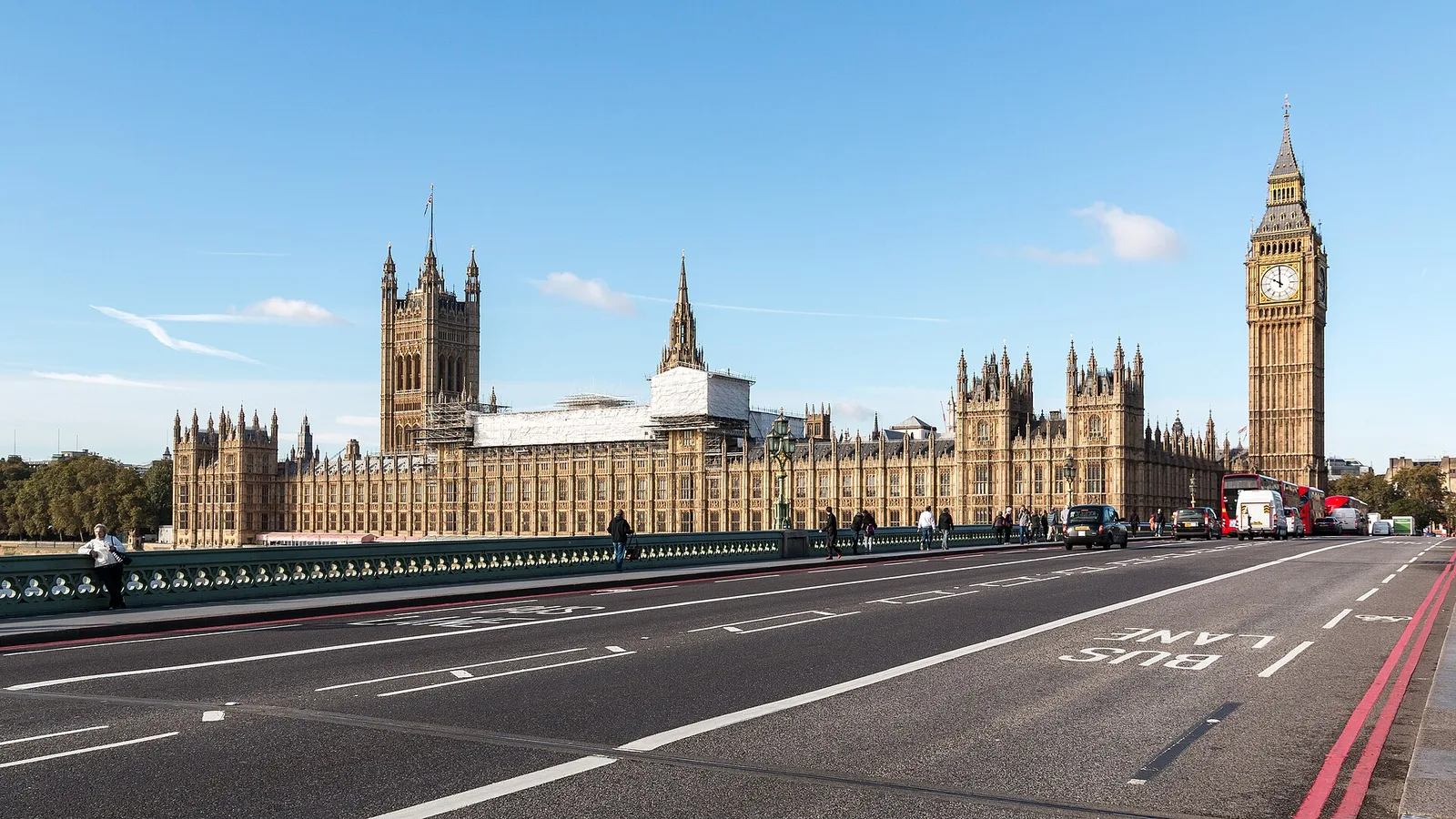
The Mother of Parliaments, the legislative model that influenced democratic governments worldwide.
Switzerland
~730+
years
The oldest continuously functioning federal state and one of the world's oldest democracies.
United States of America
~237
years
Home of the world's oldest written national constitution still in active use, 237 years and counting.

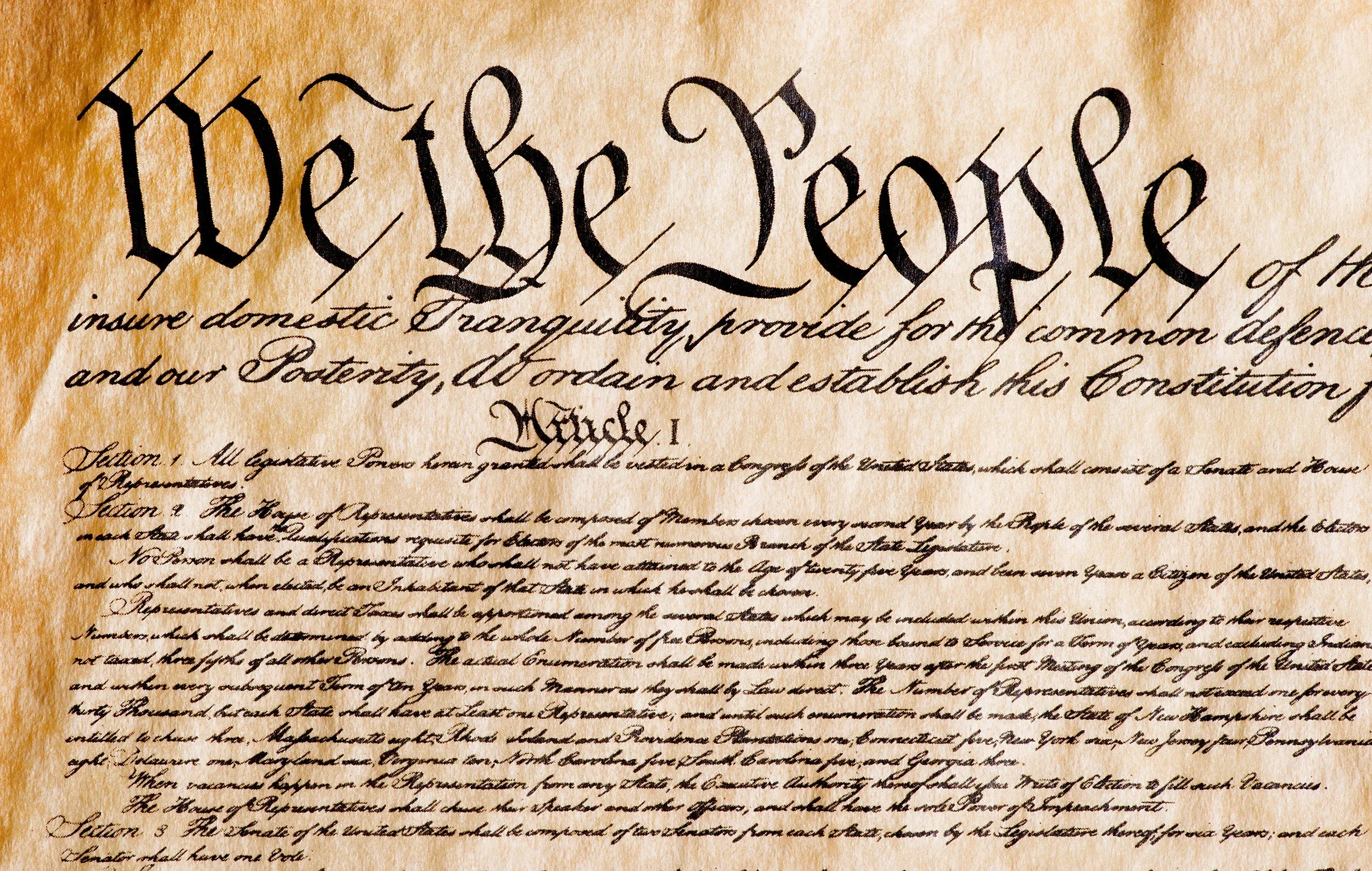
The United States is not the longest-running government, but it does hold one of history's most remarkable records: the world's oldest written national constitution still in active, uninterrupted use.
At 237 years old, the U.S. Constitution has outlasted empires, revolutions, and the fall of dozens of governments that once seemed permanent. Comparative studies find the average national constitution is replaced roughly every two decades. The American one has endured, amended 27 times but never replaced.
That endurance was engineered. Article V makes amendment deliberately hard, requiring two-thirds of both houses of Congress and three-fourths of the states, so the document changes slowly and only with broad agreement. It has also survived stress that ended other systems: a civil war, a contested election settled by commission in 1877, and a presidential resignation in 1974.
San Marino may be older. Japan's imperial dynasty may be longer. But no democracy has kept the same foundational document running, without interruption, for as long as the United States has.
Oldest republic
San Marino
Founded 301 AD
Oldest monarchy
Japan
~1,400+ years documented
Oldest institution
The Papacy
~1,900+ years
Oldest federal democracy
Switzerland
Federal state since 1848
Oldest written constitution
United States
In use since 1789
Most amendments
India
100+ amendments since 1950
Founding dates for the oldest institutions on this page are debated among historians; the figures shown favor documented rather than legendary dates. Details are drawn from Encyclopaedia Britannica, the CIA World Factbook, the National Constitution Center, the Comparative Constitutions Project, and the official institutions named in each profile.