Jarvis Island JQ
A remote, uninhabited coral island in the South Pacific Ocean, managed as a National Wildlife Refuge and one of the least-visited places under the American flag.
About Jarvis Island
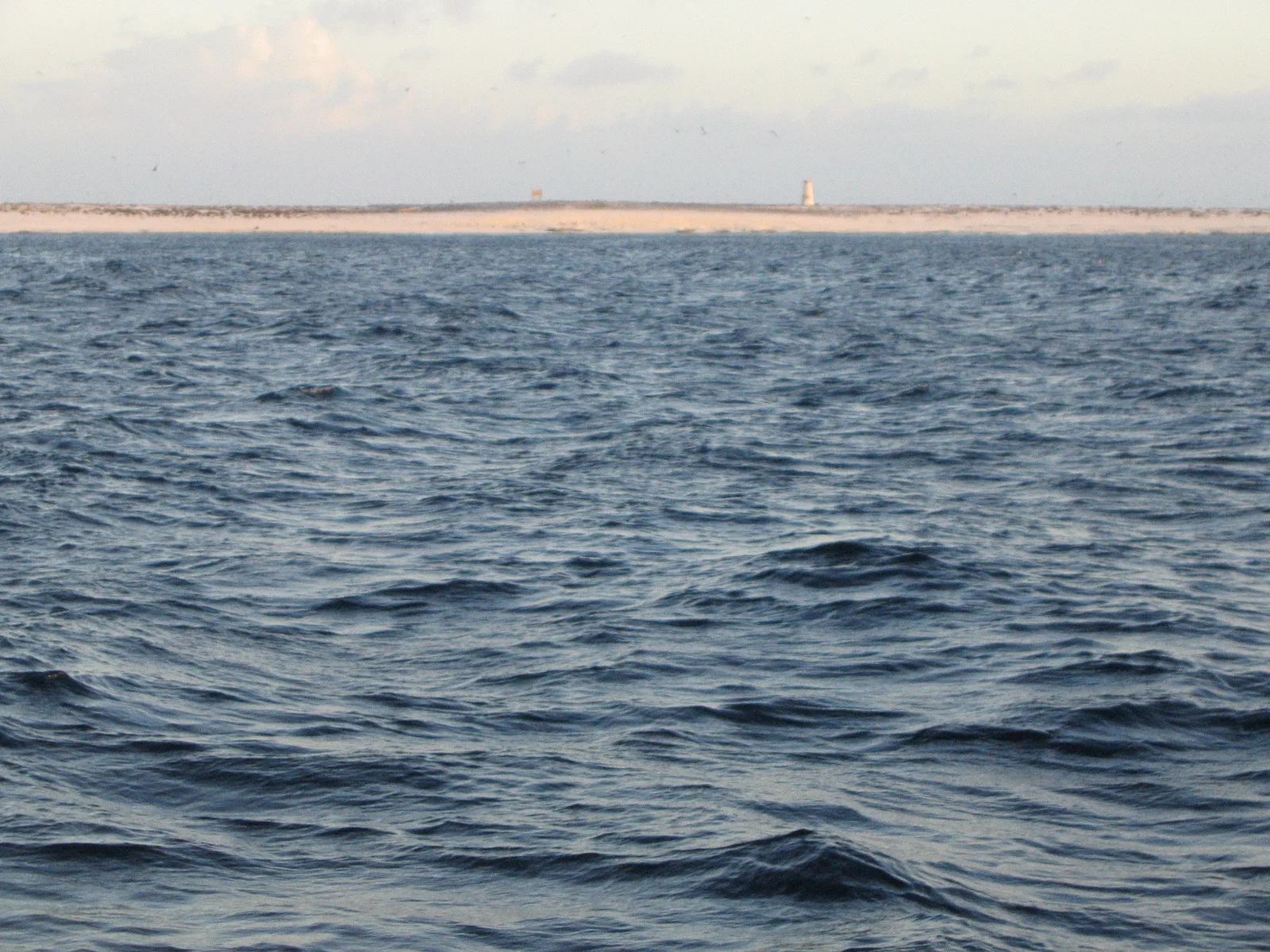
Jarvis Island is a small, flat coral island in the South Pacific Ocean, located just south of the equator roughly halfway between Hawaii and the Cook Islands. About 1.75 square miles in size, the island is a barren landscape of coral rubble, sparse grasses, and low shrubs baking under an equatorial sun. No humans have lived here permanently since 1942.
Jarvis holds the distinction of being the only U.S. minor outlying island in the Southern Hemisphere. It has also been claimed by two nations: Great Britain annexed it in 1889, but the United States reoccupied it in 1935 and has administered it ever since. Like its neighbors Baker and Howland, it was mined for guano in the 19th century and briefly colonized in the 1930s before being abandoned during World War II.
Today Jarvis is a federally protected wildlife refuge surrounded by some of the most pristine reef waters in the Pacific. Marine scientists regard it as a reference ecosystem for what unfished tropical reefs look like, making it valuable far beyond its size.
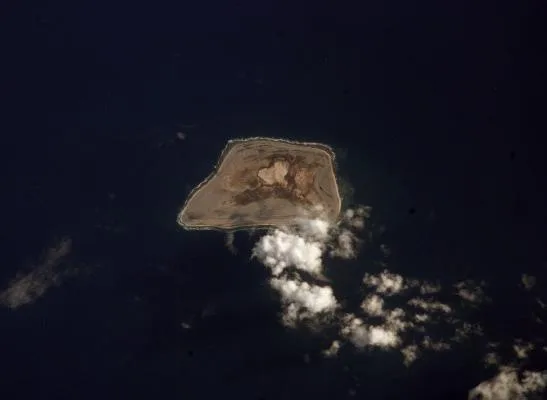
Refuge boundary sign on Jarvis Island, where landing requires a federal permit
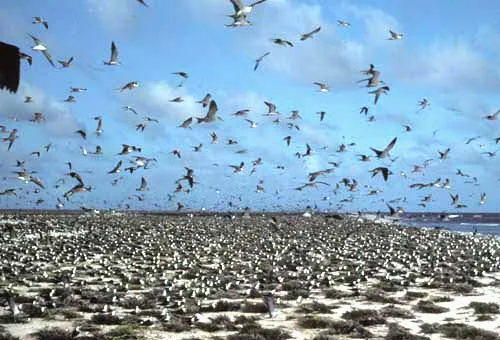
Nesting seabirds, the island's primary residents
Jarvis Island vs. a U.S. State
| Feature | Jarvis Island | U.S. State |
|---|---|---|
| Permanent Population | None | Yes |
| Local Government | None | State government |
| Congressional Representation | None | Senators + Representatives |
| Voting in Federal Elections | No residents | Yes |
| U.S. Constitution Applies | Partially (by statute) | Fully |
| Administered By | Fish & Wildlife Service | Elected officials |
| Incorporated Territory | No | Yes (as a state) |
| Public Access | Restricted permit only | Generally open |
Geography at a Glance
- Location
- South Pacific Ocean
- Coordinates
- 0°22′S 160°1′W
- Land Area
- ~1.75 sq mi (4.5 km²)
- Coastline
- ~5 miles (8 km)
- Highest Point
- ~23 ft (7 m) above sea level
- Nearest Land
- Kiribati (~~150 mi west)
- Distance to HI
- ~1,300 miles S of Honolulu
- Time Zone
- UTC−12:00
- Climate
- Equatorial, hot, arid, no freshwater
- Administration
- U.S. Fish & Wildlife Service
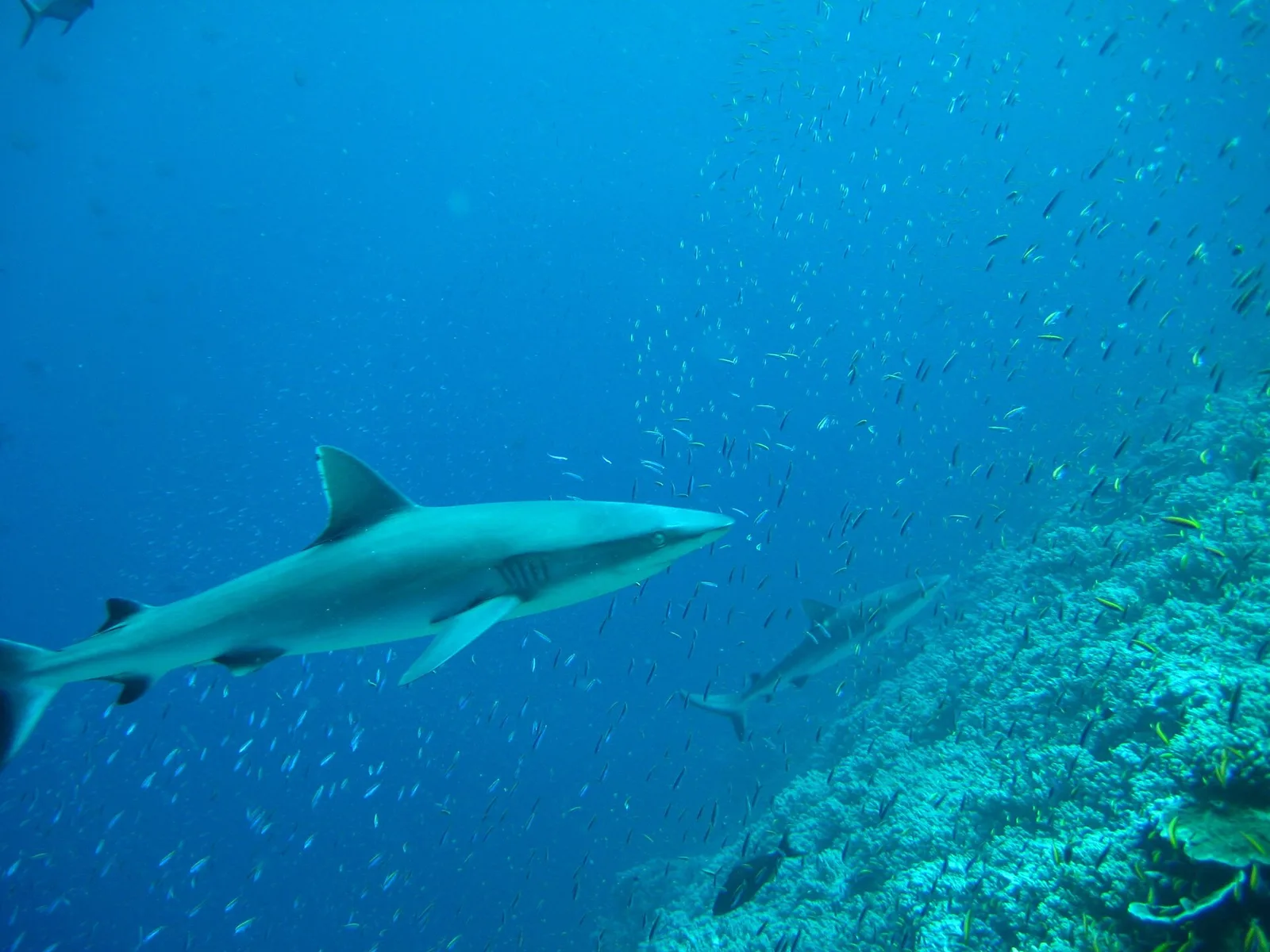
Jarvis Island's surrounding reef, among the most pristine in the Pacific
Wildlife of Jarvis Island
Though barren on the surface, Jarvis Island teems with life above and below the water. Its designation as a National Wildlife Refuge and inclusion in the Pacific Remote Islands Marine National Monument have kept it one of the most ecologically intact islands in the American Pacific.
Jarvis hosts prolific nesting colonies of sooty terns, brown noddies, great frigatebirds, red-footed boobies, and white terns. The flat, open terrain and low human pressure make it ideal nesting habitat.
Green sea turtles nest on Jarvis Island's beaches and forage in the surrounding reef waters. They are protected under the Endangered Species Act.
The surrounding reef and lagoon system supports a high diversity of coral species, reef fish, and invertebrates, all protected within the Pacific Remote Islands Marine National Monument.
Grey reef sharks, blacktip reef sharks, and large pelagic fish including tuna and mahi-mahi are abundant in Jarvis's protected no-take waters, which show what fully unfished Pacific reefs can look like.
Jarvis Island Through Time
- ✦1821
First Recorded Sighting
The British ship Eliza Frances recorded the island in 1821 and named it for the Jarvis family that owned the vessel.
Jarvis is a flat, waterless coral island of about 1,100 acres (about 1.75 square miles) just south of the equator, some 1,300 miles south of Honolulu, with no lagoon and no natural landing, so it was never settled.
- ✦1857
U.S. Claim Under Guano Act
The United States claimed Jarvis Island in 1857 under the Guano Islands Act of 1856, which let American citizens take possession of unclaimed, uninhabited islands holding guano.
Britain claimed the island in the same era, and the overlapping claims left ownership disputed for decades.
- ✦1858–1879
Guano Mining Era
The American Guano Company worked Jarvis heavily from 1858, building a small settlement, a tramway, and a jetty and shipping large tonnages of phosphate to farms in the United States and elsewhere.
The company brought in contract laborers, including Chinese workers, and the operation was one of the larger and longer-running of the Pacific guano sites before the accessible deposits gave out around 1879.
- ✦1889
British Annexation
With the Americans gone, Britain formally annexed Jarvis in 1889 and later placed it under the Gilbert and Ellice Islands colony, but made no real use of it.
A British firm made a brief, failed attempt to resume guano digging in the 1900s, and the island lapsed back into disuse.
- ✦1935
American Reoccupation
In 1935 the United States reoccupied Jarvis under the Equatorial Islands Colonization Project, landing young Native Hawaiian men recruited from the Kamehameha Schools to hold the island as a potential aviation waypoint.
Their settlement was named Millersville for William T. Miller of the Interior Department, who ran the project. The colonists lived in a few buildings, kept weather logs, raised the flag daily, and waited months between supply ships.
- ✦1942
Evacuated During World War II
After Japanese forces bombed Howland and Baker in December 1941, a U.S. warship evacuated the Jarvis colonists in February 1942. Japanese planes and a submarine later shelled the empty island.
Jarvis Island has been uninhabited ever since; the ruins of Millersville and the old guano works are still visible.
- ✦1974
National Wildlife Refuge
Jarvis Island was made a National Wildlife Refuge in 1974 and placed under the U.S. Fish and Wildlife Service, which manages it for its seabird colonies and reef.
The refuge is closed to the public except by special-use permit, and visits are rare.
- ✦2009–2014
Marine National Monument
In 2009 President George W. Bush included Jarvis Island in the new Pacific Remote Islands Marine National Monument, and in 2014 President Obama expanded the surrounding protected waters to the full 200-nautical-mile limit.
Jarvis sits in a zone of nutrient-rich upwelling that makes its reefs unusually productive, and it is one of the most closely monitored coral sites in the monument.
Did You Know?
Interesting facts about one of America's most remote territories.
Jarvis Island is the only U.S. minor outlying island in the Southern Hemisphere (American Samoa is the only inhabited U.S. territory there). Its neighbors Baker and Howland lie just north of the equator, while Jarvis sits just south of it at 0°22'S.
Jarvis is one of the rare places that has been formally claimed by both the United States and Great Britain. Britain annexed it in 1889, but the U.S. reoccupied it in 1935 and has held it ever since.
The ruins of Millersville, the 1930s colonization-era settlement, are still visible on the island today, including remnants of structures and equipment left behind when the colonists were evacuated in 1942.
Access to Jarvis Island is restricted to special use permit holders. There is no harbor, no anchorage, and no airstrip. Landing requires a small boat through the reef, making visits extremely rare.
Ham radio operators prize Jarvis Island as one of the rarest DX entities in the world (callsign prefix KH5J). Authorized expeditions to operate from the island are few and far between.
Marine biologists consider Jarvis Island's surrounding waters among the most pristine reef ecosystems in the Pacific. Fish biomass here far exceeds that of fished reefs nearby, offering a rare glimpse at what the pre-human ocean looked like.
Quick Facts and Common Questions
Short answers to the questions people most often ask about Jarvis Island: where it is, how the United States claimed it, and who looks after it today.
Jarvis Island is a small coral island in the South Pacific Ocean, just south of the equator, about 1,300 miles south of Honolulu. It covers about 1.75 square miles, has almost no fresh water, and has no permanent residents.
Americans claimed Jarvis Island in 1858 under the Guano Islands Act of 1856, which let U.S. citizens claim unoccupied islands holding guano, seabird droppings valued as fertilizer. After guano mining ended, Great Britain annexed the island in 1889, but the United States reasserted its claim in 1935 by sending colonists to live there.
From 1935 to 1942 the federal government kept small groups of young men, most of them students from Hawaii known as the Hui Panalāʻau, on Jarvis, Howland, and Baker islands to strengthen U.S. claims. Their settlement on Jarvis was called Millersville, and the program ended in early 1942 after the start of World War II in the Pacific.
Jarvis Island is an unincorporated, unorganized territory of the United States. It has no local government, and Congress has decided that only selected parts of the U.S. Constitution apply there. It is one of the U.S. Minor Outlying Islands.
The U.S. Fish and Wildlife Service manages the island as Jarvis Island National Wildlife Refuge, established in 1974. It is also part of the marine national monument created in 2009 as the Pacific Remote Islands Marine National Monument and renamed the Pacific Islands Heritage Marine National Monument in 2025. Visits require a special permit.
No. Jarvis Island has no residents, is not part of any state or congressional district, and has no delegate in Congress.