
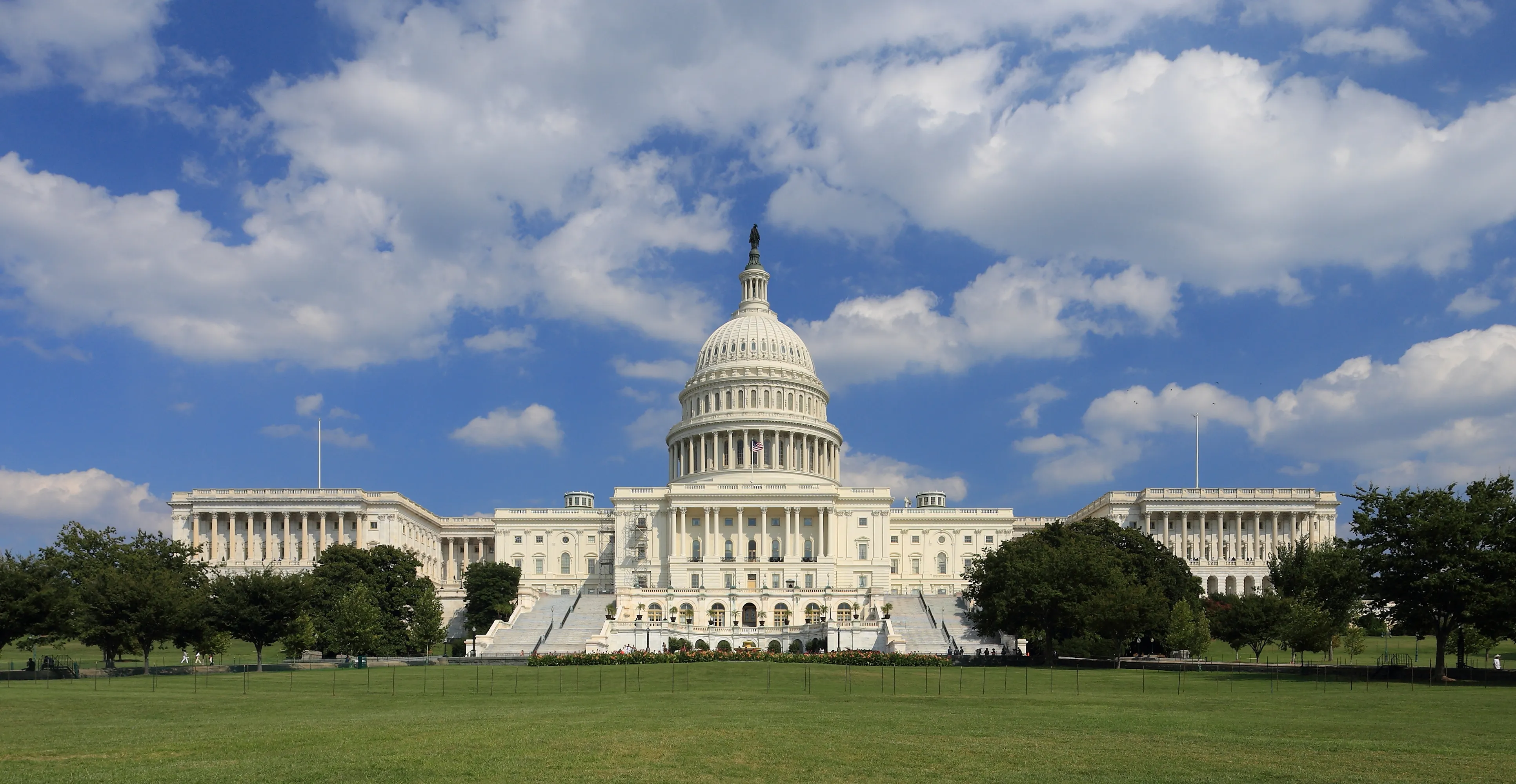
Separation of Powers and Checks and Balances, Explained
The Constitution splits federal power three ways, legislative, executive, and judicial, and gives each branch specific tools to check the other two. Here is exactly how that works, branch by branch, with real historical examples of those checks actually being used.
Two Related Ideas, Not One
Separation of powers divides government into three branches with distinct jobs. Checks and balances gives each of those branches tools to constrain the other two. The sections below explain where both ideas came from, what each branch actually does, and why the resulting friction is a deliberate design choice rather than a flaw.
Sources & Further Reading
- National Archives, The Constitution
- National Archives, The Federalist Papers
- Oyez, Marbury v. Madison (1803)
- Oyez, Youngstown Sheet & Tube Co. v. Sawyer (1952)
- U.S. Senate, Nominations and Advice and Consent
- History, Art & Archives, U.S. House of Representatives, Impeachment
- Congress.gov, Legislative Process
This page describes the Constitution's structural design and documented historical examples of it in use. It takes no position on any current political dispute. Case examples are sourced to primary historical documents, Supreme Court opinions via Oyez, and the official pages of the U.S. Senate and House of Representatives.