
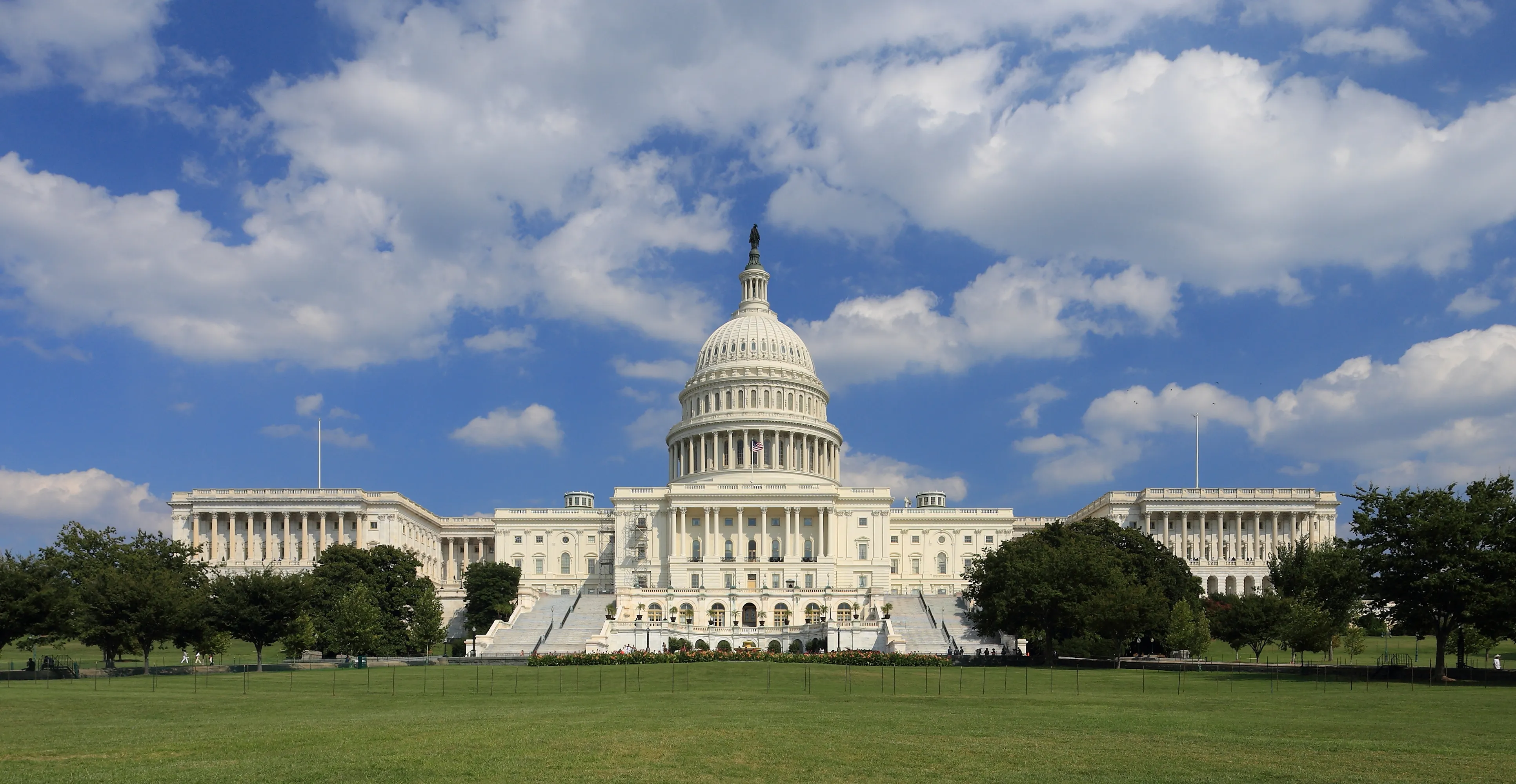
Senate Leadership:
The Majority Leader
The Senate has no Speaker. Instead, the Senate Majority Leader is the most powerful person in the chamber, setting the agenda, scheduling votes, and steering the upper house of Congress.
Who Actually Runs the Senate?
The Senate is constitutionally different from the House in a key way: it has no Speaker. The Constitution names the Vice President as the President of the Senate, but the VP rarely shows up, and when they do, they can only vote to break ties. The daily running of the Senate falls to someone the Constitution never mentions at all: the Senate Majority Leader.
The Majority Leader is the elected head of the party that holds the most Senate seats, and in practice, the most powerful person in the chamber. They control what gets voted on, when, and how. Nothing of significance happens on the Senate floor without their involvement.
That power rests on a single custom rather than a written rule. Since a 1937 ruling by the presiding officer, the Senate has recognized the Majority Leader ahead of every other senator seeking the floor. Because Senate business moves by motions made from the floor, whoever is recognized first decides which bill or nomination the chamber considers next. The Congressional Research Service describes this "right of first recognition" as the foundation of the job.
The office is young by Senate standards. Party floor leaders were first formally designated around 1920, and the Senate did not list the Majority and Minority Leaders in its official records until 1969, backdating the Democratic line to 1920 and the Republican line to 1925. Before then, committee chairmen and a few senior "bosses" ran the chamber informally.
Unlike the Speaker of the House, the Majority Leader holds no gavel and does not preside. The leader has no vote beyond the one every senator casts, cannot rule motions out of order, and cannot by rule cut off a colleague who has the floor. The leader governs through scheduling control, the power to grant or withhold floor time, and the constant negotiation of unanimous consent agreements with the Minority Leader.
The Senate Has Three "Leaders", Here's How They Differ
Vice President
Constitutional President of the Senate. Presides and breaks ties. Rarely present. Not a senator.
President Pro Tempore
Constitutional presiding officer when VP is absent. Usually the longest-serving majority senator. Mostly ceremonial.
Senate Majority Leader
Real leader. Controls the floor schedule, sets the agenda, and drives all major legislation. Not in the Constitution, a Senate rule.
What the Constitution Says, and Doesn't Say
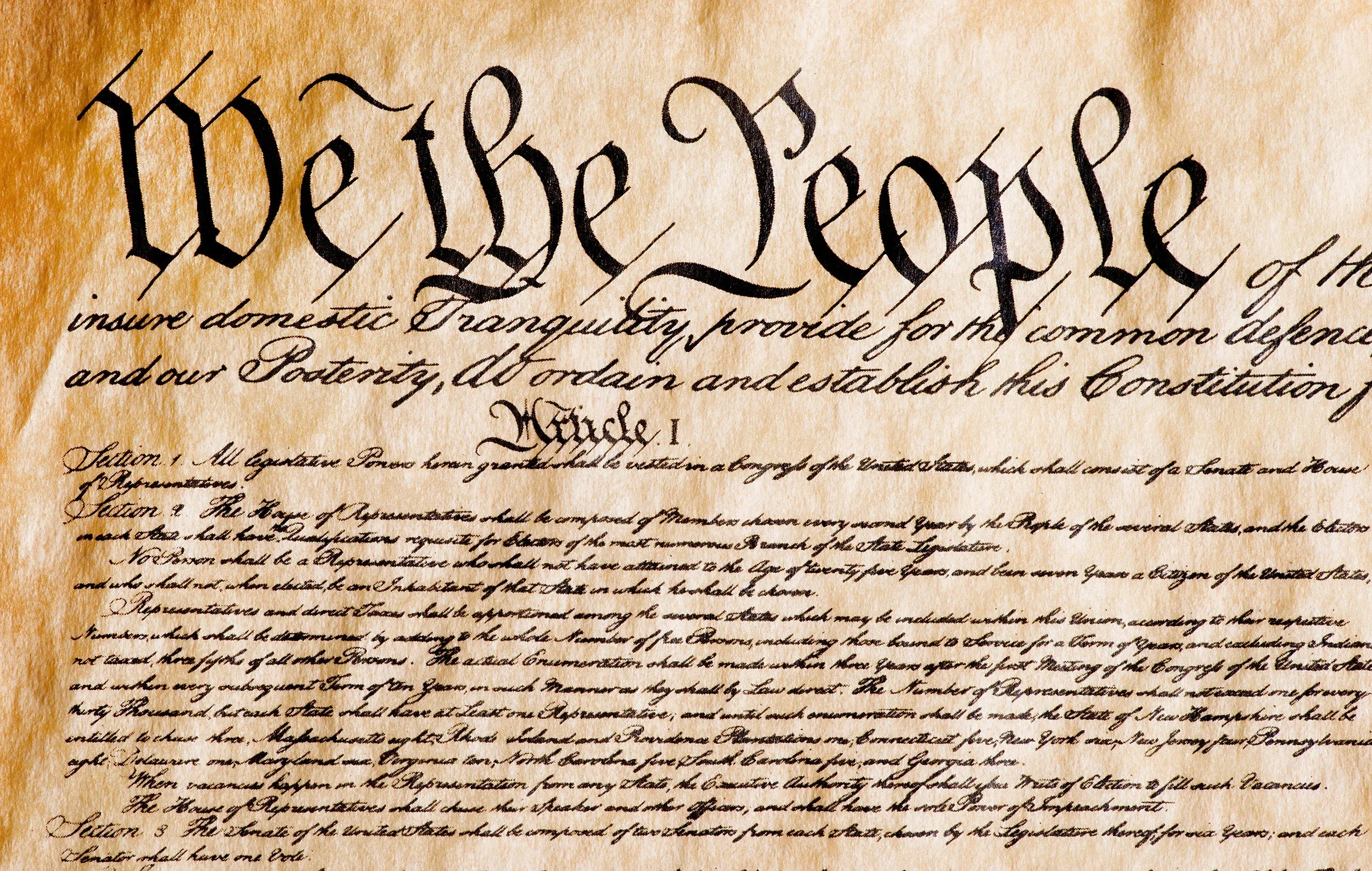
Article I, says nothing about a Majority Leader (Public Domain)
Like the Speaker of the House, the Senate Majority Leader position is not mentioned anywhere in the Constitution. The document only says the Senate may choose its own officers. Everything else, the Majority Leader, the floor schedule, cloture rules, the filibuster, comes from Senate rules and tradition built up over two centuries.
The formal position of Senate Majority Leader didn't even exist until around 1920. Before that, the Senate operated more loosely, powerful senior members held sway informally, and committees held most of the power. The modern leadership structure is entirely a 20th century invention.
Historians generally credit Senate Democrats with taking the first clear step, designating John Worth Kern of Indiana as their conference chairman and de facto leader in 1913. Republicans followed with Charles Curtis of Kansas and then made the arrangement explicit under Charles McNary in the late 1920s. The Senate itself only began formally listing the two floor leaders in the Congressional Directory in 1969.
The leader's defining tool, being recognized to speak before any other senator, is also unwritten. It traces to a 1937 decision by Vice President John Nance Garner, presiding over the Senate, that when several senators seek recognition at once the chair will call on the Majority Leader first, then the Minority Leader. No Senate rule requires this; it has simply been honored ever since.
Because the role rests on custom, it can shift without a rule change. Leaders have expanded their power by pioneering tactics such as the two-track system Mike Mansfield and Robert Byrd adopted in the early 1970s, which let the Senate set a filibustered bill aside and move to other business, and "filling the amendment tree" to block minority amendments, a practice that became common in the 2000s.
Article I, Section 3, The VP as President of the Senate
"The Vice President of the United States shall be President of the Senate, but shall have no Vote, unless they be equally divided."
Article I, Section 3, The President Pro Tempore
"The Senate shall chuse their other Officers, and also a President pro tempore, in the Absence of the Vice President, or when he shall exercise the Office of President of the United States."
The Constitution mentions the VP as Senate president and allows a President Pro Tempore when the VP is absent. The Senate Majority Leader, the actual power center, appears nowhere. It exists entirely by Senate rule and tradition.
How the Majority Leader Gets the Job
Unlike the Speaker of the House, the Senate Majority Leader is not elected by the full Senate, only by senators of the majority party. The process is simpler and more private:
Party Conference Election
Senators of each party hold a private meeting, called a conference (Republicans) or caucus (Democrats), and vote for their leader by secret ballot. A simple majority of the party's senators wins. This happens at the start of each new Congress and whenever a leadership vacancy opens.
Majority Determines the Title
Whichever party has more than 50 seats wins the Senate majority. Their elected leader becomes the Majority Leader. The other party's leader is the Minority Leader. If control is exactly 50-50, the party of the VP holds the tiebreaker and the majority.
No Full Senate Vote Needed
Unlike the Speaker, the Majority Leader does not need to win a floor vote of the entire Senate. They're only chosen by their own party. The full Senate simply accepts whoever the majority party has selected.
Can Be Replaced Mid-Term
The majority party can hold a new leadership election at any time if they lose confidence in their leader, though in practice leadership changes usually come when a leader steps aside voluntarily, as Mitch McConnell did in 2024 before John Thune was elected to replace him.
Key difference from the Speaker: The Speaker can be removed by any House member filing a motion to vacate, a floor vote of all 435 members. The Senate Majority Leader has no equivalent mechanism. They can only be removed by their own party senators voting to replace them in a caucus meeting. The full Senate has no formal say in the matter.
The Majority Leader's Powers and Duties
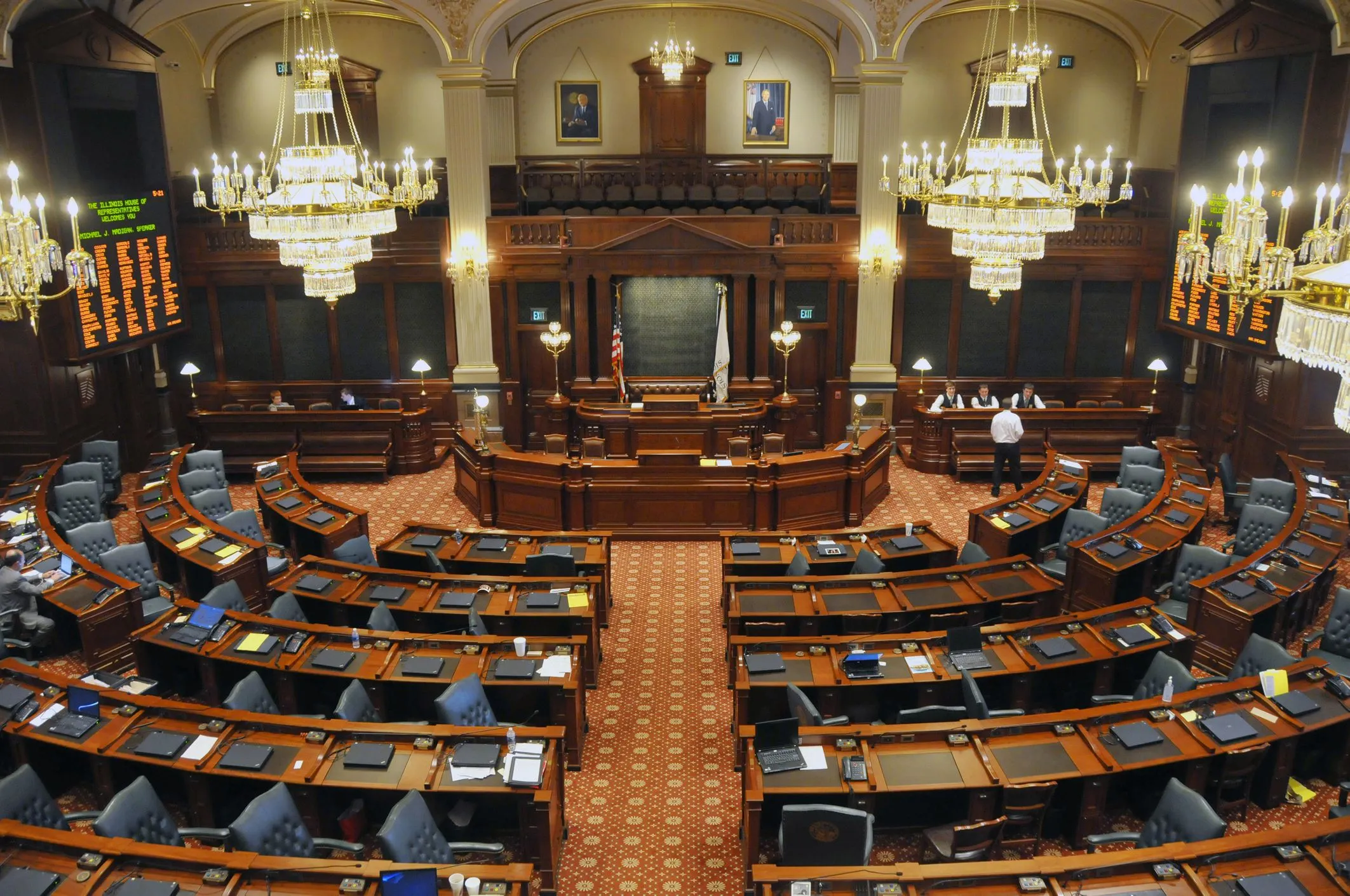
The Senate floor, where the Majority Leader controls the pace of all business (Public Domain)
The Majority Leader's power comes from one foundational Senate rule: the right of first recognition. When the presiding officer looks for someone to speak, they recognize the Majority Leader before any other senator. From that one privilege, enormous power flows:
Controls the Senate Floor Schedule
The Majority Leader decides what the Senate takes up, in what order, and for how long. They can bring a bill to the floor or bury it. They can schedule a vote immediately or let a bill sit for months. Nothing comes to a vote without their approval, making this the most powerful tool they hold. A senator with a popular bill can watch it die simply because the Majority Leader refuses to schedule it.
Filling the Amendment Tree
Through parliamentary procedure, the Majority Leader can 'fill the amendment tree', using their right of first recognition to offer all permissible amendments to a bill themselves, blocking other senators from offering amendments of their own. This controversial tactic lets the Majority Leader bring a bill to the floor in exactly the form they want, with no changes allowed from the minority.
Negotiates Major Legislation
The Majority Leader is the Senate's chief negotiator, working with the House leadership, the White House, and their own members to put together legislation that can pass. They trade provisions, promise committee assignments, offer floor time for other bills, and apply political pressure. Every major piece of legislation runs through their office.
Sets the Pace of the Senate
The Senate's schedule, when it's in session, when members can go home, how many days are spent on the floor vs. committee work, is entirely controlled by the Majority Leader. This is a powerful tool of both reward and pressure. Keeping senators in Washington over weekends or holidays to pass legislation is a classic Majority Leader tactic.
Leads Party Strategy and Communications
The Majority Leader is the public voice of the Senate majority, holding press conferences, responding to national events, and framing the party's message. They also manage the internal politics of their caucus, mediating disputes, managing factions, and keeping enough senators united to pass legislation.
Influences Committee Assignments
While the Senate's party steering committees technically handle assignments, the Majority Leader has significant influence over who gets coveted seats on powerful committees like Finance, Appropriations, and Judiciary. This gives them ongoing leverage over individual senators who want plum assignments.
The President Pro Tempore: The Constitutional Head
The President Pro Tempore (Latin for "president for a time") is the Senate's constitutionally designated presiding officer when the VP is absent, which is almost always. It sounds like a powerful job. In practice, it's largely ceremonial.
Who Gets the Job?
By tradition, not by rule, the President Pro Tempore is the longest-serving senator in the majority party. This is purely a courtesy honor. The actual work of presiding over the Senate floor is almost always delegated to junior majority party senators who rotate through the duty.
Why It Still Matters
Despite the ceremonial nature, the President Pro Tempore is third in the presidential line of succession, behind the VP and the Speaker of the House, but ahead of the entire Cabinet. That single fact means the position will always carry weight regardless of its day-to-day irrelevance.
Current President Pro Tempore (2025)
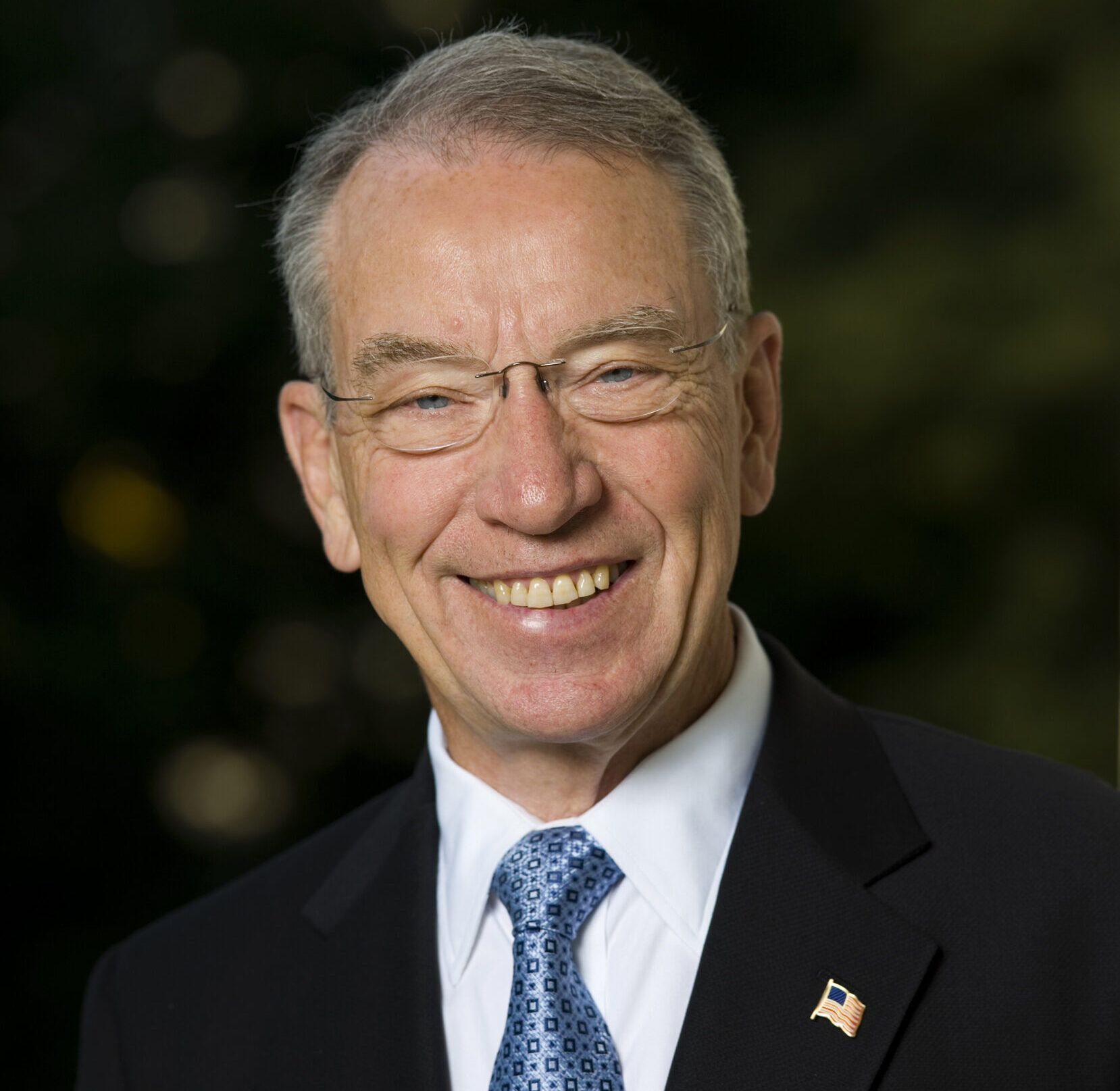
Chuck Grassley
Republican, Iowa
Serving in the Senate since 1981, the longest-serving Republican senator
3rd in the presidential line of succession
Majority Leader vs Minority Leader
Both parties elect a floor leader. When one controls the Senate, their leader is the Majority Leader. The other party's leader becomes the Minority Leader. The difference in power between the two is enormous, but the Minority Leader isn't powerless:
Majority Leader
- +Controls the floor schedule, decides what gets voted on
- +Can bring any bill to the floor at any time
- +Fills committee chair positions with majority party members
- +Sets session hours and recess periods
- +First recognized to speak on the floor
- +Leads conference committee negotiations
- +Can use procedural tools to limit amendments
Minority Leader
- ›Cannot schedule floor votes independently
- ›Can threaten or use the filibuster to block legislation
- ›Needs 41 senators to sustain a filibuster
- ›Leads party messaging and public opposition
- ›Negotiates with Majority Leader on unanimous consent agreements
- ›Can offer amendments and demand recorded votes
- ›Organizes minority party strategy and caucus
The Filibuster Is the Minority Leader's Great Equalizer
Because most legislation needs 60 votes to overcome a filibuster, the Minority Leader with just 41 senators can effectively block the Majority Leader's entire agenda. This is why the Minority Leader in the Senate holds far more power than the House Minority Leader, who has almost no tools to stop the majority.
Notable Majority Leaders in History
The Most Powerful Majority Leader in History
Lyndon B. Johnson (1955–1961)
LBJ transformed the Majority Leader position into something approaching a personal fiefdom. Through a combination of intense personal persuasion (the famous 'Johnson Treatment', physically dominating conversations, making promises, issuing threats), masterful vote-counting, and 24/7 legislative intensity, he passed more legislation than any Majority Leader before or since. He shepherded the Civil Rights Act of 1957 through a Senate dominated by Southern segregationists, considered one of the most remarkable legislative achievements in Senate history. He left the Senate to become VP and later president.
The Longest-Serving Majority Leader, A Different Style
Mike Mansfield (1961–1977)
Where Johnson ruled through intimidation and control, Mansfield led through patience, respect, and decentralization. He gave senators unprecedented autonomy, rarely used procedural tricks, and believed the Senate should be a place of genuine debate. He served for 16 years, the longest of any Majority Leader, steering the Senate through Vietnam, Watergate, and the civil rights era. His quiet style was the polar opposite of his predecessor.
Mitchell, a Coalition Builder Who Left on His Own Terms
George Mitchell (1989–1995)
George Mitchell led Senate Democrats from 1989 until he retired in January 1995, just as the 1994 Republican wave took control of both chambers; his House counterpart for most of that time was Speaker Tom Foley. He was known as a skilled legislative craftsman who could build coalitions across party lines. In 1994 he declined President Clinton's offer to nominate him to the Supreme Court so he could finish his final year as Majority Leader. After leaving the Senate, he became famous as the mediator who helped broker the Good Friday Agreement ending the Northern Ireland conflict, one of the most successful diplomatic achievements by a former senator.
The Longest-Serving Senate Party Leader in History
Mitch McConnell (Majority Leader 2015–2021)
McConnell served as Senate Republican leader longer than anyone in history, from 2007 to 2025: Minority Leader (2007-2015), Majority Leader (2015-2021), and Minority Leader again (2021-2025). He is most known for his refusal to hold a hearing for Supreme Court nominee Merrick Garland in 2016 (arguing the vacancy should wait for the election), and then confirming Amy Coney Barrett in 2020 just weeks before an election. Supporters called it brilliant strategy. Critics called it a fundamental breach of Senate norms. Either way, it reshaped the Supreme Court for a generation.
All Senate Majority Leaders
The formal Senate Majority Leader position developed around 1918–1920. All leaders since then are listed below.

Henry Cabot Lodge
1918–1924
MA
RepublicanFirst recognized floor leader

Oscar Underwood
1920–1923
AL
Democrat
Charles Curtis
1924–1929
KS
RepublicanLater VP under Hoover

James Watson
1929–1933
IN
Republican
Joseph T. Robinson
1933–1937
AR
DemocratDied in office

Alben Barkley
1937–1947
KY
DemocratLater VP under Truman

Wallace White
1947–1949
ME
Republican
Scott Lucas
1949–1951
IL
Democrat
Ernest McFarland
1951–1953
AZ
Democrat
Robert A. Taft
1953
OH
RepublicanDied in office

William Knowland
1953–1955
CA
Republican
Lyndon B. Johnson
1955–1961
TX
DemocratMost powerful Majority Leader in history

Mike Mansfield
1961–1977
MT
DemocratLongest-serving Majority Leader (16 years)

Robert C. Byrd
1977–1981, 1987–1989
WV
DemocratAlso served as Minority Leader

Howard Baker
1981–1985
TN
Republican
Robert Dole
1985–1987, 1995–1996
KS
Republican1996 Republican presidential nominee

George Mitchell
1989–1995
ME
Democrat
Trent Lott
1996–2002
MS
RepublicanResigned after controversial remarks

Tom Daschle
2001–2003
SD
DemocratLost re-election in 2004 as Minority Leader, the first party leader to lose since 1952

Bill Frist
2003–2007
TN
Republican
Harry Reid
2007–2015
NV
DemocratInvoked the nuclear option for nominations

Mitch McConnell
2015–2021
KY
RepublicanLongest-serving party Senate leader in history
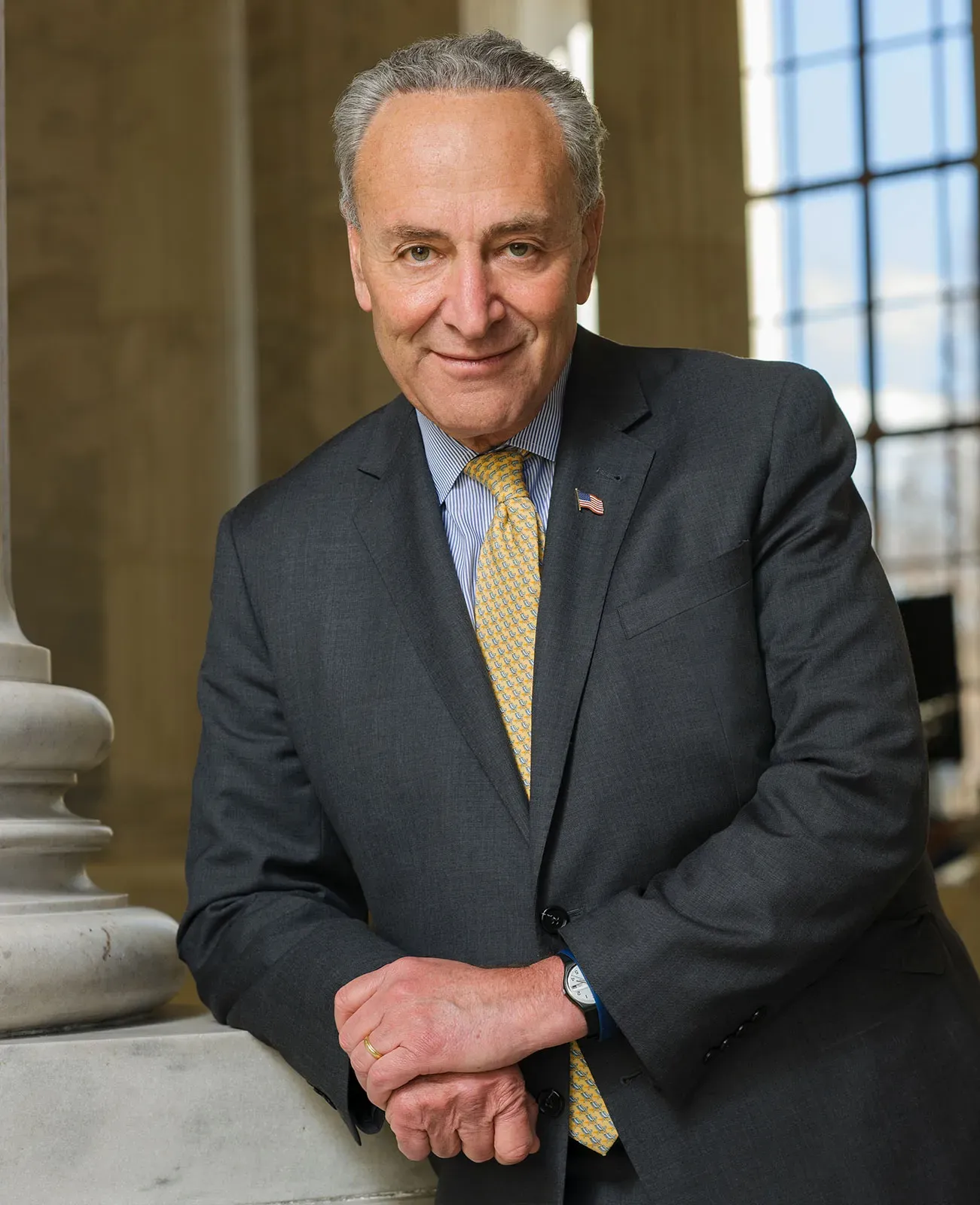
Chuck Schumer
2021–2025
NY
Democrat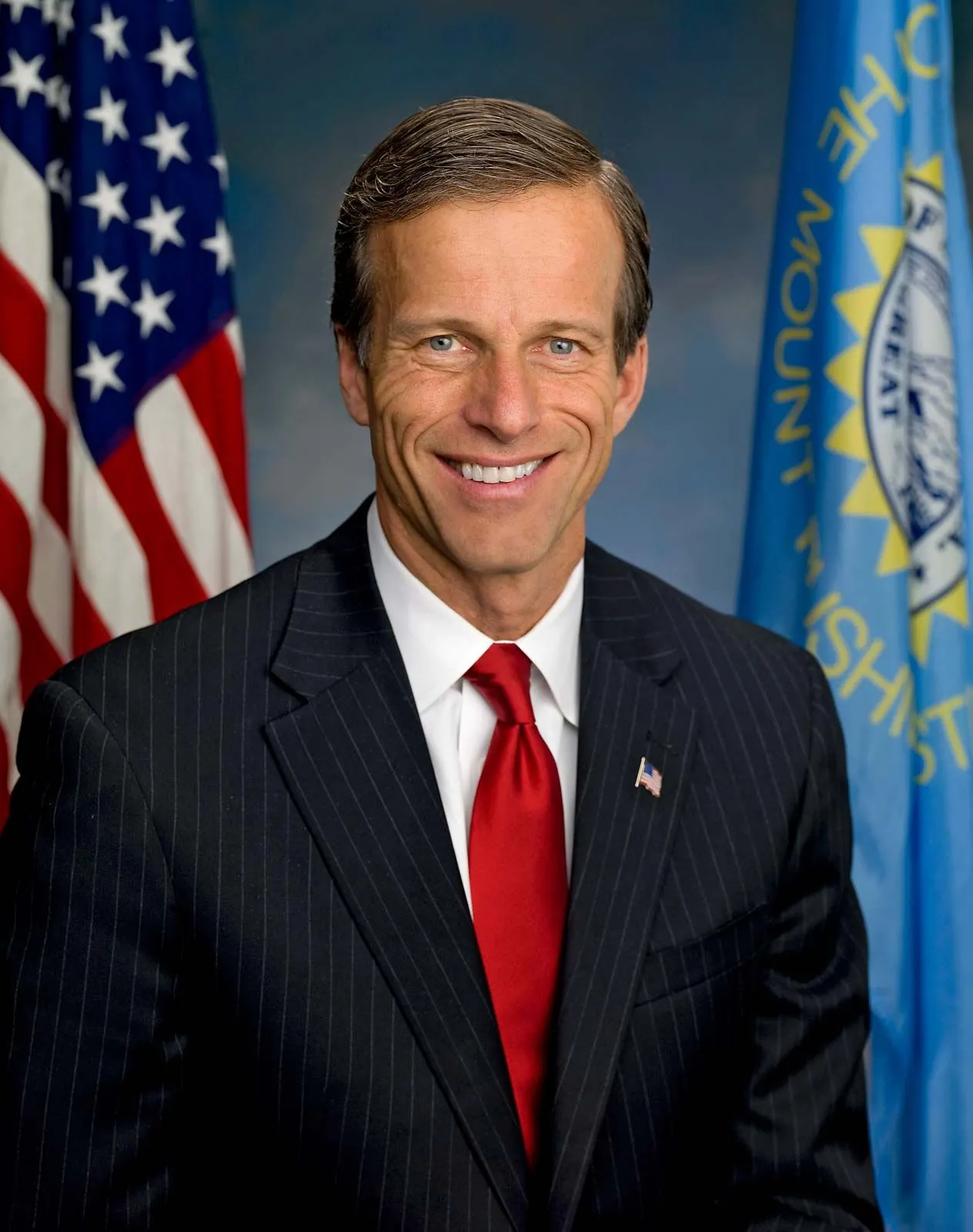
John Thune
2025–Present
SD
RepublicanCurrent
Current Senate Majority Leader
John Thune
24th Senate Majority Leader
Elected Republican Senate leader in November 2024 after Mitch McConnell stepped down. Former star athlete and college basketball player. Defeated Senate Democratic leader Tom Daschle in 2004, one of the most stunning upsets in Senate history.
Quick Facts
Where to Find It
Did You Know?
The 'Johnson Treatment' was legendary
LBJ was famous for getting right in senators' faces, physically towering over them at 6'4", poking them in the chest, whispering in their ear, throwing his arm around their shoulder. Journalists and colleagues described it as unlike anything else in Washington, a full-body political persuasion technique that was impossible to ignore.
The Majority Leader can work nights and weekends
One of the Majority Leader's most effective tools is simply keeping the Senate in session. By refusing to adjourn or scheduling votes for late at night, Saturdays, or over holidays, they can pressure members to fall in line. Most senators have constituents, families, and other commitments. Extended sessions wear people down.
Tom Daschle was the first Senate party leader defeated for re-election since 1952
In 2004, John Thune, the current Majority Leader, defeated Tom Daschle in South Dakota by fewer than 5,000 votes. Daschle, Majority Leader in 2001-2003, was Minority Leader by then. Losing your Senate seat while serving as a party's floor leader is extraordinarily rare (the last time before him was Ernest McFarland of Arizona in 1952) and considered one of the most stunning electoral upsets in Senate history.
The position didn't officially exist until the 20th century
For the Senate's first 130 years, there was no formal floor leader. Senior senators, committee chairmen, and party caucus chairs held informal influence. It wasn't until the early 1920s that the role of floor leader became a recognized, formal position, making it one of the youngest major offices in American government.