
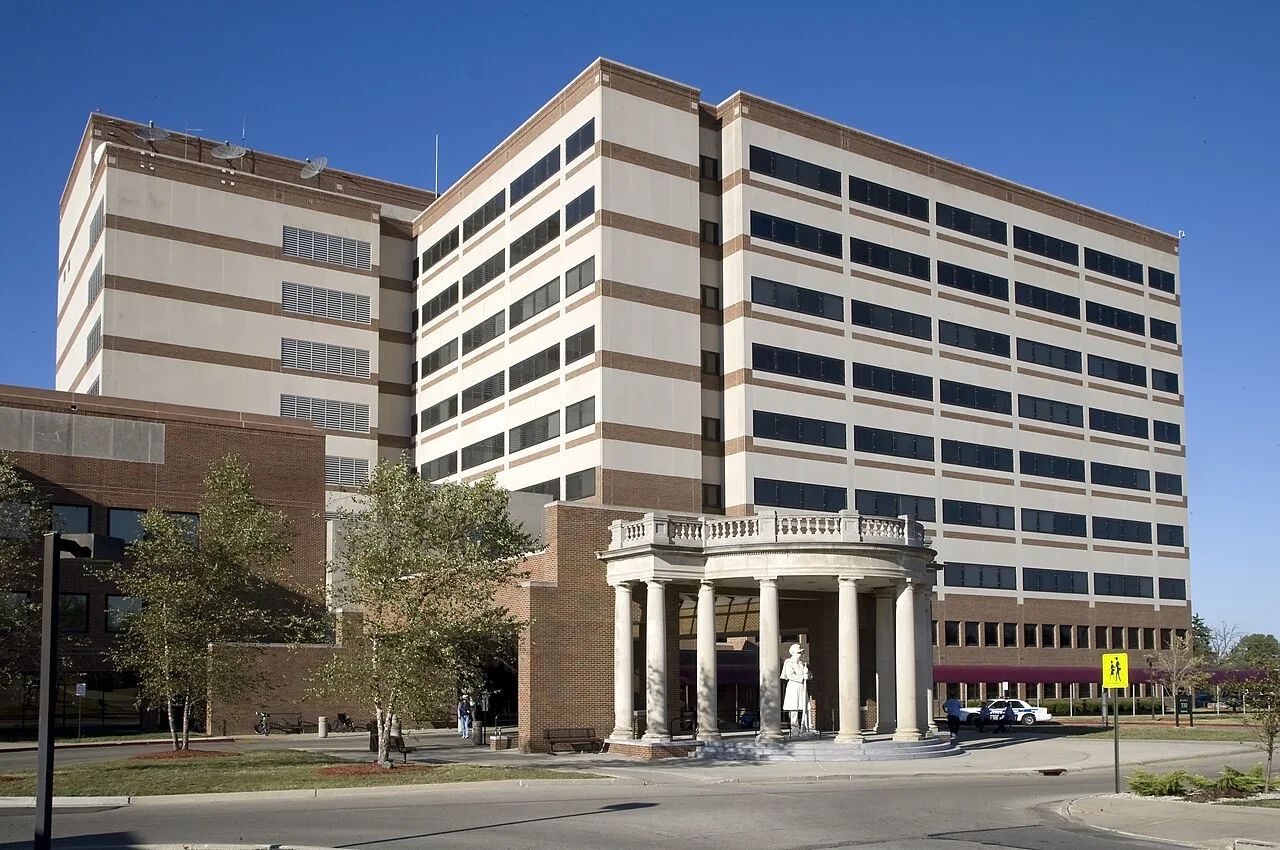
What The VA Does
Established March 15, 1989 (as an Administration since July 21, 1930), The U.S. Department of Veterans Affairs is one of the fifteen Cabinet-level departments of the U.S. federal government.
The VA provides health care, disability compensation, education benefits, and home loan guarantees to America's roughly 18 million living veterans and, in many cases, their families. It runs the Veterans Health Administration, the largest integrated health care system in the United States, with more than 170 medical centers and over 1,000 outpatient clinics nationwide.
The Veterans Benefits Administration processes disability compensation claims for injuries or illnesses connected to military service, administers the Post-9/11 GI Bill, which pays tuition and provides a housing stipend for veterans pursuing higher education, and guarantees home loans that allow veterans to buy homes with little or no down payment.
The department also operates the National Cemetery Administration, which maintains 155 national cemeteries and provides burial benefits for eligible veterans and their families, an obligation that has grown increasingly significant as the World War II and Korean War veteran generations age.
The VA's budget, about $369 billion, is split roughly in half between mandatory spending (disability compensation and pensions, which every eligible veteran receives automatically) and discretionary spending (most health care, which Congress funds each year, now largely a year in advance so it survives a government shutdown). It has been one of the fastest-growing parts of the federal budget, roughly tripling in real terms since 2000 as the Vietnam generation aged and eligibility expanded.

The Secretary of Veterans Affairs
The Secretary of Veterans Affairs leads The VA, sits on the President's Cabinet, and is confirmed by a majority vote of the U.S. Senate.

Current Secretary of Veterans Affairs
Doug Collins
In office since
February 5, 2025
Prior role: U.S. Representative from Georgia (2013-2021); U.S. Air Force Reserve chaplain
Doug Collins was confirmed as Secretary of Veterans Affairs on February 5, 2025. He served four terms in the U.S. House representing Georgia's 9th congressional district, including as the top Republican on the House Judiciary Committee during the first Trump administration's impeachment proceedings.
Collins has served as a chaplain in the U.S. Air Force Reserve for more than two decades, including a deployment to Iraq in 2008, giving him direct personal experience within the veteran community he now oversees as Cabinet secretary.
Major Sub-Agencies & Bureaus
The VA carries out its mission through operating divisions and sub-agencies, each with its own specific mandate.
VHA operates the largest integrated health care system in the United States, treating roughly 9 million enrolled veterans annually across more than 170 medical centers and 1,000-plus outpatient clinics, larger than any private hospital chain in the country by patients served.
The VA health system pioneered the electronic health record and has historically produced strong quality outcomes for common chronic conditions in independent studies, though it has also faced high-profile scandals over wait times and access, most notably a 2014 crisis in Phoenix that revealed falsified records concealing months-long delays for veteran patients.
VHA is also the country's largest trainer of doctors and nurses: it has academic affiliations with most U.S. medical schools, and a large share of practicing American physicians did part of their residency at a VA hospital. It runs one of the biggest medical-research programs in the country, work that produced the first implantable cardiac pacemaker and the nicotine patch and won VA researchers three Nobel Prizes.
A long effort to replace VistA, the VA's own pioneering but aging electronic health record, with a commercial system shared with the Defense Department has run years behind schedule and far over budget, and was paused after safety problems at early sites before restarting on a slower timeline.
VBA processes disability compensation claims for injuries and illnesses connected to military service, administers the GI Bill education benefit, guarantees home loans, and provides life insurance and vocational rehabilitation programs, handling more than a million new disability claims in a typical year.
Disability claim processing times have historically been a persistent source of frustration for veterans, and the VA has invested heavily in recent years in digitizing claims processing and using data-sharing agreements with the Defense Department to speed up claims for conditions with well-documented service connections.
The claims "backlog" (claims pending more than 125 days) hit about 611,000 in 2013 and fell below 100,000 by 2015; after the 2022 PACT Act opened new eligibility, the total claims inventory passed a million and the backlog climbed into the hundreds of thousands, before the VBA hired thousands of staff and worked it back down. More than 6 million veterans now receive monthly disability payments.
Because a higher disability rating means a larger tax-free check and better health access, an industry of "claim consultants" has grown up to help (and sometimes overcharge) veterans file, prompting congressional proposals to regulate them. The VA itself and accredited Veterans Service Organizations provide the same help for free.
The National Cemetery Administration maintains 155 national cemeteries, including Arlington National Cemetery's ceremonial functions (though Arlington itself is actually managed by the Army, not the VA), providing burial space, headstones, and memorial services for eligible veterans and, in many cases, their spouses and dependents at no cost to the family.
The agency consistently ranks among the highest customer-satisfaction federal agencies in independent surveys, reflecting the priority the department places on the dignity and quality of its burial and memorial services for veterans and their families.
The national cemetery system dates to 1862, when Congress authorized purpose-built cemeteries for Union war dead; 14 of the original sites were established during the Civil War, and Arlington was created in 1864 on land seized from Robert E. Lee's family estate. The VA took over most of the system from the Army in 1973.
The agency conducts about 130,000 interments a year and has an ongoing program to open new cemeteries so that most veterans live within 75 miles of one. It also provides free government headstones and markers for veterans buried anywhere, including private cemeteries, and maintains a nationwide gravesite locator.
Created in 2017 in response to earlier VA scandals, this office investigates employee misconduct and protects whistleblowers who report problems within the department, giving the VA Secretary direct authority to discipline or remove employees for poor performance or misconduct more efficiently than prior civil service rules had allowed.
The office was established directly following public outrage over the 2014 Phoenix wait-time scandal, in which VA employees were found to have falsified records to conceal how long veterans were actually waiting for care, several of whom died while awaiting treatment.
It was made law by the VA Accountability and Whistleblower Protection Act of 2017, which lowered the evidence standard and shortened the appeal timeline for firing VA employees. A 2021 federal appeals court decision (Sayers v. DVA) narrowed those expedited-removal powers, ruling the VA had applied them too broadly, and the department revised its procedures.
The office itself drew criticism from the VA's separate Inspector General in a 2019 report that found it had mishandled cases and, in some instances, retaliated against the whistleblowers it was created to protect, leading to leadership changes and new procedures.
From March 15, 1989 (as an Administration since July 21, 1930) to Today
The predecessor of The VA was the Veterans Administration (1930-1989). Here is how the department reached its current form.
Veterans benefits in America predate the country itself: the Plymouth Colony passed a law in 1636 providing support to colonists disabled while defending the colony against Native American tribes, making it among the earliest recorded veterans benefit programs in what would become the United States.
Following the Revolutionary War, the Continental Congress and later the federal government provided pensions to disabled veterans and widows, establishing an early precedent for government-provided veterans benefits that expanded gradually with each subsequent American war.
Civil War pensions became the largest single item in the federal budget by the 1890s, at times over 40 percent of federal spending, and covered hundreds of thousands of Union veterans and dependents; the last person receiving a Civil War pension, Irene Triplett, a veteran's daughter, died in 2020.
President Hoover created the Veterans Administration in 1930, consolidating three existing federal veterans agencies, the Veterans Bureau, the Bureau of Pensions, and the National Home for Disabled Volunteer Soldiers, into a single independent agency, though not yet at Cabinet level.
The consolidation reflected the sheer scale of veterans needing support following World War I, and the new agency's health and benefits functions grew substantially over the following decades as the country moved through World War II, Korea, and Vietnam.
The consolidation came two years before the 1932 "Bonus Army," in which tens of thousands of jobless World War I veterans camped in Washington demanding early payment of a promised bonus and were dispersed by the U.S. Army; the episode helped push Congress to pay the bonus in 1936 over President Roosevelt's veto.
The Servicemen's Readjustment Act of 1944, universally known as the GI Bill, provided World War II veterans with funding for college education, low-interest home loans, and unemployment compensation, and is widely credited with fueling the postwar expansion of the American middle class and suburban homeownership.
Historians consider the original GI Bill one of the most consequential pieces of domestic legislation in American history, though its benefits were unevenly applied at the time, with Black veterans in particular facing significant discrimination in accessing the housing and education benefits the law nominally guaranteed to all veterans equally.
The law was administered locally, and in the segregated South and in redlined Northern housing markets, Black veterans were routinely denied VA-backed mortgages and steered away from white colleges. Economists studying the era estimate the resulting gap in homeownership and college attainment contributed measurably to the modern racial wealth gap.
Congress elevated the Veterans Administration to full Cabinet-level status as the Department of Veterans Affairs in 1989, signed by President Reagan just before leaving office, reflecting the growing political recognition of veterans issues as the Vietnam War generation aged and advocated for stronger federal support.
The elevation gave the department's leader a permanent seat at the Cabinet table and direct access to the president, a status change veterans' organizations had lobbied for over several years as recognition of the scale and importance of the department's mission.
The change kept the initials "VA" that the public already knew. It also placed the department 17th in the presidential line of succession, since succession follows the date each department was created; only Homeland Security, created in 2002, comes after it.
A 2014 investigation revealed that VA employees at the Phoenix VA Medical Center had falsified records to hide months-long wait times for veteran patients seeking care, with some veterans dying while awaiting treatment, triggering a national scandal, congressional investigations, and the resignation of the VA Secretary.
The scandal led directly to the Veterans Access, Choice, and Accountability Act of 2014, which created the Veterans Choice Program allowing veterans facing long VA wait times to seek care from private providers instead, later expanded and made permanent through the 2018 VA MISSION Act.
The VA Inspector General ultimately found that schedulers across dozens of facilities had used off-the-books lists and other tricks to make wait times look shorter, driven partly by performance bonuses tied to those metrics, though it could not conclusively link specific deaths to the delays. Secretary Eric Shinseki resigned within weeks.
Defining Moments
Events that reshaped the department's authority, structure, or public role.
The original 1944 GI Bill sent roughly 2.2 million World War II veterans to college and helped nearly 2.4 million buy homes with VA-backed loans, dramatically expanding higher education access and homeownership rates in postwar America in ways that reshaped the country's economic and social structure for generations.
The modern Post-9/11 GI Bill, enacted in 2008, extended similarly generous education benefits to veterans of the wars in Iraq and Afghanistan, and it remains one of the most widely used and highly valued veterans benefits offered by the department today.
At its 1947 peak, veterans made up nearly half of all U.S. college students, forcing rapid expansion of higher education. About 7.8 million of the 16 million World War II veterans used some part of the education benefit, most for vocational training or below-college schooling rather than four-year degrees.
The 2008 law also let career service members transfer unused benefits to a spouse or child, a feature that became a major retention tool, and a 2017 update, the "Forever GI Bill," removed the 15-year deadline to use the benefit and added money for science and technology fields.
For decades, Vietnam veterans exposed to the herbicide Agent Orange fought to have the VA recognize resulting illnesses, including certain cancers and diabetes, as connected to their military service, a recognition process that took Congress and the VA years of legislative and scientific review to fully establish.
This history directly shaped the 2022 PACT Act, which dramatically expanded 'presumptive condition' recognition for veterans exposed to burn pits and other toxic substances during the post-9/11 wars, easing the evidentiary burden on veterans seeking related disability compensation.
The Agent Orange Act of 1991 created the modern "presumption" framework, directing the VA to add conditions to the covered list whenever the National Academy of Sciences found a statistical association with herbicide exposure. The list has grown over 30 years to include several cancers, ischemic heart disease, Parkinson's disease, bladder cancer, hypothyroidism, and Parkinsonism (added in 2021), and hypertension and MGUS (added by the 2022 PACT Act).
A "presumptive" condition means a veteran who served in a covered place and time does not have to prove the specific cause of their illness, only that they have the diagnosis. This shifts a burden the VA long placed on individual veterans, many of whom died before their claims were resolved.
The Sergeant First Class Heath Robinson Honoring our Promise to Address Comprehensive Toxics (PACT) Act of 2022 expanded VA health care and disability benefits eligibility to millions of veterans exposed to burn pits and other toxic substances during their service, the largest expansion of veterans benefits in decades.
The law was named for a soldier who died from a rare form of lung cancer his widow attributed to burn pit exposure in Iraq, and its passage followed years of advocacy from veterans' groups arguing the VA's existing evidence requirements made it too difficult for affected veterans to get their claims approved.
The Congressional Budget Office estimated the law would add roughly $280 billion to $400 billion in benefits and health spending over a decade. It added more than 20 presumptive conditions tied to burn pits and airborne hazards, extended eligibility to Gulf War and Vietnam-era veterans, and opened VA health care to all combat veterans of the post-9/11 wars.
In its first two years the VA received several million PACT Act-related claims and granted benefits on most of them, one reason the disability caseload and the department's budget grew so fast in the mid-2020s. The law also funds new research, staff, and cancer screening for exposed veterans.
Notable Programs & Initiatives
A selection of the programs The VA runs, and what each one is actually for.
The VA pays monthly, tax-free disability compensation to veterans with injuries or illnesses connected to their military service, with payment amounts scaled to a percentage-based disability rating the VA assigns after reviewing medical evidence, covering more than 6 million veterans receiving some level of compensation.
The disability claims process has historically faced criticism for lengthy processing backlogs, though the VA has significantly reduced average wait times in recent years through digitization efforts and expanded presumptive condition categories that reduce the evidence veterans must independently gather.
Ratings run from 0 to 100 percent in 10-point steps, and multiple conditions are combined by a formula that is not simple addition. A 100 percent rating pays a single veteran roughly $3,800 a month in 2025, more with dependents; below-30 percent ratings pay a few hundred dollars a month.
The share of veterans receiving compensation has risen steadily, from under 10 percent in 2000 to more than 30 percent of living veterans, driven by presumptive-condition expansions, better outreach, and the fact that recent-war veterans file more claims with more conditions each. Total compensation and pension outlays now exceed $170 billion a year.
Enacted in 2008, the Post-9/11 GI Bill pays full in-state public college tuition, a monthly housing allowance, and a book stipend for veterans who served on active duty after September 11, 2001, and eligible veterans can also transfer unused benefits to a spouse or child.
The benefit has helped more than 2 million veterans and family members pursue higher education since its creation, and it remains one of the most generous and widely utilized education benefits offered by any federal program.
For private and out-of-state schools, the "Yellow Ribbon" program lets institutions and the VA split tuition costs above the public cap. The housing allowance is tied to the military's Basic Allowance for Housing rate for the school's zip code, so a benefit used at an urban campus can be worth far more than one used online or in a low-cost area.
The GI Bill's spending, several billion dollars a year, made veterans a target market for aggressive for-profit colleges; a loophole that let those schools count GI Bill money as "non-federal" revenue was partly closed in later legislation after high dropout and default rates among veteran students.
The VA guarantees a portion of home loans made to eligible veterans by private lenders, allowing many veterans to buy a home with no down payment and without private mortgage insurance, a benefit that has helped millions of veterans and service members become homeowners since the program's creation under the original 1944 GI Bill.
VA-backed loans have grown to represent a significant share of the U.S. mortgage market in areas with large veteran populations, and the program consistently reports lower foreclosure rates than many conventional loan categories.
The VA has guaranteed more than 28 million home loans since 1944. The program charges a one-time "funding fee" (a few percent of the loan, waived for veterans with service-connected disabilities) instead of ongoing mortgage insurance, and there is no legal loan-size cap for veterans with full entitlement.
During the mortgage crises of 2008 and after, VA loan servicers were required to try loss-mitigation steps such as loan modifications before foreclosing, and the VA's own default rate stayed well below the FHA's; a 2024 servicing gap that left some borrowers without a workout option prompted the VA to launch an emergency rescue program.
The VA MISSION Act of 2018 expanded and made permanent a program allowing eligible veterans facing long wait times or long travel distances to VA facilities to receive care from private, VA-approved community providers instead, with the VA covering the cost.
This community care option has significantly grown the department's role as a payer of outside health care, not just a direct provider, and it now accounts for a substantial and growing share of total VA health care spending each year.
Veterans generally qualify for community care if they would wait more than 20 days for primary or mental-health care (28 for specialty), or drive more than 30 minutes (60 for specialty), among other criteria. Community care grew from roughly a fifth of VA health spending after the 2014 Choice program to roughly a third by the mid-2020s.
Supporters see it as giving veterans choice and easing pressure on crowded VA facilities; critics, including some veterans' groups and unions, warn that steadily shifting money to the private sector could hollow out the specialized VA system that handles combat trauma, prosthetics, and spinal-cord injury better than most community hospitals.
How This Affects Everyday Americans
For roughly 9 million veterans enrolled in VA health care, the department is their primary source of medical treatment, making its hospital quality, wait times, and community care options a matter of direct, ongoing personal importance for millions of American families with a veteran in the household.
The disability compensation and pension payments the VA distributes each month provide critical income for millions of veterans, particularly those whose service-connected injuries limit their ability to work, and the GI Bill has helped millions more veterans and their family members pay for college.
VA-backed home loans have made homeownership possible for millions of veterans and active-duty service members who might not otherwise qualify for a conventional mortgage, and the department's national cemetery system provides dignified, no-cost burial for veterans and their families in communities across the country.
The VA also trains a large share of the country's doctors and nurses in its teaching hospitals and runs a major medical-research program, so its work reaches patients who have never served, through the physicians it helped train and treatments its studies helped develop.
Quick Facts & Figures
Key statistics and reference information about The VA.
| Established | March 15, 1989 (Cabinet status) |
| Headquarters | VA Central Office, Washington, D.C. |
| Current Secretary | Doug Collins |
| Annual Budget | ~$369 billion (FY2025 enacted) |
| Employees | ~400,000, second-largest federal department |
| Living Veterans Served | ~18 million |
| Predecessor Agency | Veterans Administration (1930) |
| Website | va.gov |
Did You Know?
The VA treats about 9 million veterans per year, making it the largest integrated healthcare system in the United States, larger than any private hospital chain.
The VA is the second-largest federal department by employees, with roughly 400,000 staff, behind only the Defense Department.
The original 1944 GI Bill sent 2.2 million World War II veterans to college and helped 2.4 million buy homes, reshaping the American middle class for generations.
Arlington National Cemetery, despite widespread assumption, is actually managed by the U.S. Army, not the VA, which instead operates 155 separate national cemeteries.
The 2022 PACT Act was the largest expansion of veterans benefits in decades, extending coverage to millions of veterans exposed to burn pits and other toxic substances.