Why Did This Expedition Happen?
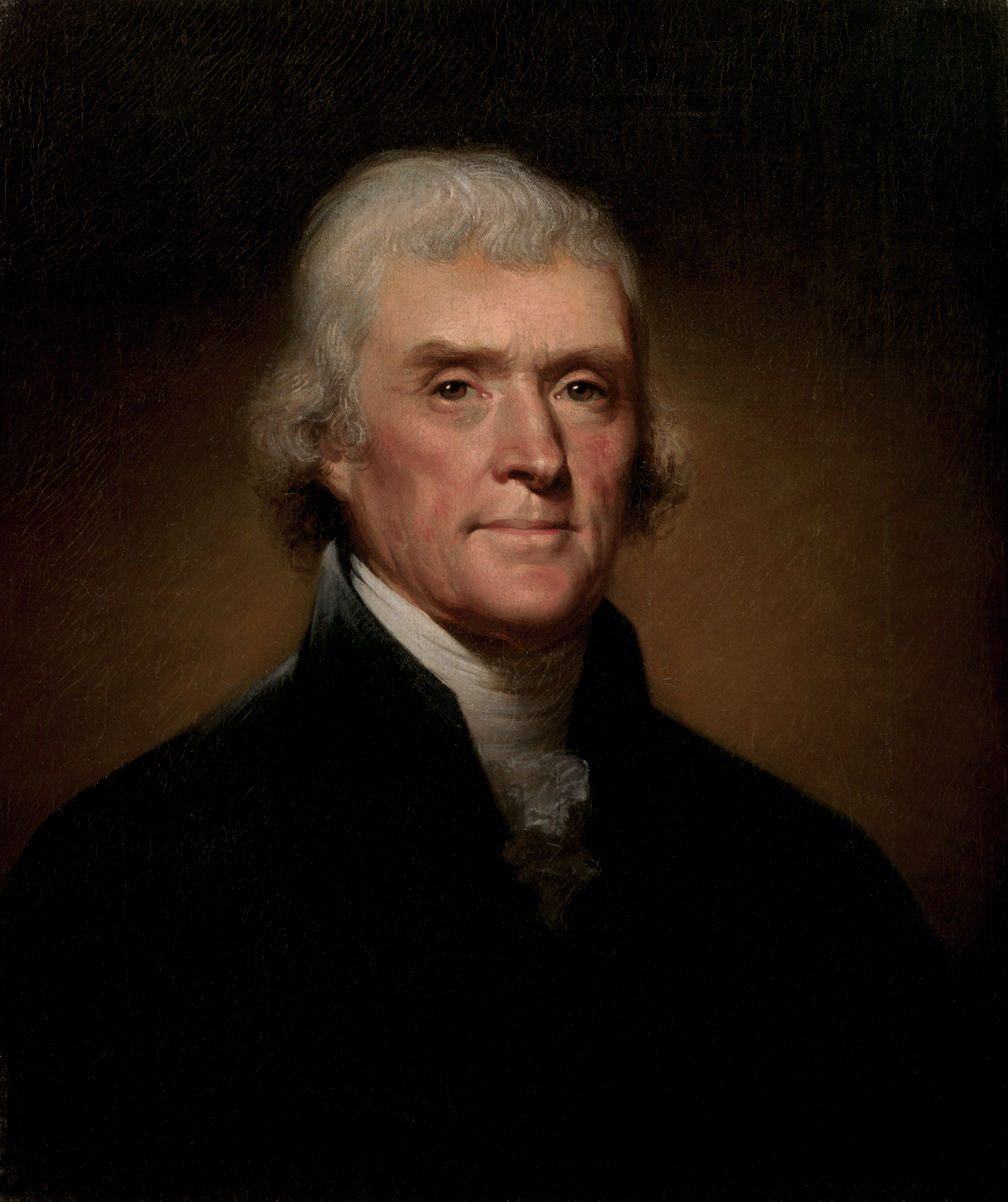
The Lewis and Clark Expedition did not begin with a map or a boat. It began with an obsession. Thomas Jefferson had dreamed of a transcontinental American expedition for nearly two decades before he had the political authority and geographic justification to launch one. Understanding why the expedition happened requires understanding three overlapping forces: Jefferson's lifelong fascination with the West, the sudden availability of the Louisiana Territory, and the fierce competition among European powers for control of North America's Pacific Coast.
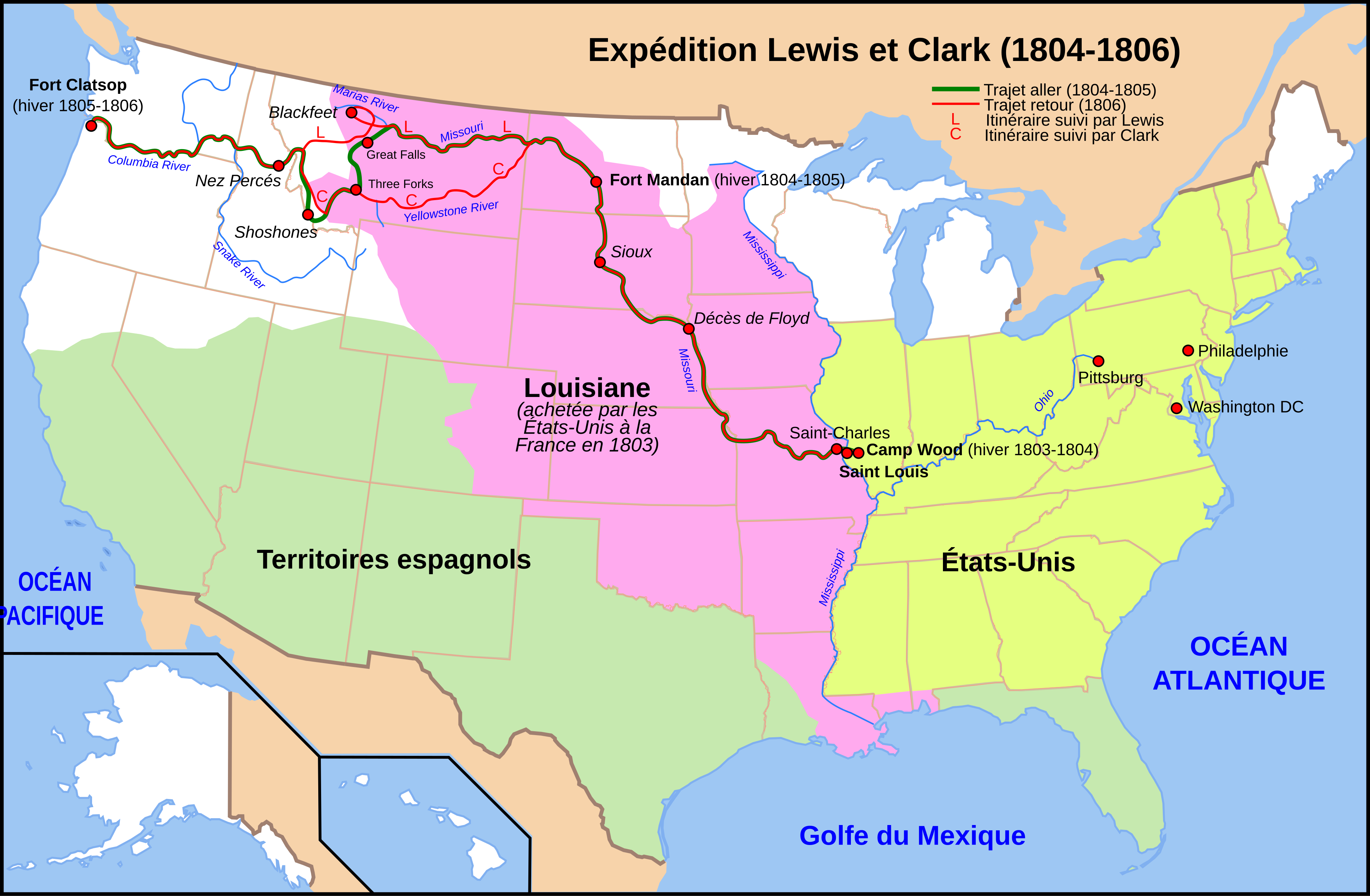
Jefferson believed, as many of his era did, in the existence of a "Northwest Passage" -- a practical water route connecting the Missouri River system to the Pacific Ocean through the Rocky Mountains. Such a route would give American merchants direct access to the lucrative China trade without having to sail around South America or Africa. He was wrong about the Northwest Passage (no such practical water route exists through the Rockies), but the search for it drove the expedition westward with genuine urgency.
Jefferson was also a scientist. He was President of the American Philosophical Society, the leading scientific organization in the United States, and he had a voracious appetite for natural knowledge. The West was, from a scientific standpoint, entirely unknown. What animals lived there? What plants? What Native nations? What were the soils like, the climate, the mineral resources? Jefferson wanted to know everything.
The Louisiana Purchase -- The Trigger
Jefferson had been quietly planning a western expedition for years, but two political obstacles stood in his way: the territory was owned by France and Spain, and Congress would never fund an expedition into foreign sovereign land. Both obstacles dissolved in a single transaction in April 1803.
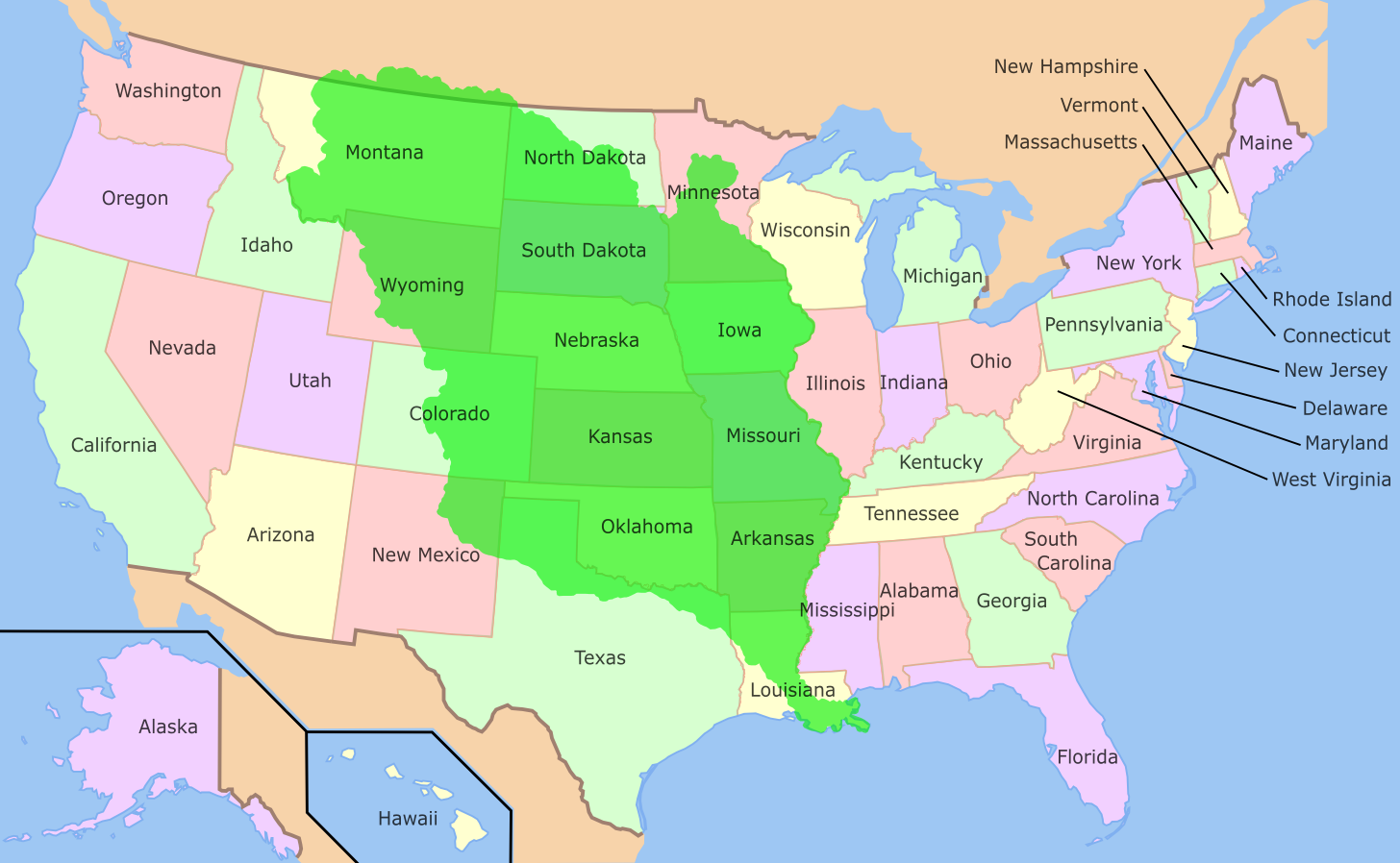
Napoleon Bonaparte had acquired Louisiana from Spain in 1800 with the intention of building a French empire in the Western Hemisphere, anchored by the sugar colonies of Saint-Domingue (modern Haiti). The Haitian Revolution, led by Toussaint Louverture and later Jean-Jacques Dessalines, destroyed that plan. By 1803, with French forces devastated by yellow fever and guerrilla warfare in Haiti, Napoleon abandoned his American ambitions. He needed money for the coming war with Britain. He offered Jefferson the entire Louisiana Territory -- 828,000 square miles -- for $15 million.
Jefferson had doubts about the constitutional authority to purchase foreign territory, but he set them aside. The purchase was too important to refuse. On April 30, 1803, the deal was signed in Paris. The United States doubled in size overnight. And now the land west of the Mississippi -- including the Missouri River, which Lewis and Clark were already preparing to explore -- was American territory.
The Mission -- What Jefferson Actually Wanted
Jefferson's formal instructions to Lewis, sent June 20, 1803, laid out five primary objectives in order of priority:
Find the Northwest Passage
The object of your mission is to explore the Missouri River, and such principal stream of it as, by its course and communication with the waters of the Pacific Ocean, may offer the most direct and practicable water communication across this continent, for the purposes of commerce.
Establish Diplomatic Relations with Native Nations
Make the Native nations aware of the transfer of sovereignty to the United States. Establish peaceful relations. Assess the state of inter-tribal politics. Identify which nations were most strategically important for American trade.
Conduct a Scientific Survey
Observe and document soil, climate, flora, fauna, minerals, and any evidence of prehistoric animals. Collect specimens. Take astronomical observations at key geographic points to establish latitude and longitude.
Assess Commercial Potential
Evaluate the fur trade potential of the region. Identify what goods Native nations would want in exchange for furs. Assess whether American commercial interests could compete with the British fur trade already operating on the upper Missouri.
Document Everything
Keep detailed daily journals. Record everything. Map everything. Send regular dispatches downstream whenever possible. The records of this expedition are as important as the expedition itself.
Commissioning the Expedition
In January 1803, before the Louisiana Purchase was even completed, Jefferson sent a secret message to Congress requesting a $2,500 appropriation for a "literary expedition" -- the word "literary" being a diplomatic euphemism for scientific, designed to obscure the politically sensitive nature of sending American soldiers into French and Spanish territory. Congress approved the funding in February 1803.
Jefferson had already selected his commander: Meriwether Lewis, his personal secretary and a capable army officer who had grown up near Jefferson's Monticello in Virginia. Lewis spent the spring of 1803 in Philadelphia studying botany, zoology, celestial navigation, and medicine with some of the leading scientists in the country. Jefferson personally tutored him in the natural history observations he would be expected to make.
Lewis then invited William Clark to share command. Clark had been Lewis's commanding officer in the army years earlier, and Lewis trusted him completely. Clark accepted by letter in July 1803, writing that "no man lives with whom I would prefer to undertake such a trip." Jefferson gave Lewis the rank of captain; the War Department, in a bureaucratic slight that rankled throughout the expedition, gave Clark only a lieutenant's commission. Lewis refused to acknowledge the difference -- he addressed Clark as "Captain Clark" for the entire journey, and the men under their command were never told otherwise.