
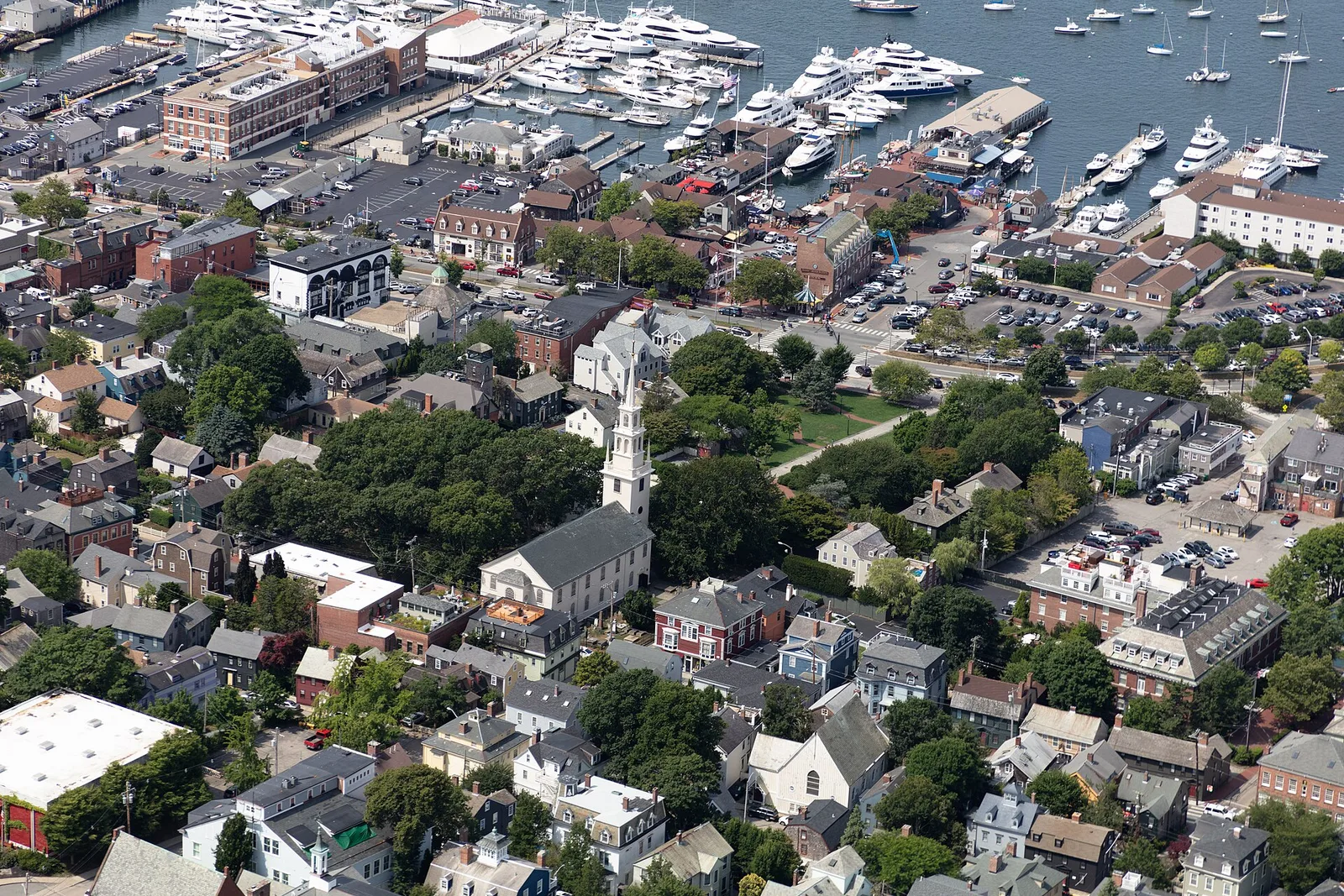
Newport, Rhode Island has been one of the most important sites in American music history. The Newport Jazz Festival, founded in 1954, is the oldest jazz festival in the United States and launched the careers of countless musicians. The Newport Folk Festival, founded in 1959, is the venue where Bob Dylan famously 'went electric' in 1965, one of the defining moments in rock and roll history.
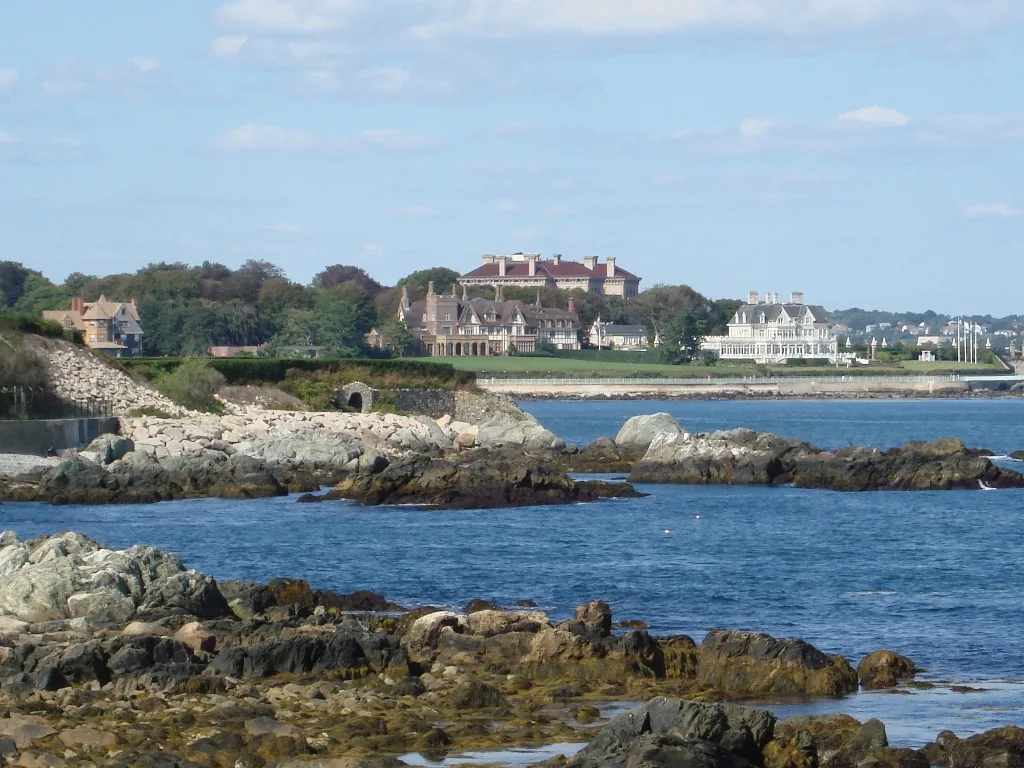
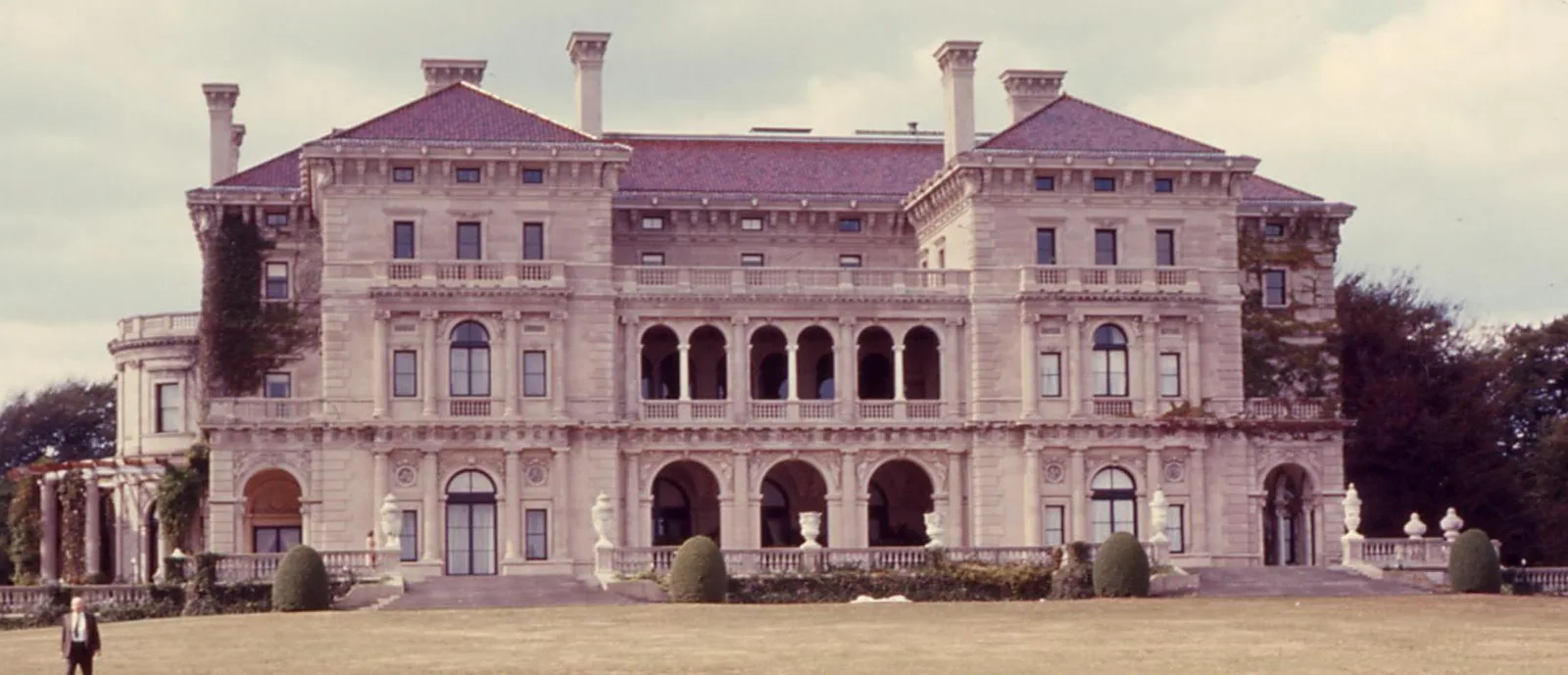
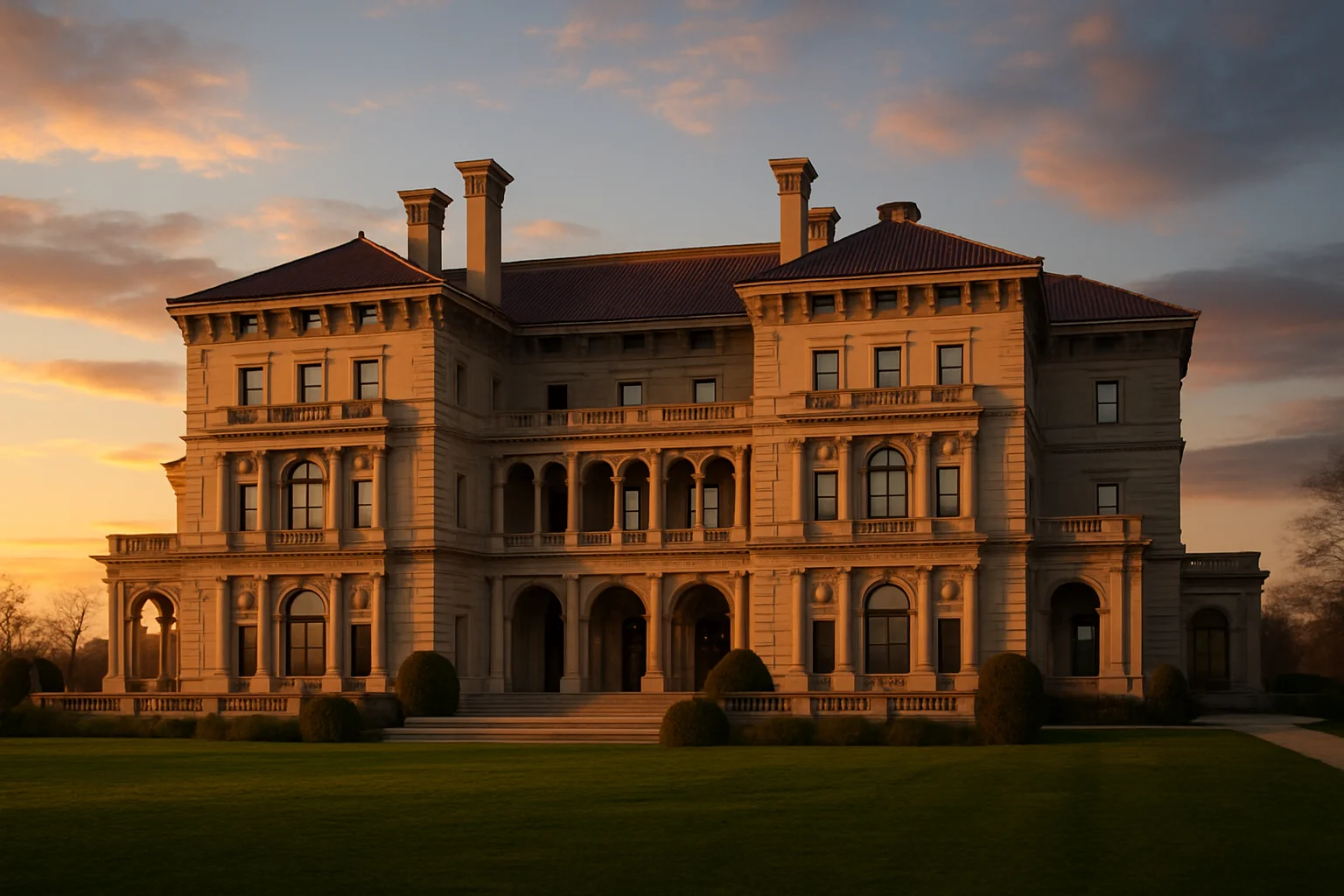
Both festivals continue annually and remain among the most prestigious and culturally resonant music events in the country. The juxtaposition of America's most aristocratic architecture with its most democratic art forms, jazz and folk, is quintessentially Newport.
George Wein started the Jazz Festival in 1954 with backing from the Newport socialites Elaine and Louis Lorillard. The 1956 performance in which Duke Ellington's band, powered by a 27-chorus tenor saxophone solo from Paul Gonsalves, revived Ellington's flagging career was captured on one of the best-selling jazz albums ever made, and the 1958 festival was filmed as the landmark concert documentary 'Jazz on a Summer's Day.'
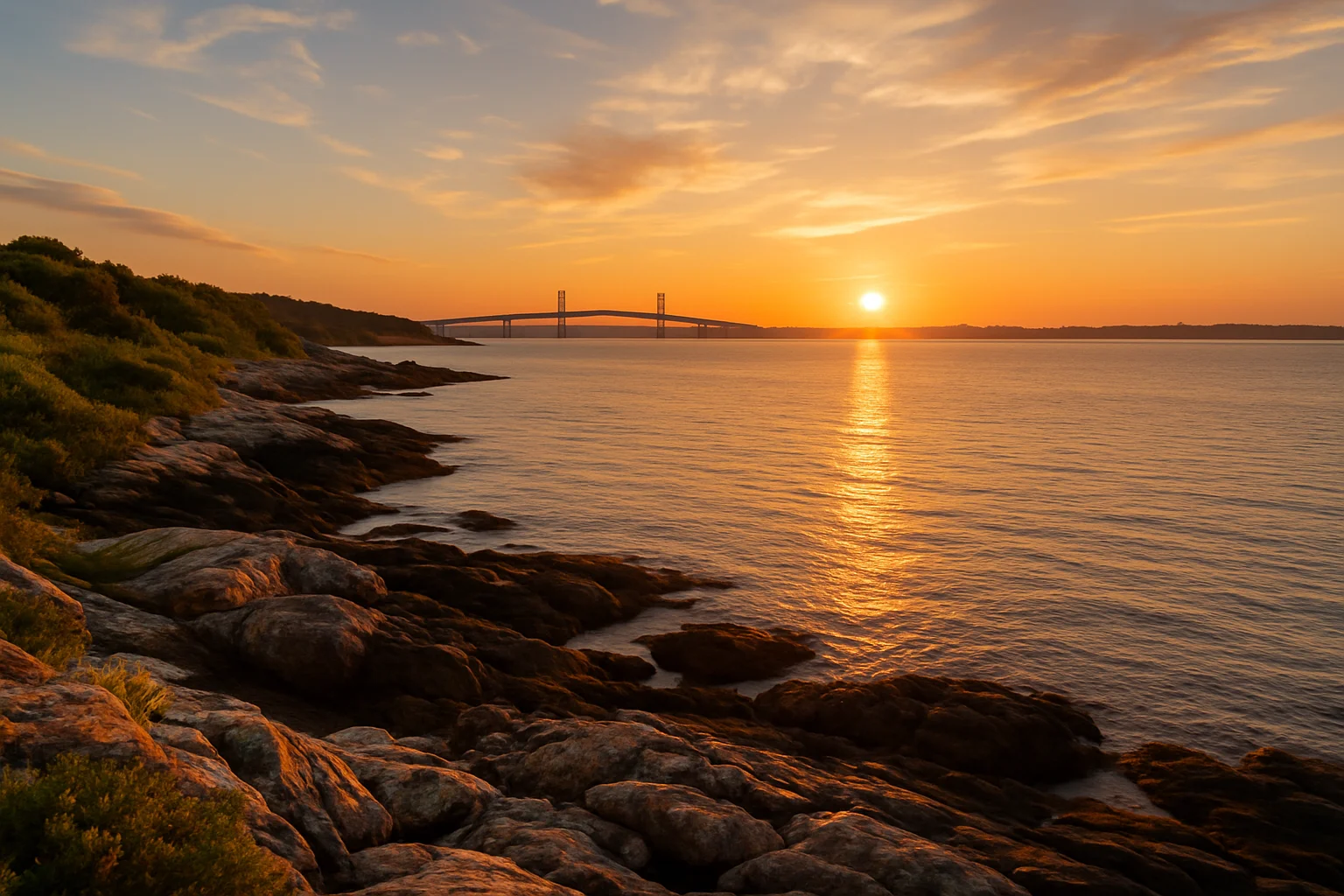
The Folk Festival helped launch Joan Baez, who in turn introduced Bob Dylan there in 1963; his electric set on July 25, 1965, backed by members of the Paul Butterfield Blues Band, drew boos and a famous backstage argument and is often treated as the moment folk purism broke. After a hiatus and changes of ownership, both festivals are now run by a nonprofit Wein created and still sell out Fort Adams State Park each summer.