
The Vice President
Second in command, first in the line of succession, and the most constitutionally underutilized job in the federal government.
What Is the Vice President?
The Vice President is the second-highest office in the United States government. They're elected alongside the president as a running mate, voters pick them as a package deal. But once in office, the VP's actual day-to-day role is surprisingly limited by the Constitution. John Adams, the first VP, famously described the job as "the most insignificant office that ever the invention of man contrived."
And yet, the VP is one heartbeat away from the most powerful job on earth. Nine vice presidents have gone on to become president by succession, and six more were later elected in their own right. That single fact makes the office far more important in practice than its formal job description suggests.
For most of American history, though, the job really was minor. Nineteenth-century vice presidents often had no office in the White House, were rarely consulted, and are largely forgotten today. The modern, empowered vice presidency dates to 1977, when Walter Mondale became the first VP to get a West Wing office, the same daily intelligence briefing as the president, and a standing weekly private lunch, an arrangement every administration has kept since.
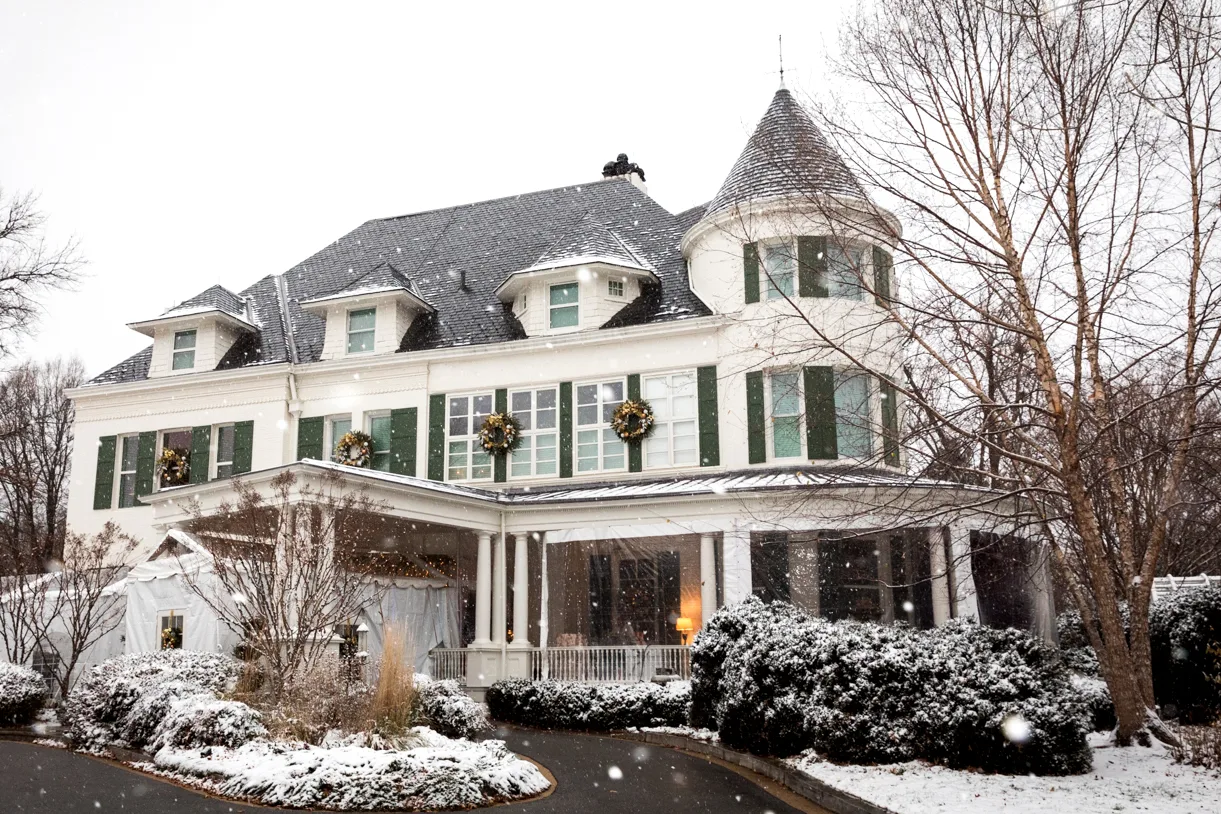
The vice president and the president are the only two officials elected by the entire nation. The VP earns about $235,100 a year, lives in the official residence at Number One Observatory Circle in Washington (assigned to the office in 1974), travels on the aircraft known as Air Force Two, and has a full Secret Service detail, a staff, and an official seal and flag of the office.
Why Does the Office Exist?
The founders created the vice presidency for two practical reasons. First, they needed someone to preside over the Senate , a neutral figure who could manage debate without being a senator themselves. Second, they needed a clear line of succession in case a president died, resigned, or was removed.
The original design was unusual: the person who came in second in the Electoral College became VP. So in 1796, John Adams won the presidency and his opponent Thomas Jefferson became his vice president. This led to obvious friction between a president and a VP from opposing factions.
The runner-up rule made a certain sense to the framers, who did not anticipate political parties and imagined the two most trusted national figures serving together. Once parties formed almost immediately in the 1790s, the design guaranteed a divided executive, which is exactly what the Adams-Jefferson pairing produced.
The 12th Amendment did more than separate the ballots. It also provided that anyone constitutionally ineligible to be president is ineligible to be vice president, and it narrowed the House's fallback choice of a president to the top three electoral-vote finishers. After 1804, presidential candidates chose running mates to balance the ticket, by region, by faction, or by wing of the party, a calculation that still shapes how vice presidents are picked today.
The 1800 Crisis That Changed Everything
In 1800, Thomas Jefferson and Aaron Burr were running mates , but they each got the same number of electoral votes, throwing the election to the House of Representatives. It took 36 ballots to elect Jefferson. This disaster prompted the 12th Amendment (1804), which required electors to cast separate votes for president and vice president. From that point on, running mates were elected together as a team.
What the Constitution Says
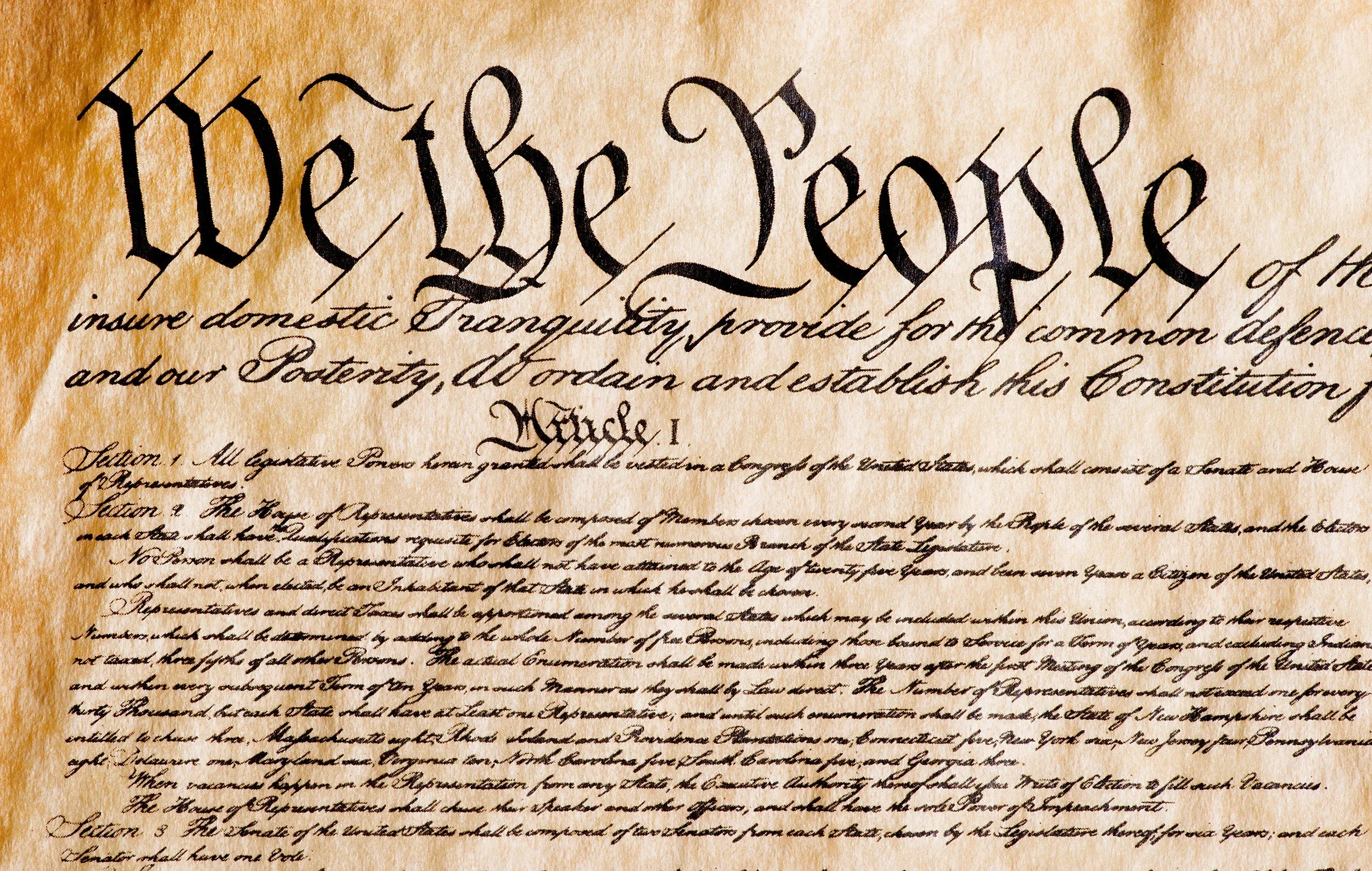
Article II, where the VP is established (Public Domain)
The vice presidency is mentioned in several places in the Constitution, but the actual job description is remarkably brief. The founders gave the VP just one formal duty , presiding over the Senate, and left everything else up to the president and circumstances.
The requirements to become VP are identical to the presidency: at least 35 years old, a natural-born US citizen, and a resident of the US for at least 14 years.
Article I, Section 3
"The Vice President of the United States shall be President of the Senate, but shall have no Vote, unless they be equally divided."
Article II, Section 1
"In Case of the Removal of the President from Office, or of his Death, Resignation, or Inability to discharge the Powers and Duties of the said Office, the Same shall devolve on the Vice President."
12th Amendment (1804)
"The Electors shall meet in their respective states and vote by ballot for President and Vice-President, one of whom, at least, shall not be an inhabitant of the same state with themselves..."
In short: The VP runs the Senate but only votes to break a tie. If the president can't serve, the VP takes over. President and VP are elected together on the same ticket.
What Does the VP Actually Do?
The Constitution gives the VP just one real job. But in modern presidencies, vice presidents have taken on much larger roles. Here's how the office actually works today:
President of the Senate
The VP's only formal constitutional duty. They preside over Senate sessions, managing debate, recognizing speakers, and keeping order. In practice, this role is almost entirely ceremonial and is usually handled by the President Pro Tempore or junior senators. The VP only shows up when their vote might be needed.
Tie-Breaking Vote in the Senate
When the Senate is split 50-50, the VP casts the deciding vote. This is rare but hugely consequential. VP Kamala Harris cast a record 33 tie-breaking votes in her term, breaking the all-time mark of 31 set by John C. Calhoun. VP Mike Pence cast 13. A single tie-breaking vote has passed major legislation that shaped the country.
Counts the Electoral College Votes
On January 6th following a presidential election, the VP presides over a joint session of Congress to officially count and certify the Electoral College votes. This is largely ceremonial, but the January 6, 2021 events put this normally routine duty at the center of national attention.
Whatever the President Assigns
Beyond the formal duties, the VP's actual workload is entirely up to the president. Modern VPs lead major policy initiatives, represent the US on diplomatic trips, serve as key advisers, break gridlock in Congress, and serve as the president's most important political ally. Dick Cheney was considered one of the most powerful VPs in history. Others have had much smaller roles.
Be Ready to Be President
The most important unofficial job of any VP. Eight presidents have died in office and one resigned, in each case the VP stepped in immediately. The VP must be fully briefed on all national security matters, have a staff ready to govern, and be prepared to take over on a moment's notice.
The VP and the Senate
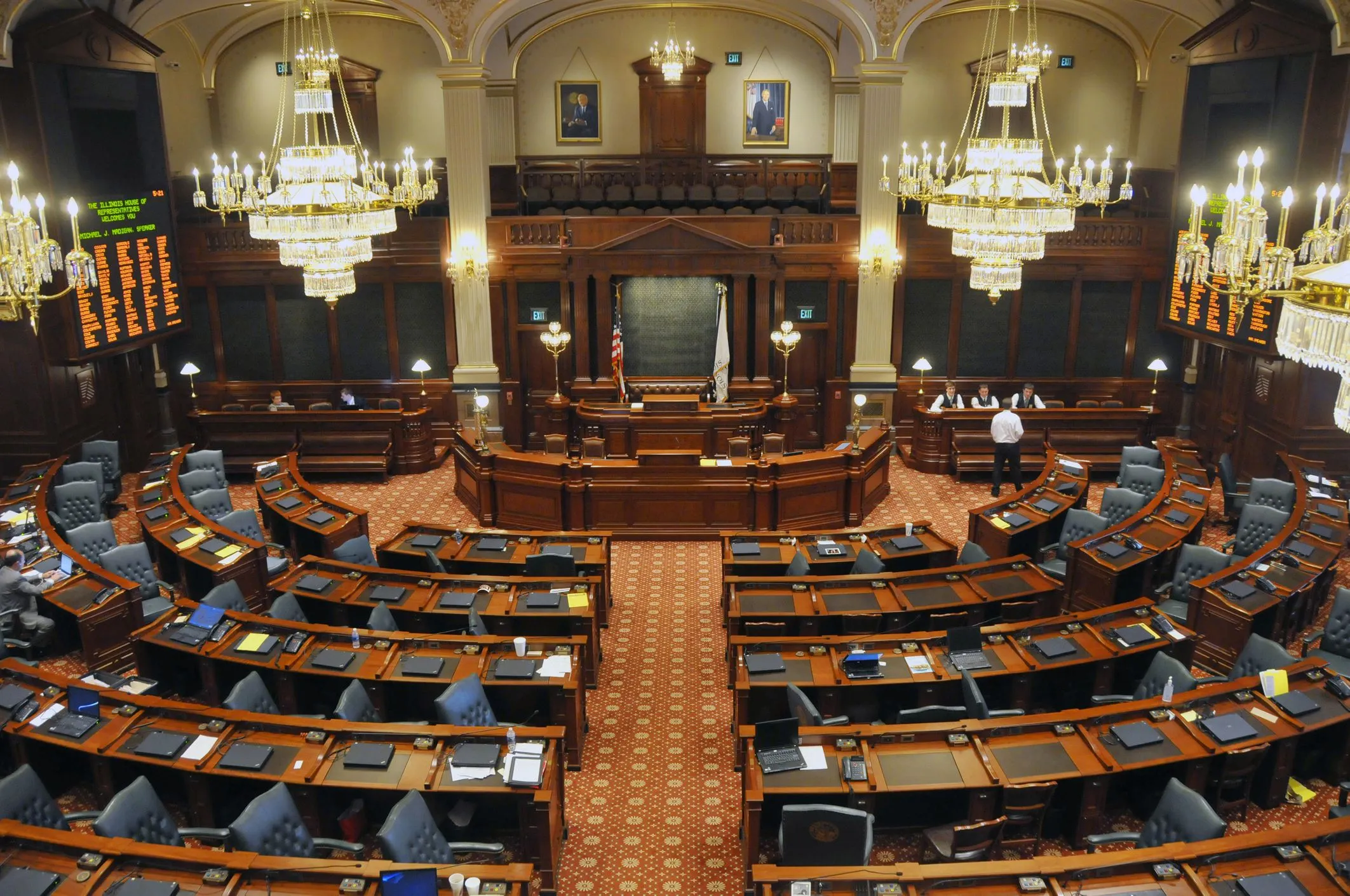
The Senate chamber, where the VP presides and casts tie-breaking votes (Public Domain)
The VP's connection to the Senate creates an interesting constitutional quirk: the VP is simultaneously part of the executive branch (elected with the president) and serves as an officer of the legislative branch (presiding over the Senate). This dual role has led to occasional debates about conflicts of interest and separation of powers.
The Tie-Breaking Record
The January 6th Role
Every four years, the VP presides over the joint session of Congress that certifies the Electoral College results. Until January 6, 2021, this was entirely routine and ceremonial. That day brought unprecedented national attention to a constitutional duty most Americans didn't know existed, and raised lasting questions about the VP's role in the certification process.
The 25th Amendment: When Things Go Wrong
Passed in 1967 after the shock of JFK's assassination exposed gaps in the succession process, the 25th Amendment is the VP's most important constitutional document. It spells out exactly what happens when a president can't do their job. See Presidential Succession & the 25th Amendment for the full statutory line of succession and a section-by-section breakdown:
VP Becomes President if the Seat Is Vacant
If the president dies, resigns, or is removed, the VP immediately becomes president, not acting president, but the full president. This has happened nine times in US history: eight times after a president died and once, for Gerald Ford, after a resignation.
Filling a VP Vacancy
If the VP position becomes vacant (through death, resignation, or succession), the president nominates a new VP who must be confirmed by a majority vote in both chambers of Congress. Gerald Ford and Nelson Rockefeller both became VP through this process.
President Voluntarily Transfers Power
If the president knows they'll be temporarily unable to serve, such as during surgery, they can send written notice to Congress. The VP becomes acting president until the president sends another letter saying they're able to resume.
Involuntary Transfer of Power
If the VP and a majority of the Cabinet believe the president is unable to perform their duties, even if the president disagrees, they can transmit a written declaration to Congress. The VP immediately becomes acting president. The president can contest it; Congress then has 21 days to decide by a two-thirds supermajority. This section has never been invoked.
The 15 VPs Who Became President
The vice presidency has been called a stepping stone, and the numbers back that up. Fifteen of the 50 VPs, nearly one in three, have gone on to hold the presidency, nine by succession and six by election:
John Adams (VP #1)
Elected president in 1796, 2nd President
Thomas Jefferson (VP #2)
Elected president in 1800, 3rd President
Martin Van Buren (VP #8)
Elected president in 1836, 8th President
John Tyler (VP #10)
Succeeded after Harrison died 31 days in, 10th President
Millard Fillmore (VP #12)
Succeeded after Taylor died in office, 13th President
Andrew Johnson (VP #16)
Succeeded after Lincoln was assassinated, 17th President
Chester A. Arthur (VP #20)
Succeeded after Garfield was assassinated, 21st President
Theodore Roosevelt (VP #25)
Succeeded after McKinley was assassinated, 26th President
Calvin Coolidge (VP #29)
Succeeded after Harding died in office, 30th President
Harry Truman (VP #34)
Succeeded after FDR died in office, 33rd President
Lyndon B. Johnson (VP #37)
Succeeded after Kennedy was assassinated, 36th President
Richard Nixon (VP #36)
Elected president in 1968, 37th President
Gerald Ford (VP #40)
Succeeded after Nixon resigned, 38th President
George H.W. Bush (VP #43)
Elected president in 1988, 41st President
Joe Biden (VP #47)
Elected president in 2020, 46th President
All 50 Vice Presidents of the United States
Every person who has served as Vice President, from John Adams (1789) to JD Vance (2025).
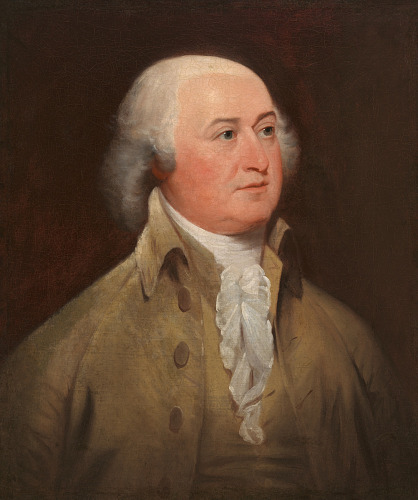
John Adams
1789–1797
Under Washington
FederalistBecame 2nd President
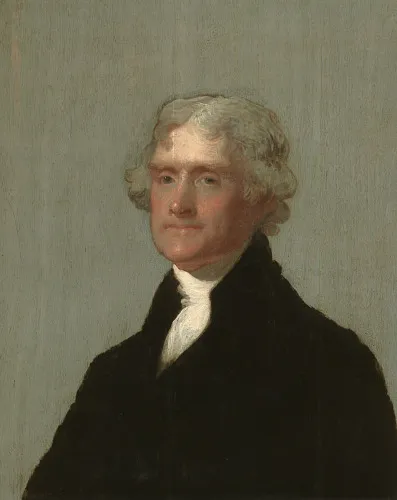
Thomas Jefferson
1797–1801
Under Adams
Dem.-RepublicanBecame 3rd President
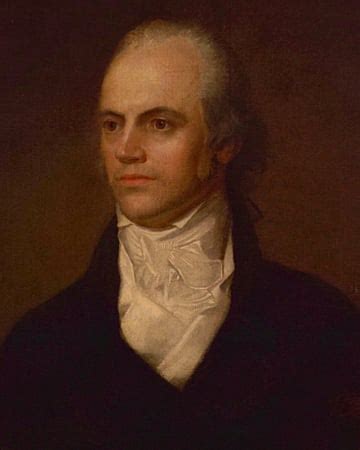
Aaron Burr
1801–1805
Under Jefferson
Dem.-Republican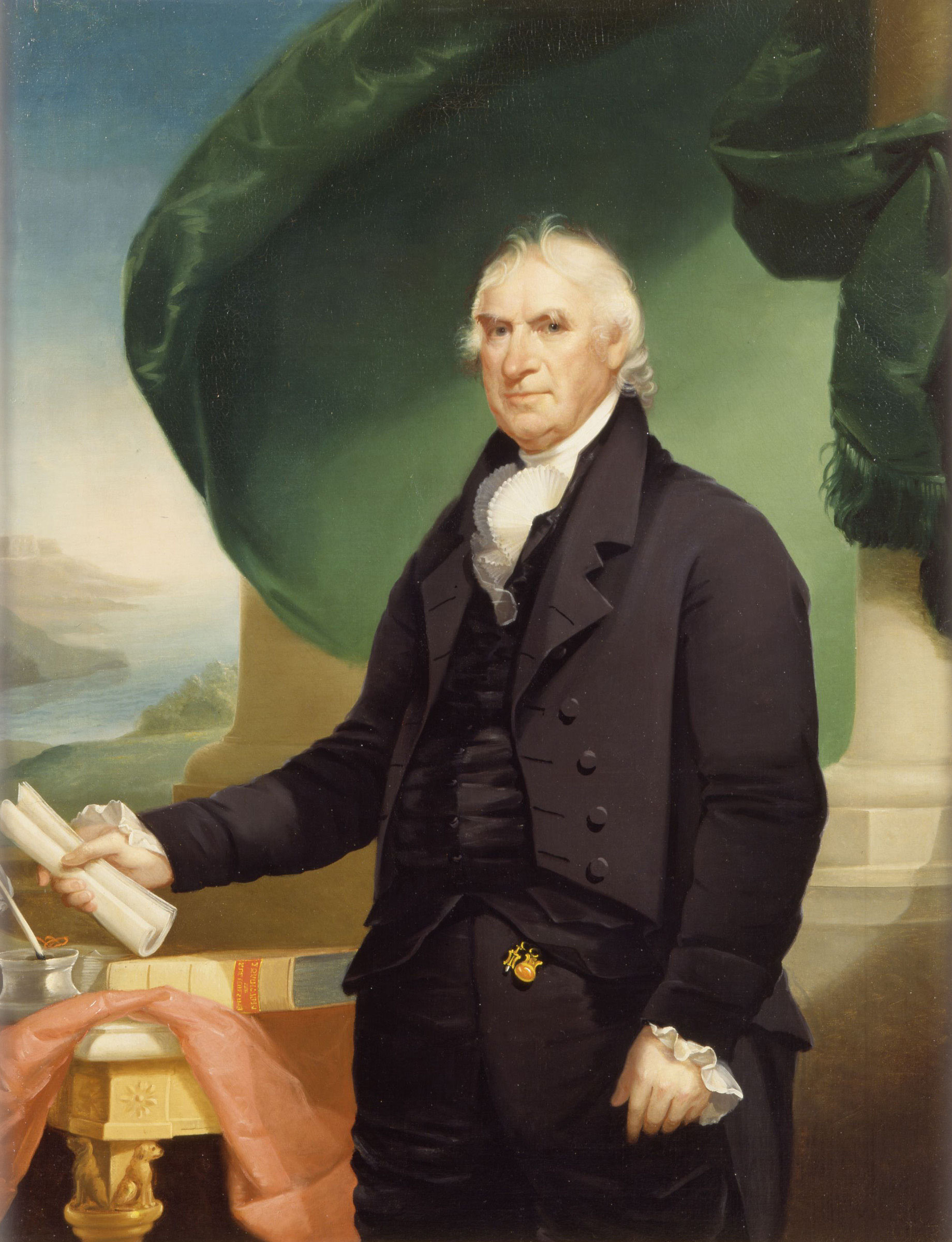
George Clinton
1805–1812
Under Jefferson & Madison
Dem.-RepublicanDied in office
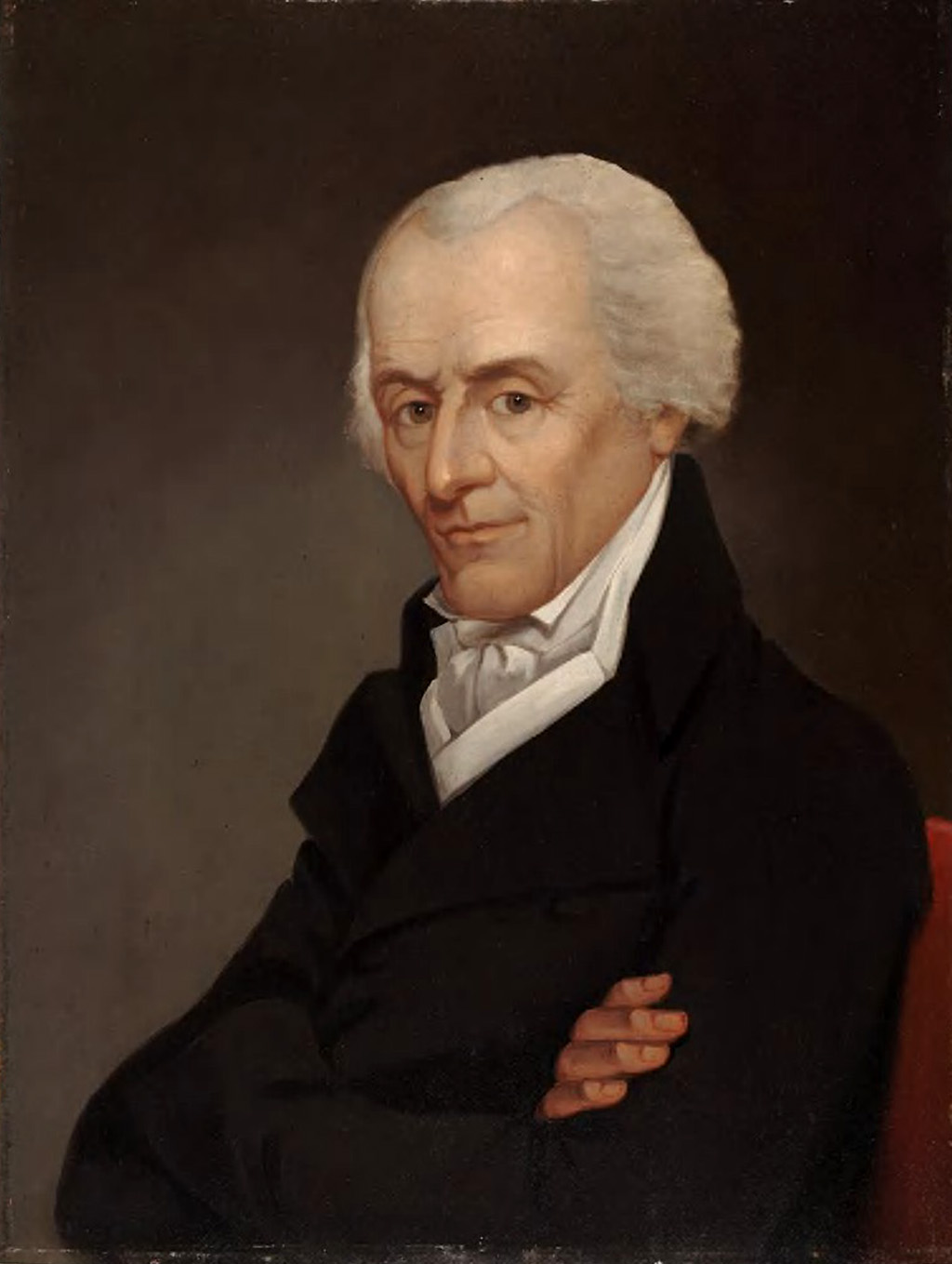
Elbridge Gerry
1813–1814
Under Madison
Dem.-RepublicanDied in office
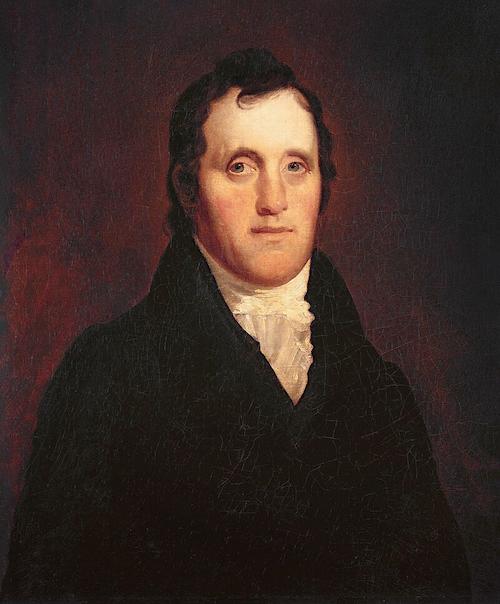
Daniel D. Tompkins
1817–1825
Under Monroe
Dem.-Republican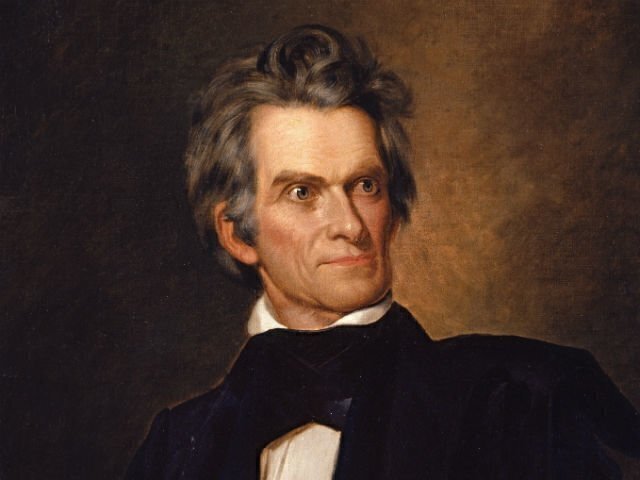
John C. Calhoun
1825–1832
Under Adams & Jackson
Dem.-RepublicanResigned
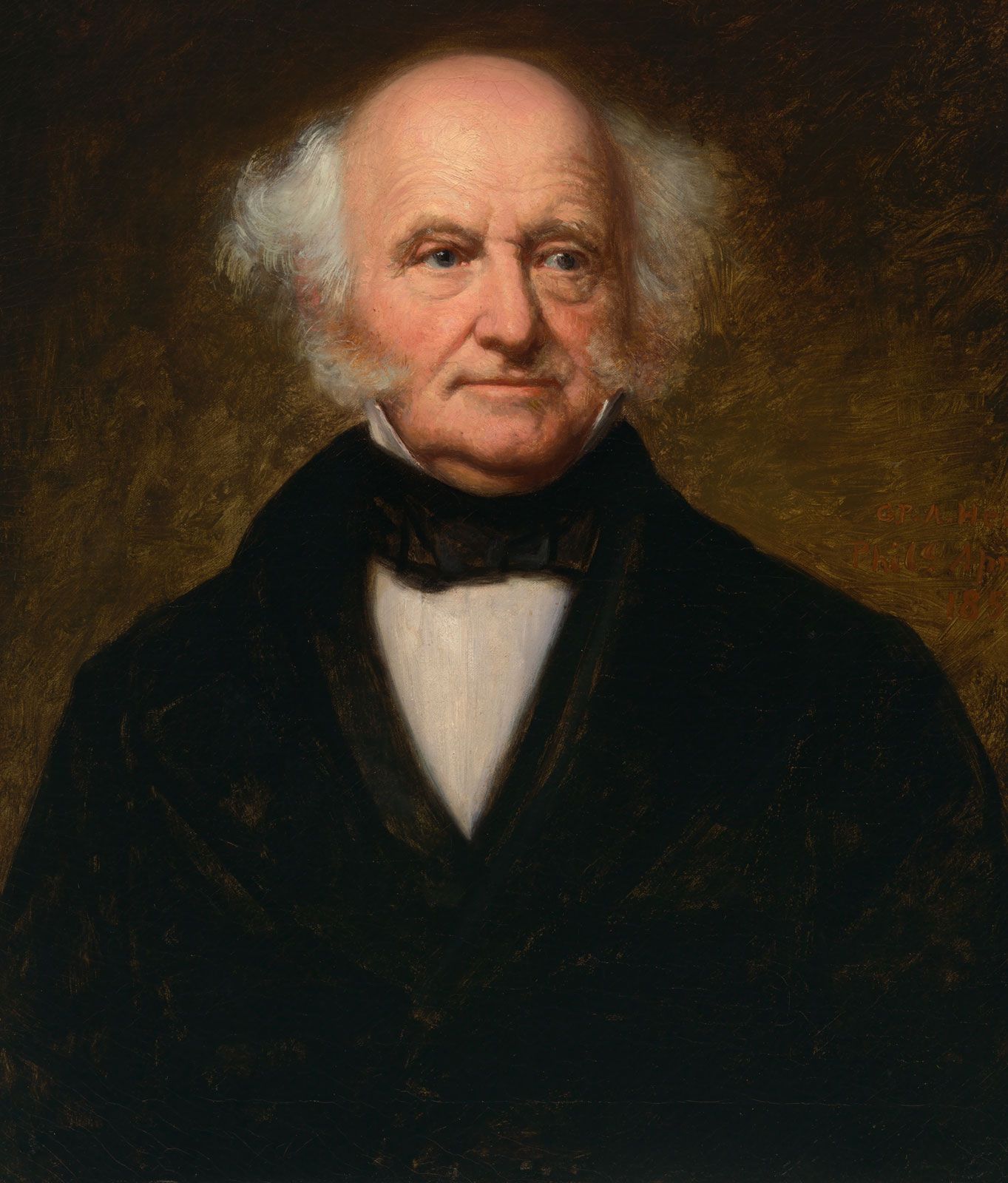
Martin Van Buren
1833–1837
Under Jackson
DemocratBecame 8th President
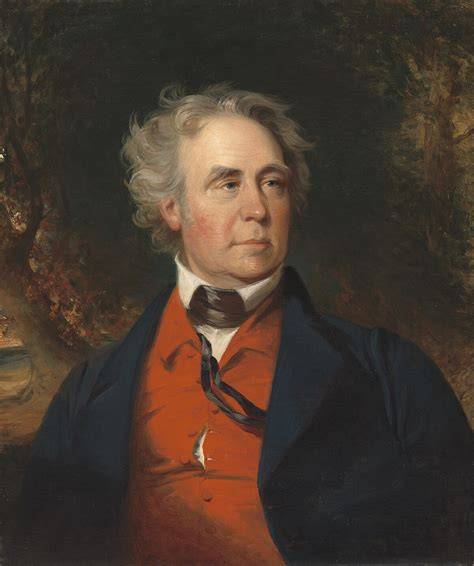
Richard M. Johnson
1837–1841
Under Van Buren
Democrat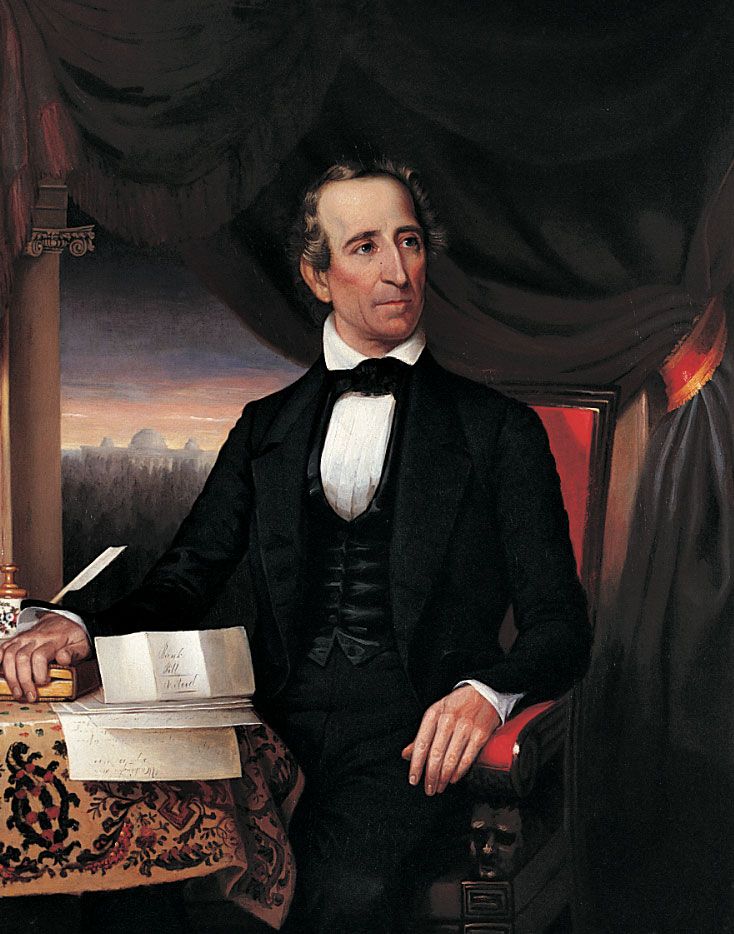
John Tyler
1841
Under Harrison
WhigBecame 10th President
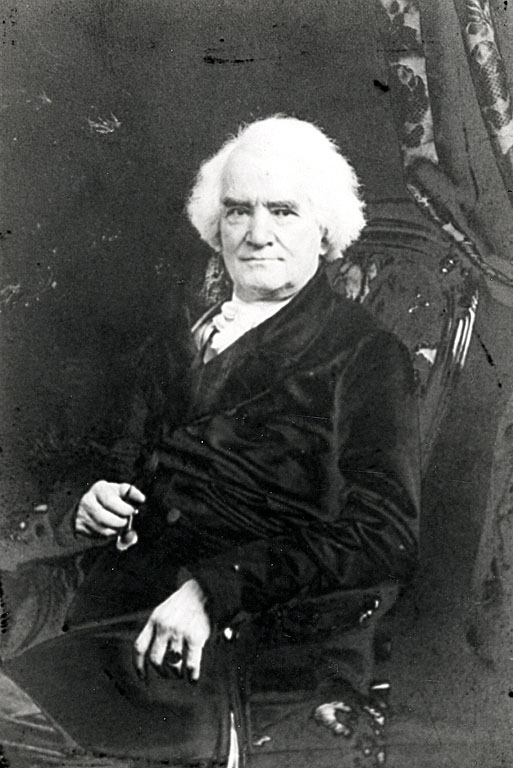
George M. Dallas
1845–1849
Under Polk
Democrat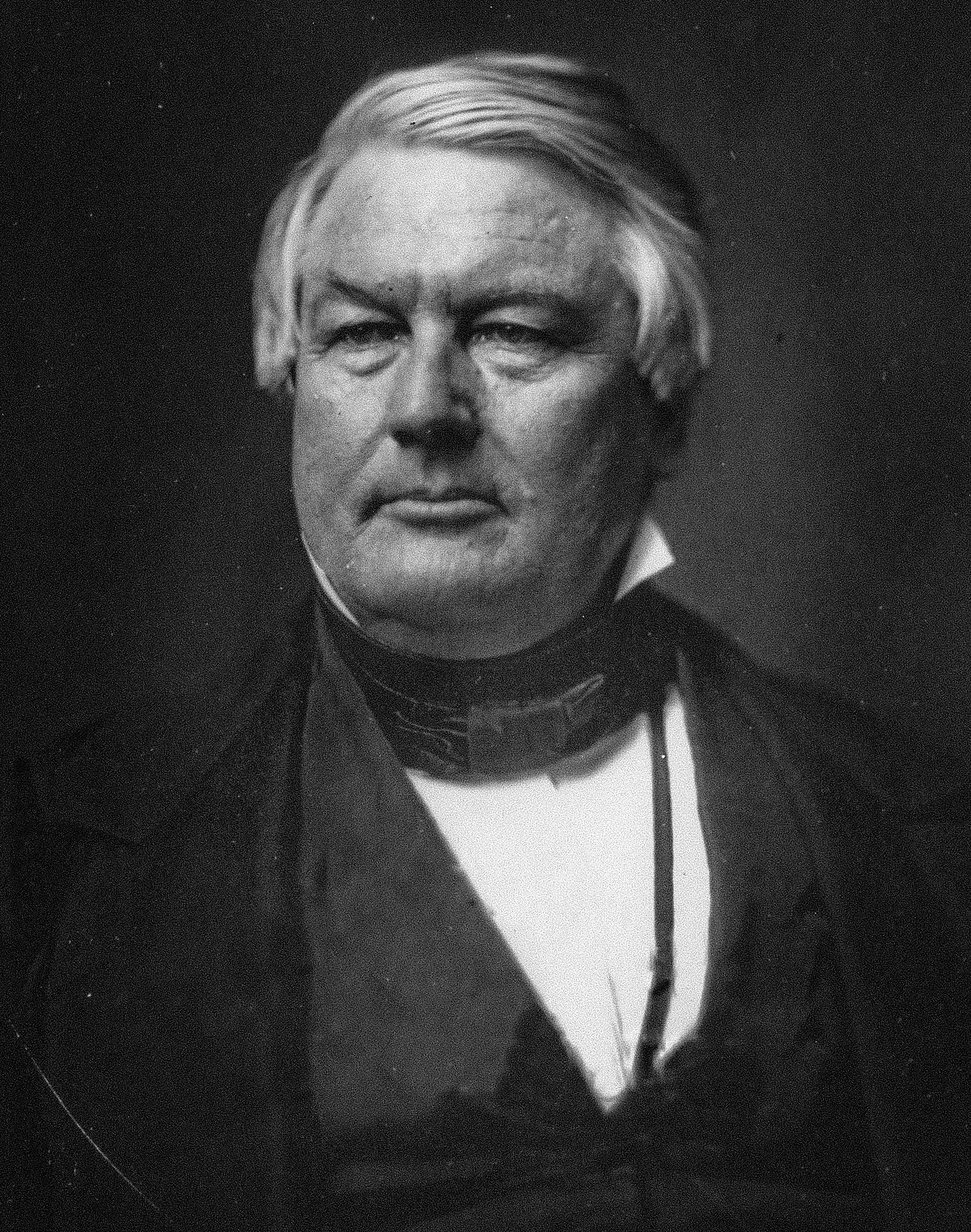
Millard Fillmore
1849–1850
Under Taylor
WhigBecame 13th President
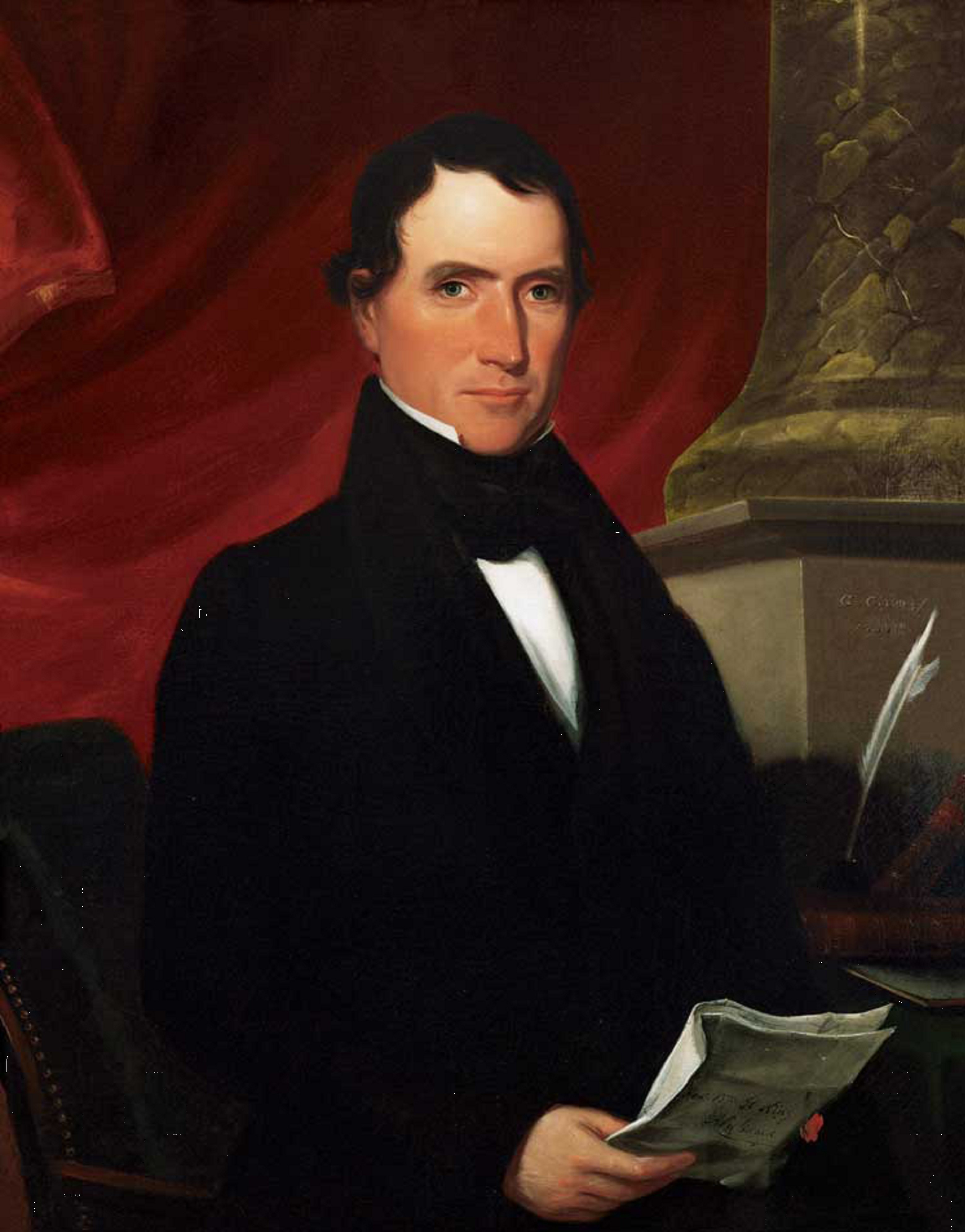
William R.D. King
1853
Under Pierce
DemocratDied in office
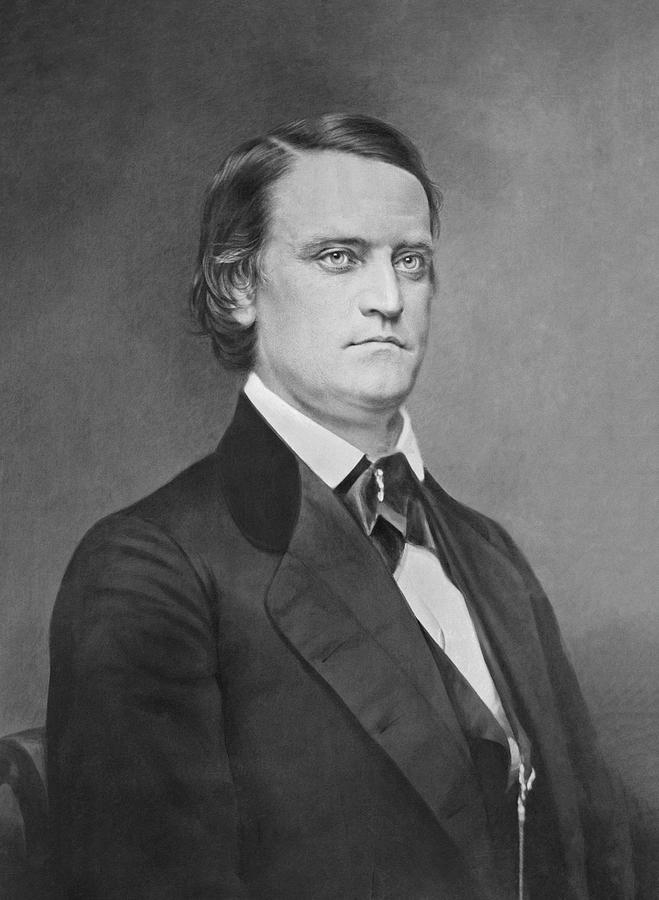
John C. Breckinridge
1857–1861
Under Buchanan
Democrat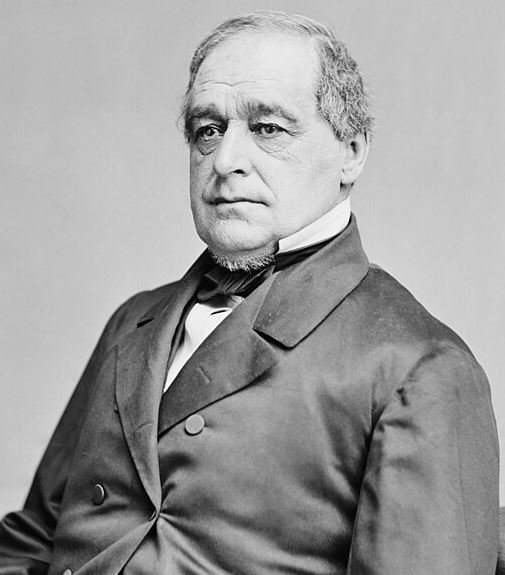
Hannibal Hamlin
1861–1865
Under Lincoln (1st term)
Republican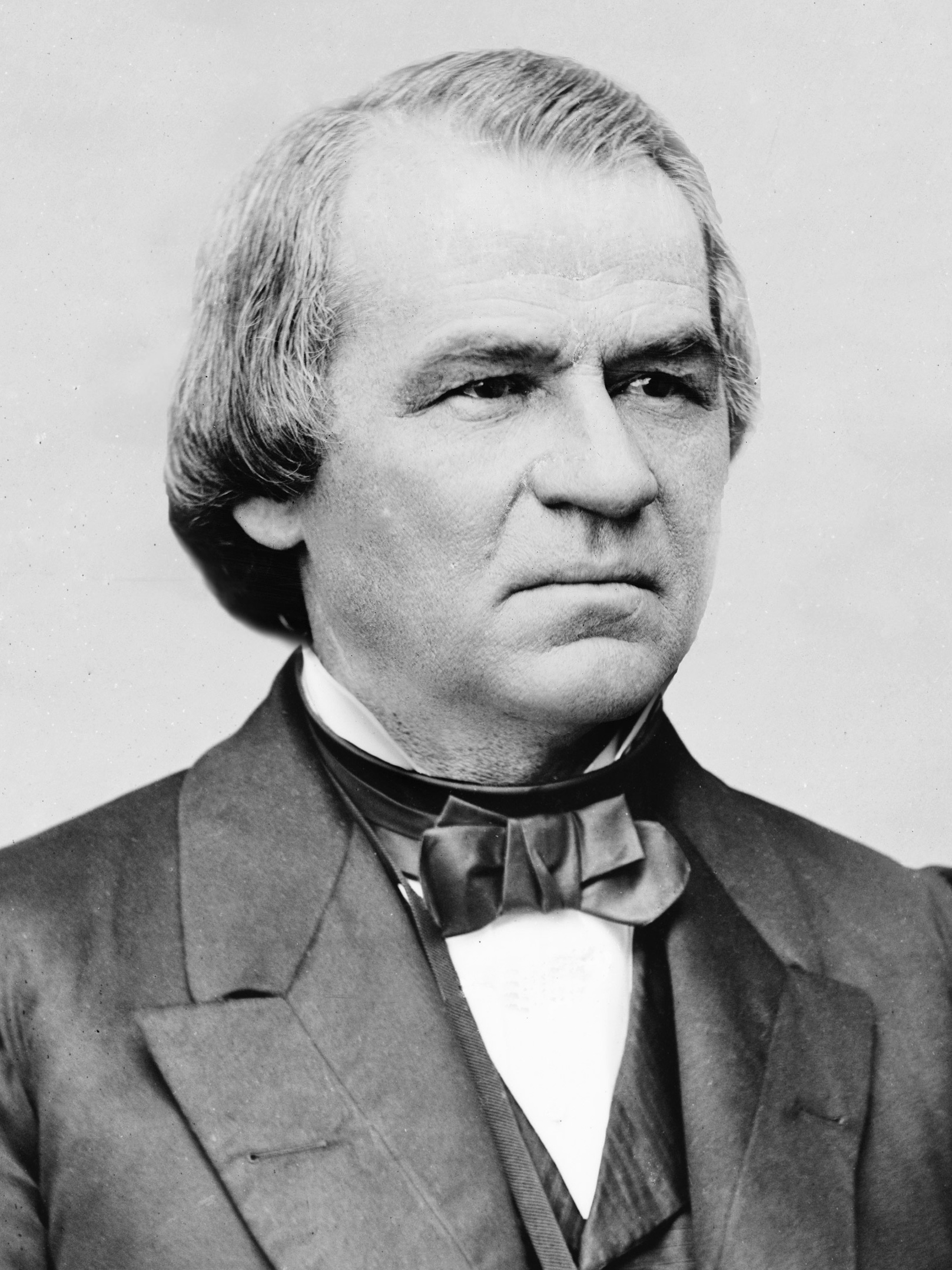
Andrew Johnson
1865
Under Lincoln
DemocratBecame 17th President
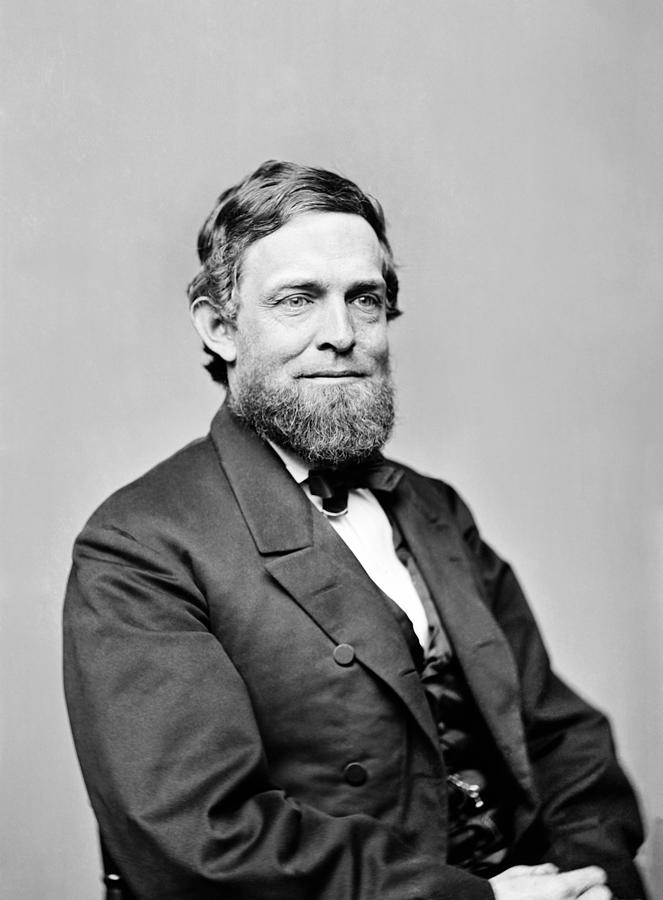
Schuyler Colfax
1869–1873
Under Grant (1st term)
Republican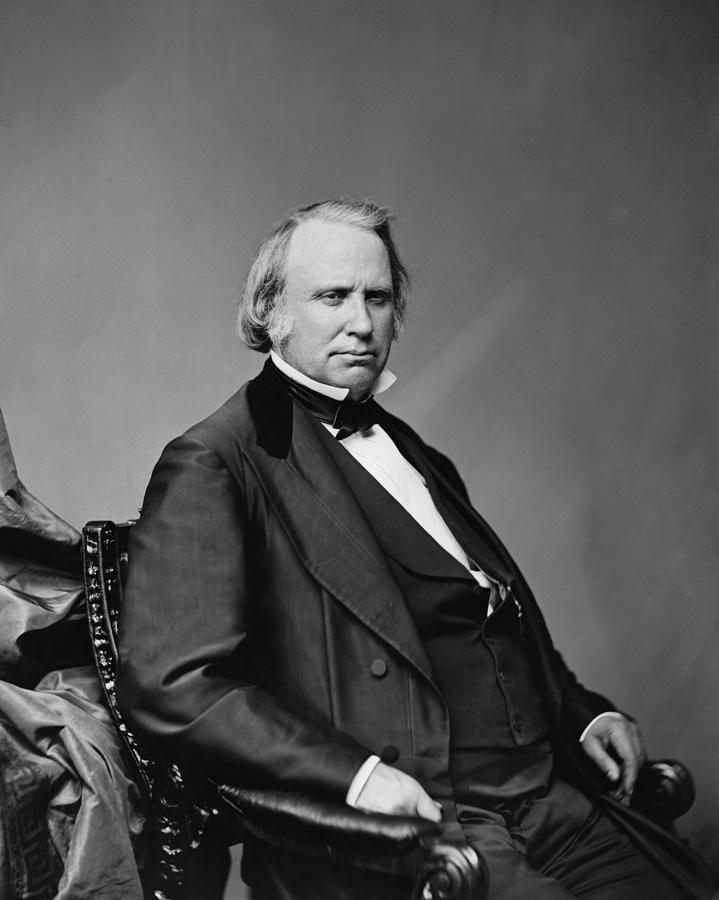
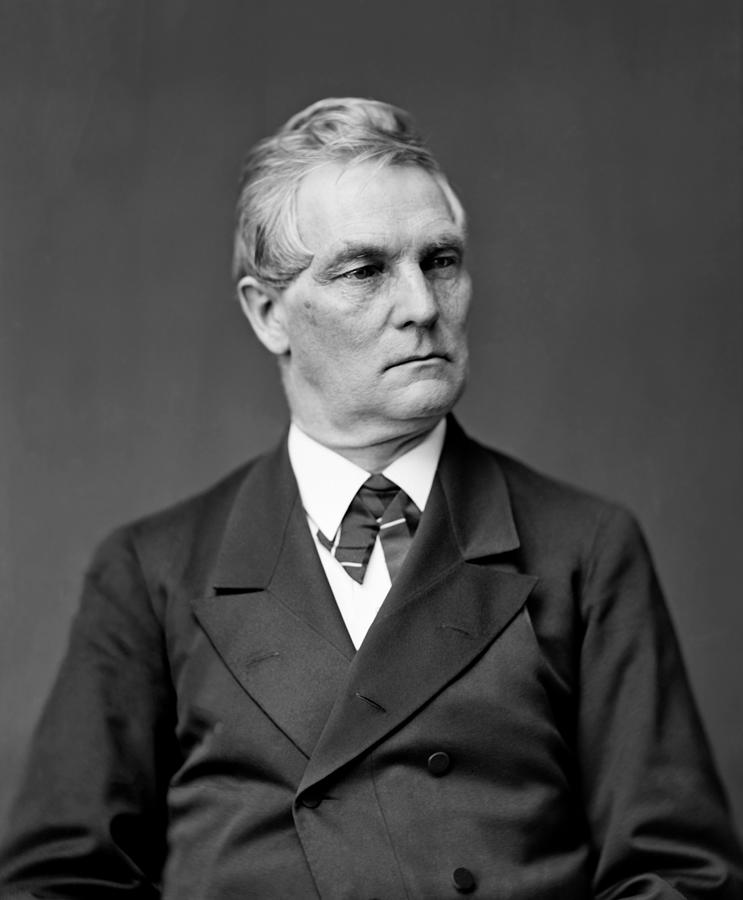
Henry Wilson
1873–1875
Under Grant (2nd term)
RepublicanDied in office
William A. Wheeler
1877–1881
Under Hayes
Republican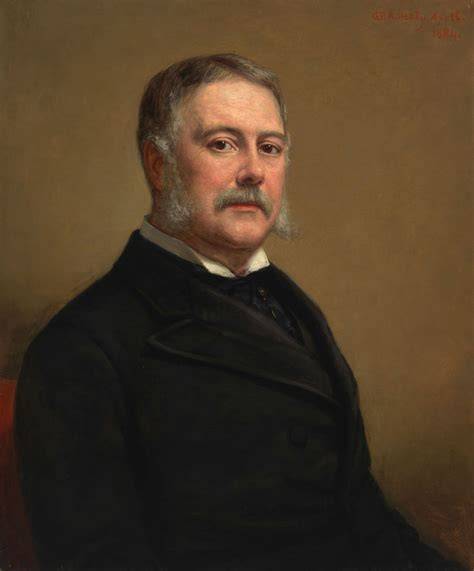
Chester A. Arthur
1881
Under Garfield
RepublicanBecame 21st President
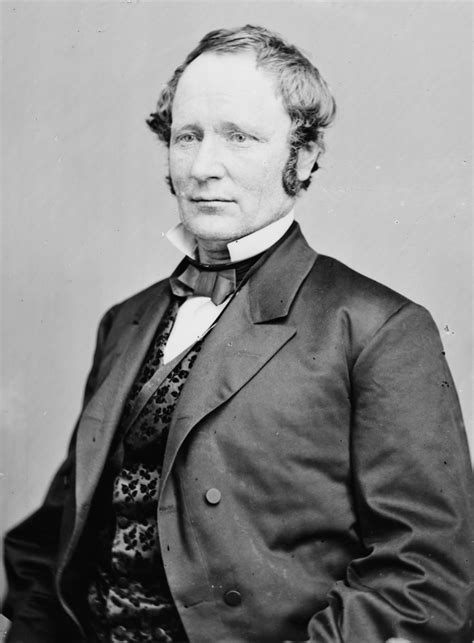
Thomas A. Hendricks
1885
Under Cleveland (1st)
DemocratDied in office
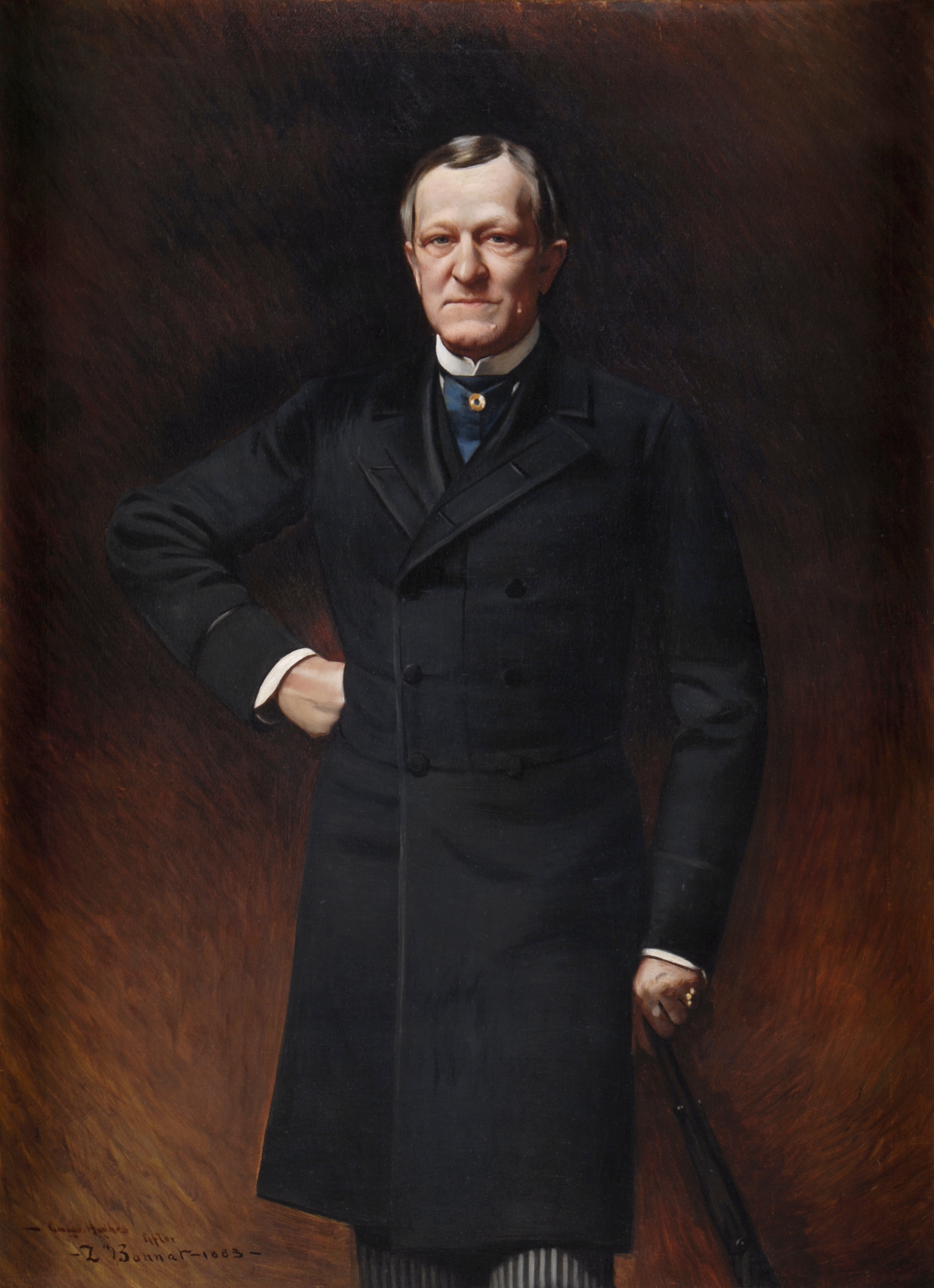
Levi P. Morton
1889–1893
Under B. Harrison
Republican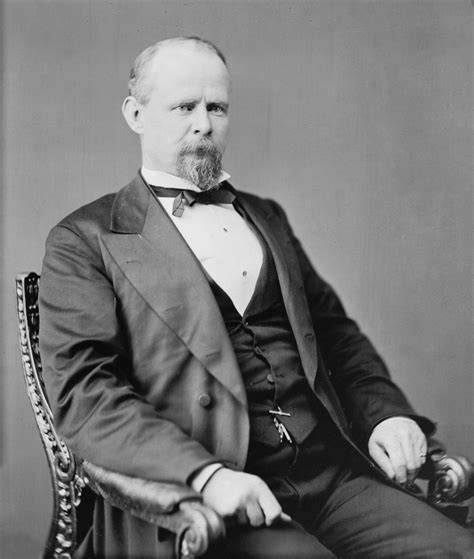
Adlai Stevenson I
1893–1897
Under Cleveland (2nd)
Democrat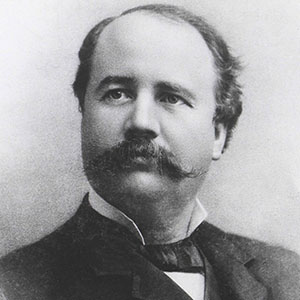
Garret Hobart
1897–1899
Under McKinley
RepublicanDied in office
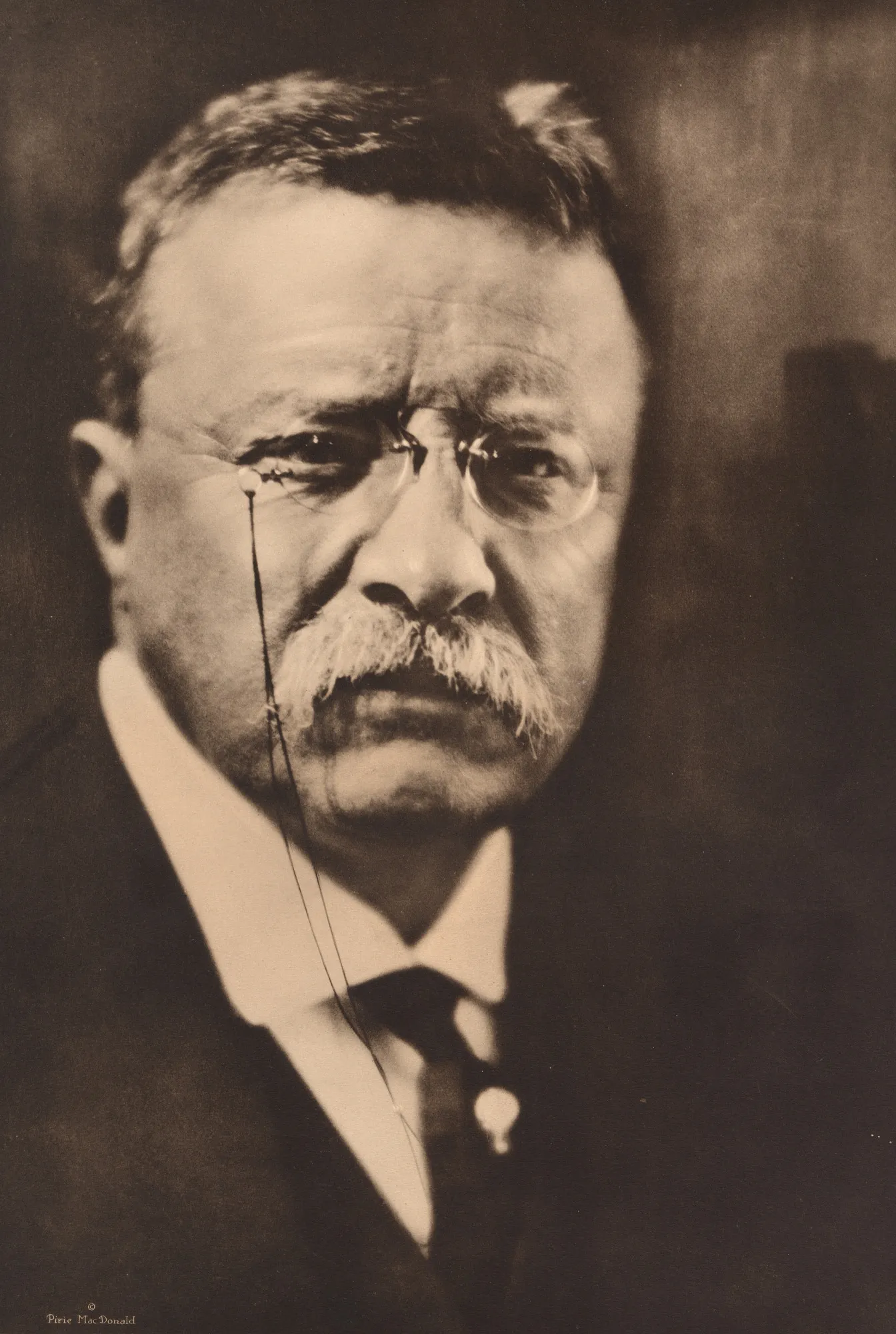
Theodore Roosevelt
1901
Under McKinley
RepublicanBecame 26th President
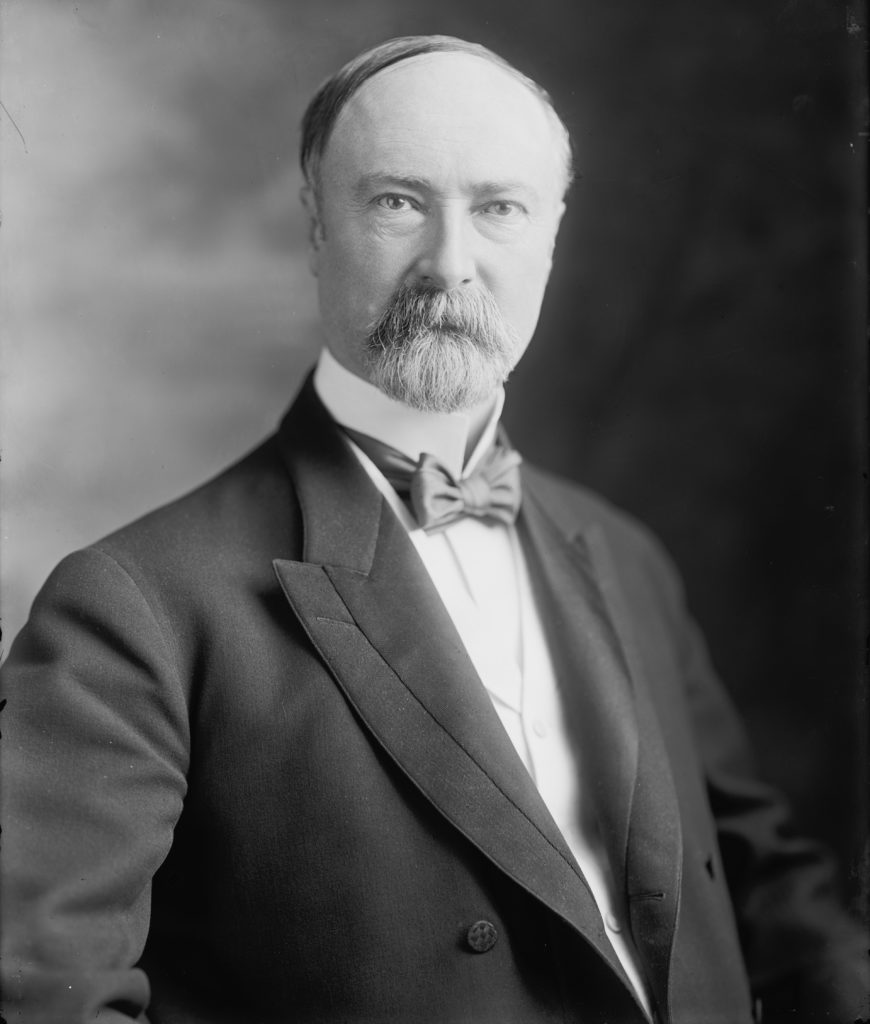
Charles W. Fairbanks
1905–1909
Under T. Roosevelt
Republican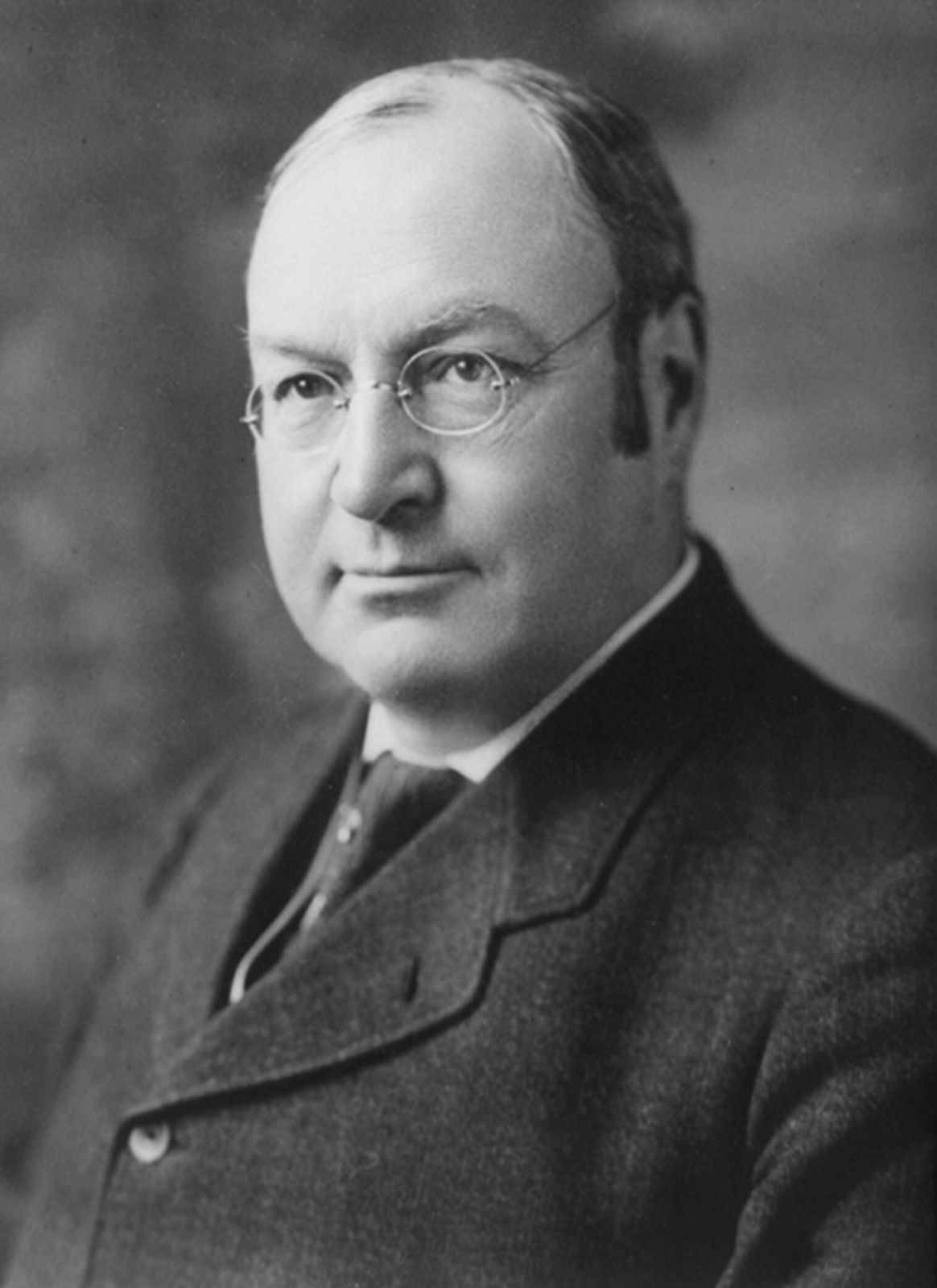
James S. Sherman
1909–1912
Under Taft
RepublicanDied in office
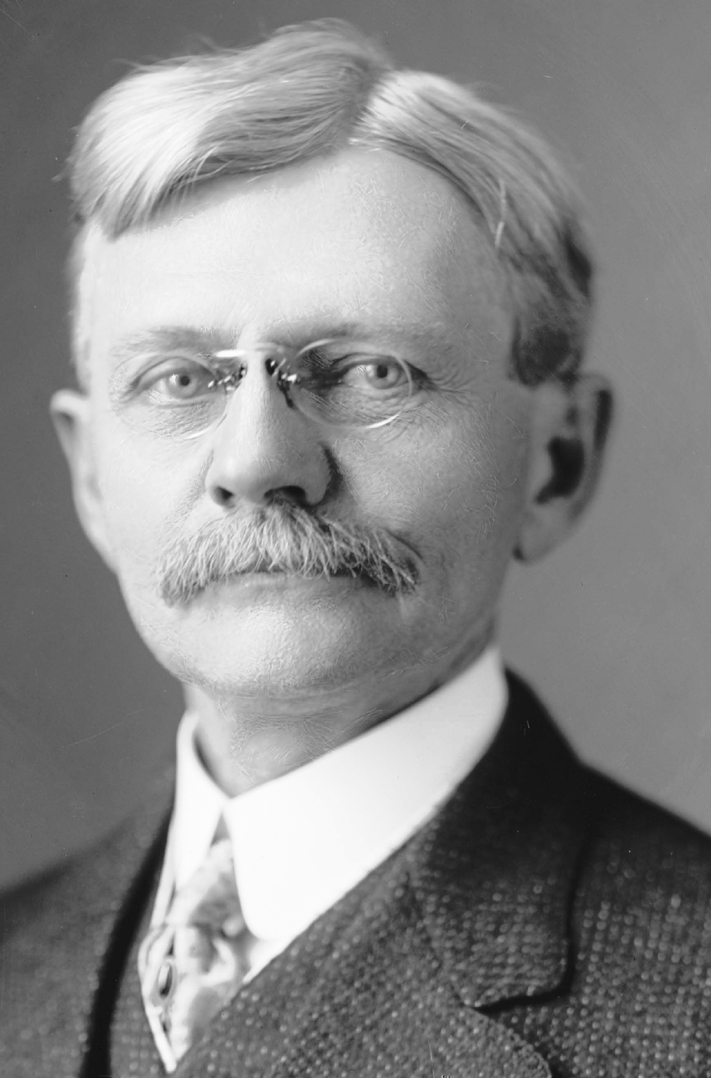
Thomas R. Marshall
1913–1921
Under Wilson
Democrat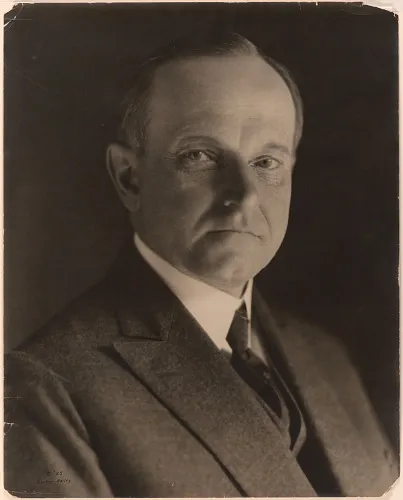
Calvin Coolidge
1921–1923
Under Harding
RepublicanBecame 30th President
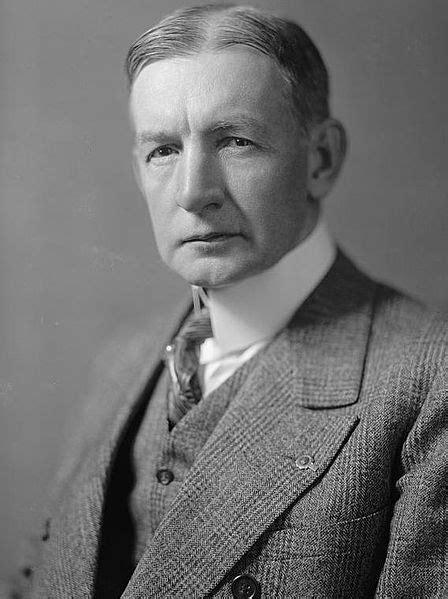
Charles G. Dawes
1925–1929
Under Coolidge
Republican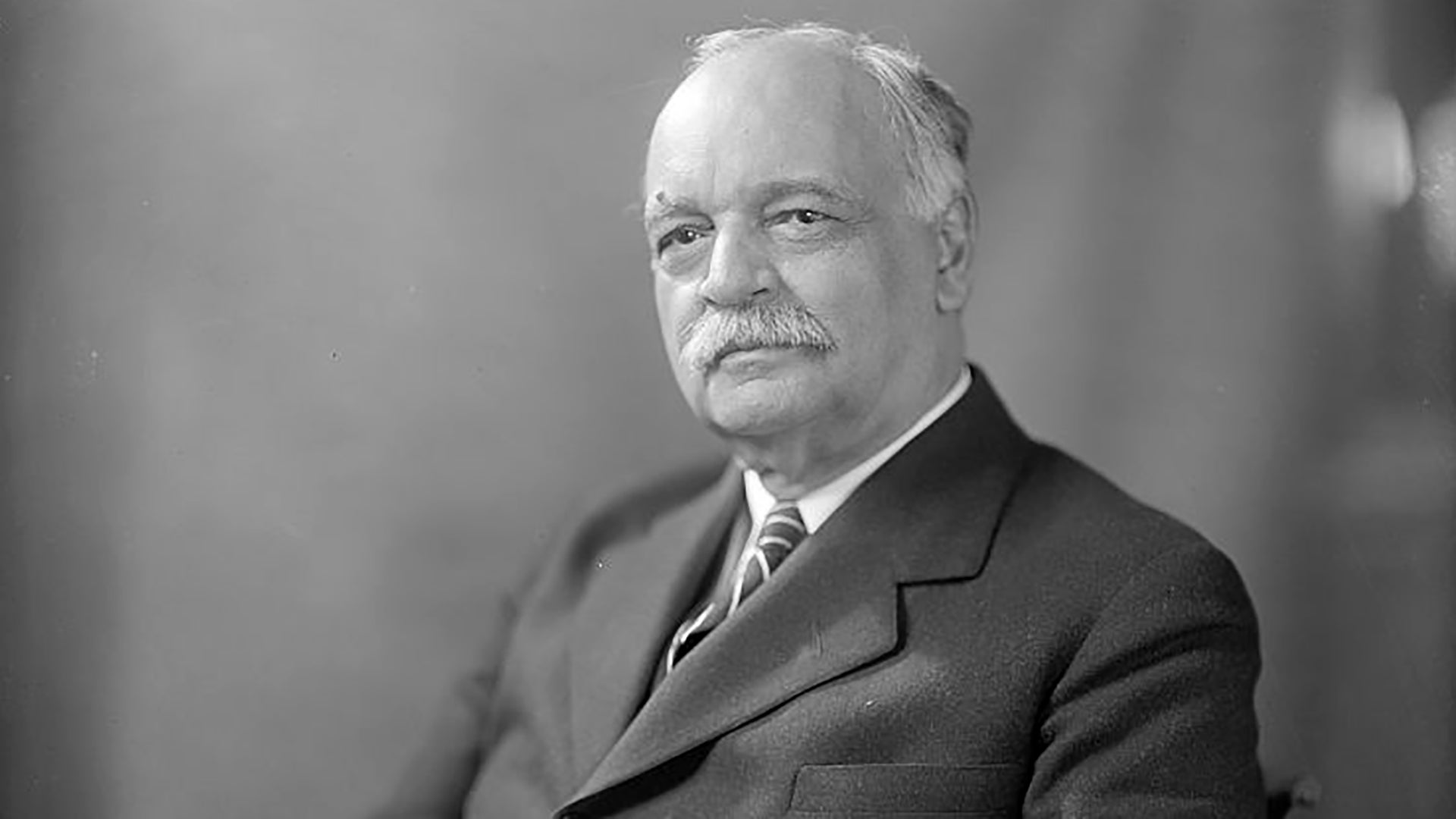
Charles Curtis
1929–1933
Under Hoover
Republican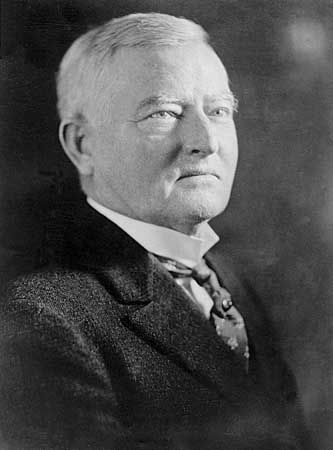
John Nance Garner
1933–1941
Under FDR (1st & 2nd)
Democrat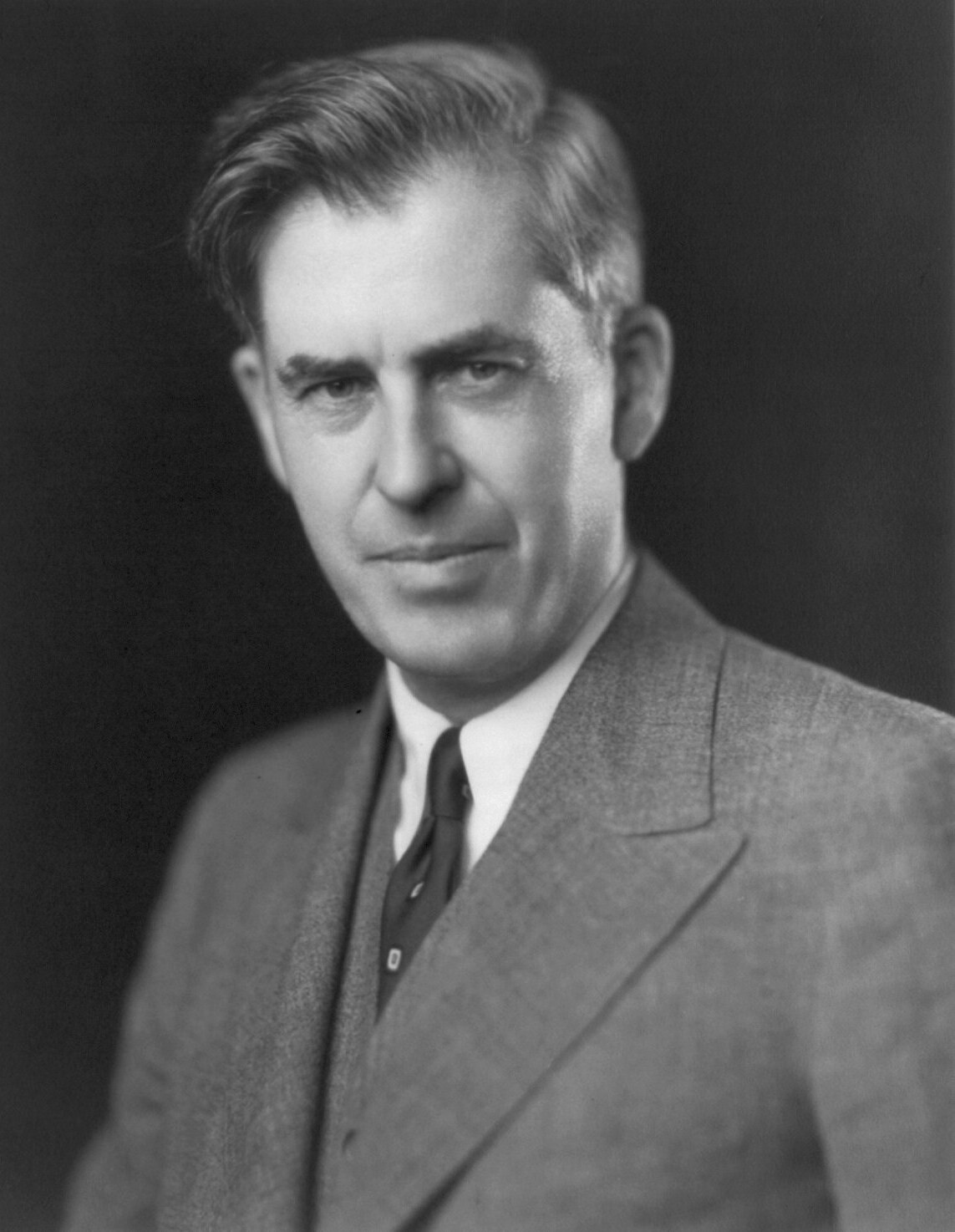
Henry A. Wallace
1941–1945
Under FDR (3rd term)
Democrat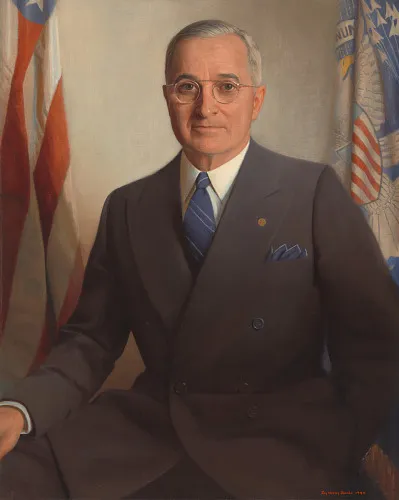
Harry S. Truman
1945
Under FDR
DemocratBecame 33rd President
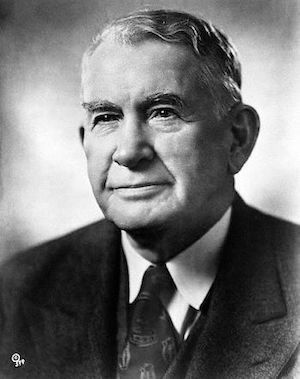
Alben W. Barkley
1949–1953
Under Truman
Democrat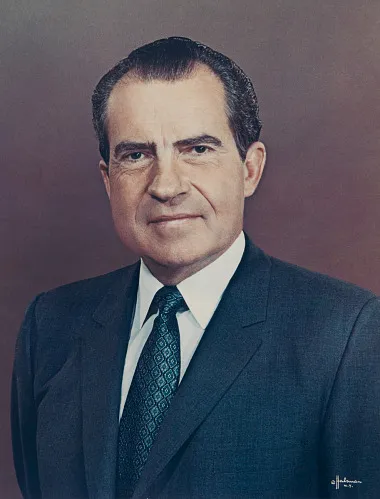
Richard Nixon
1953–1961
Under Eisenhower
RepublicanBecame 37th President
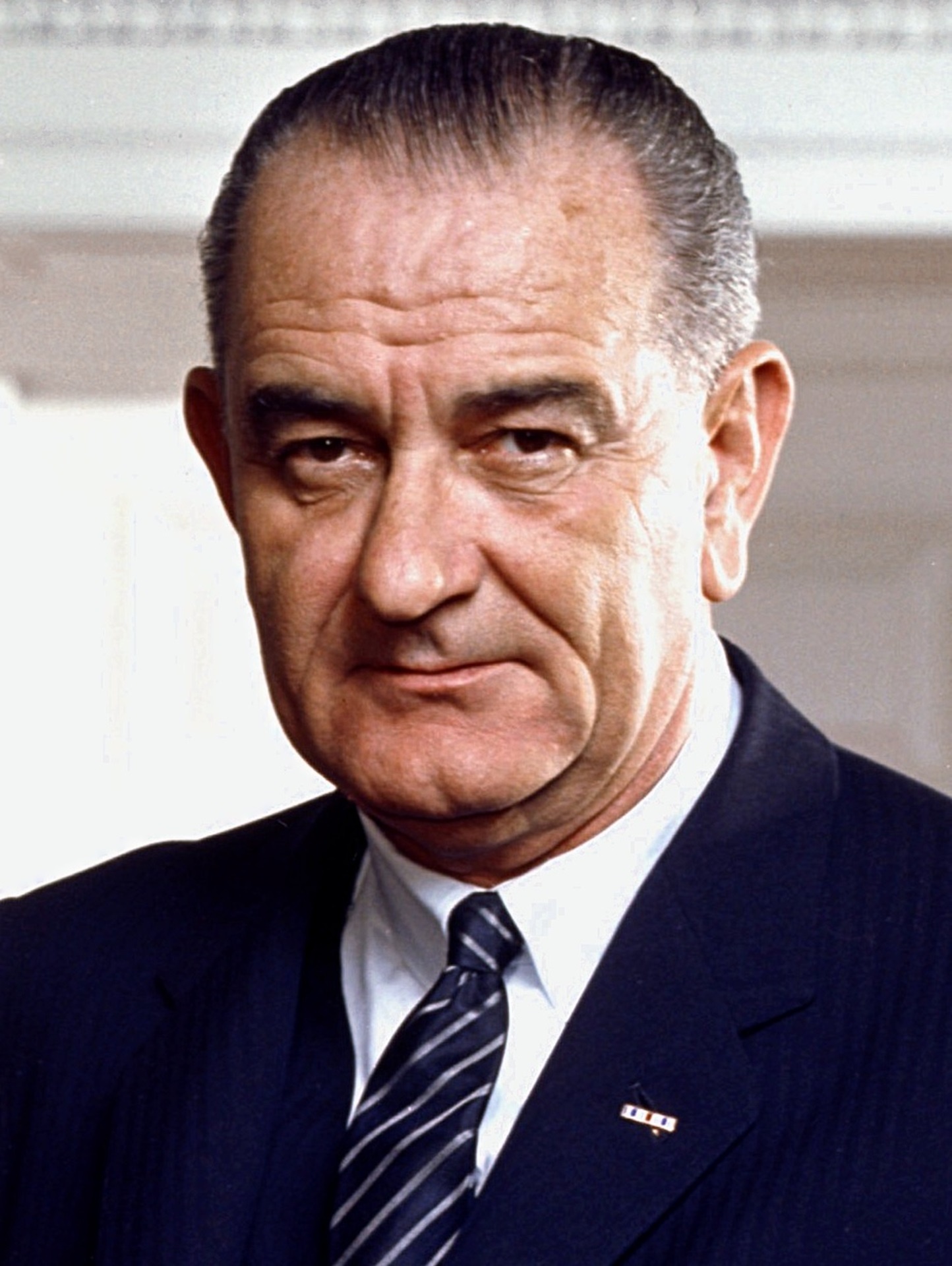
Lyndon B. Johnson
1961–1963
Under Kennedy
DemocratBecame 36th President
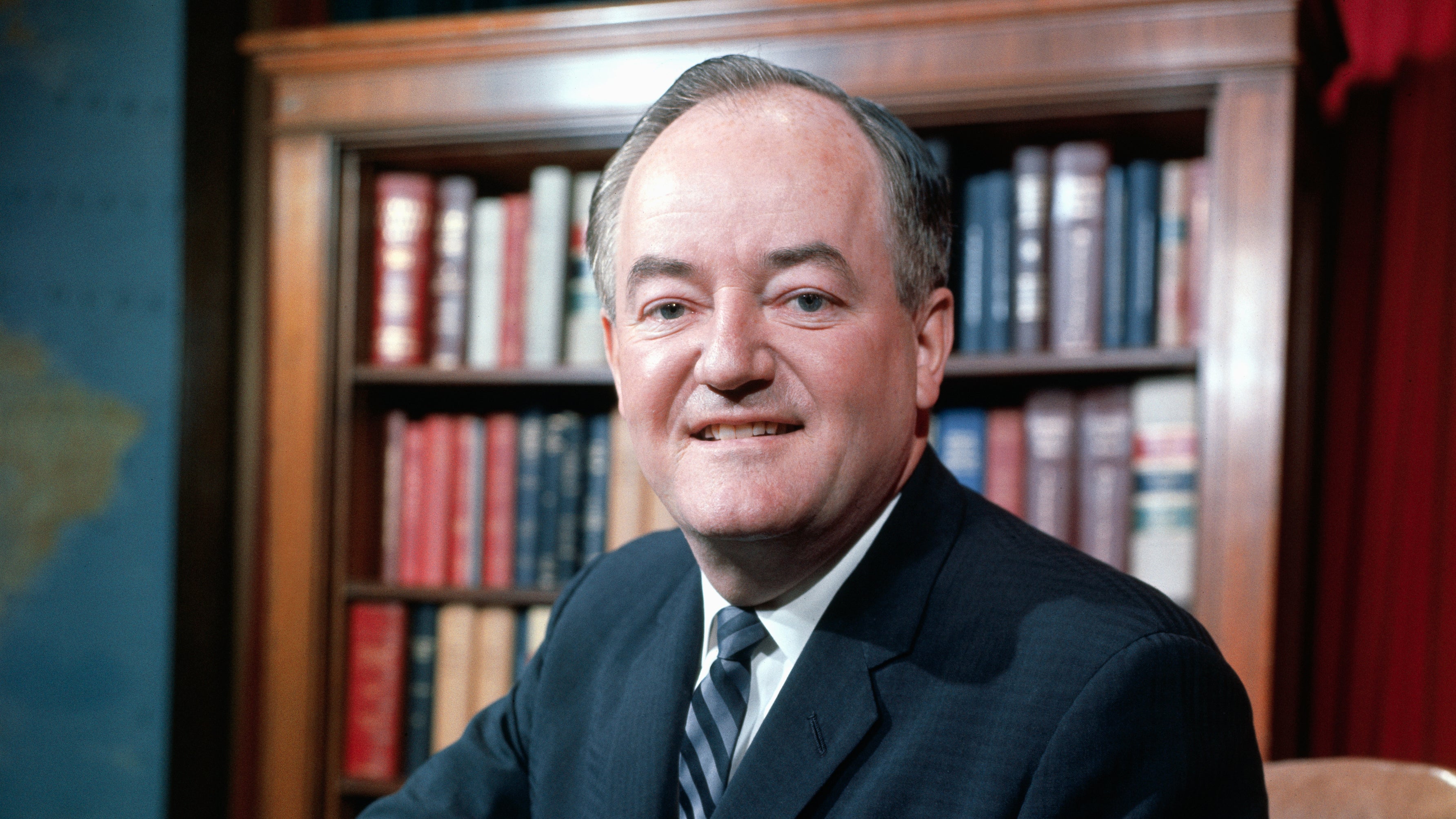
Hubert Humphrey
1965–1969
Under LBJ
Democrat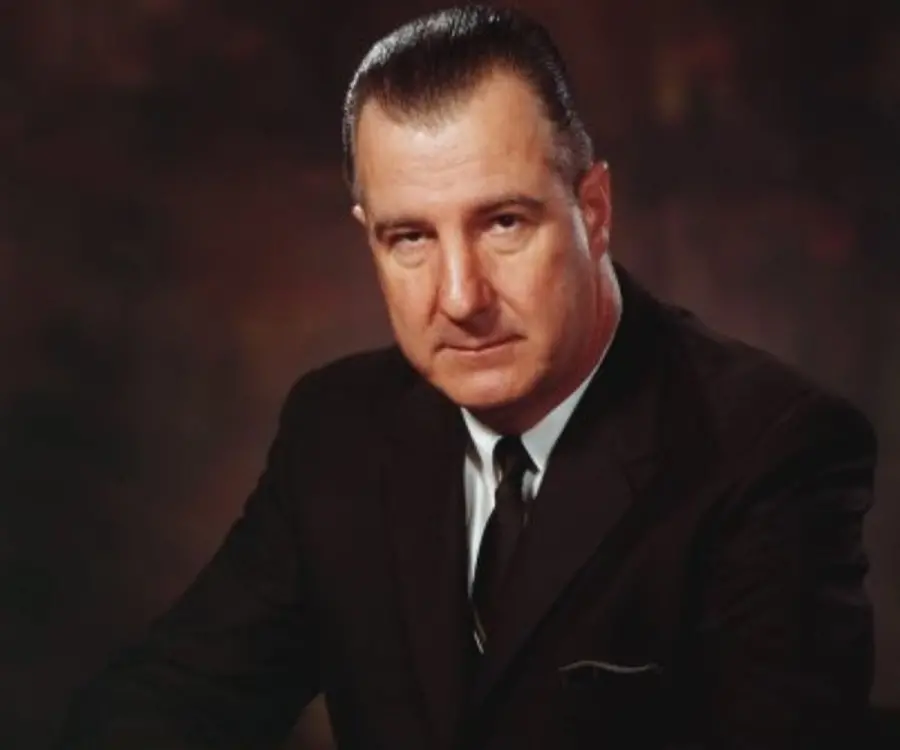
Spiro Agnew
1969–1973
Under Nixon
RepublicanResigned
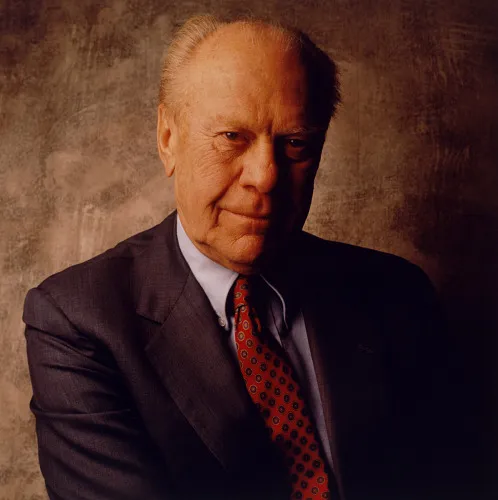
Gerald Ford
1973–1974
Under Nixon
RepublicanBecame 38th President
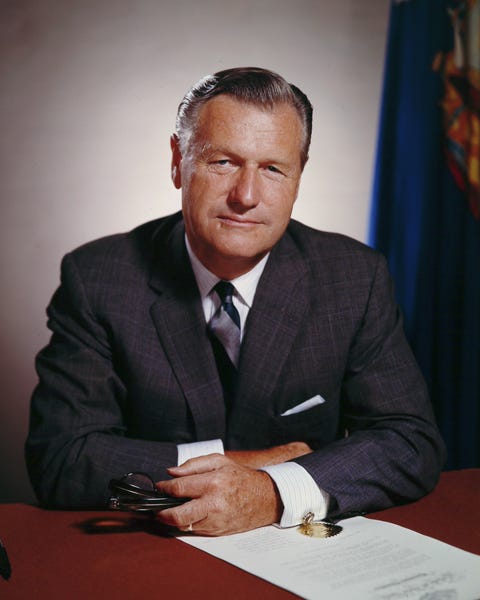
Nelson Rockefeller
1974–1977
Under Ford
Republican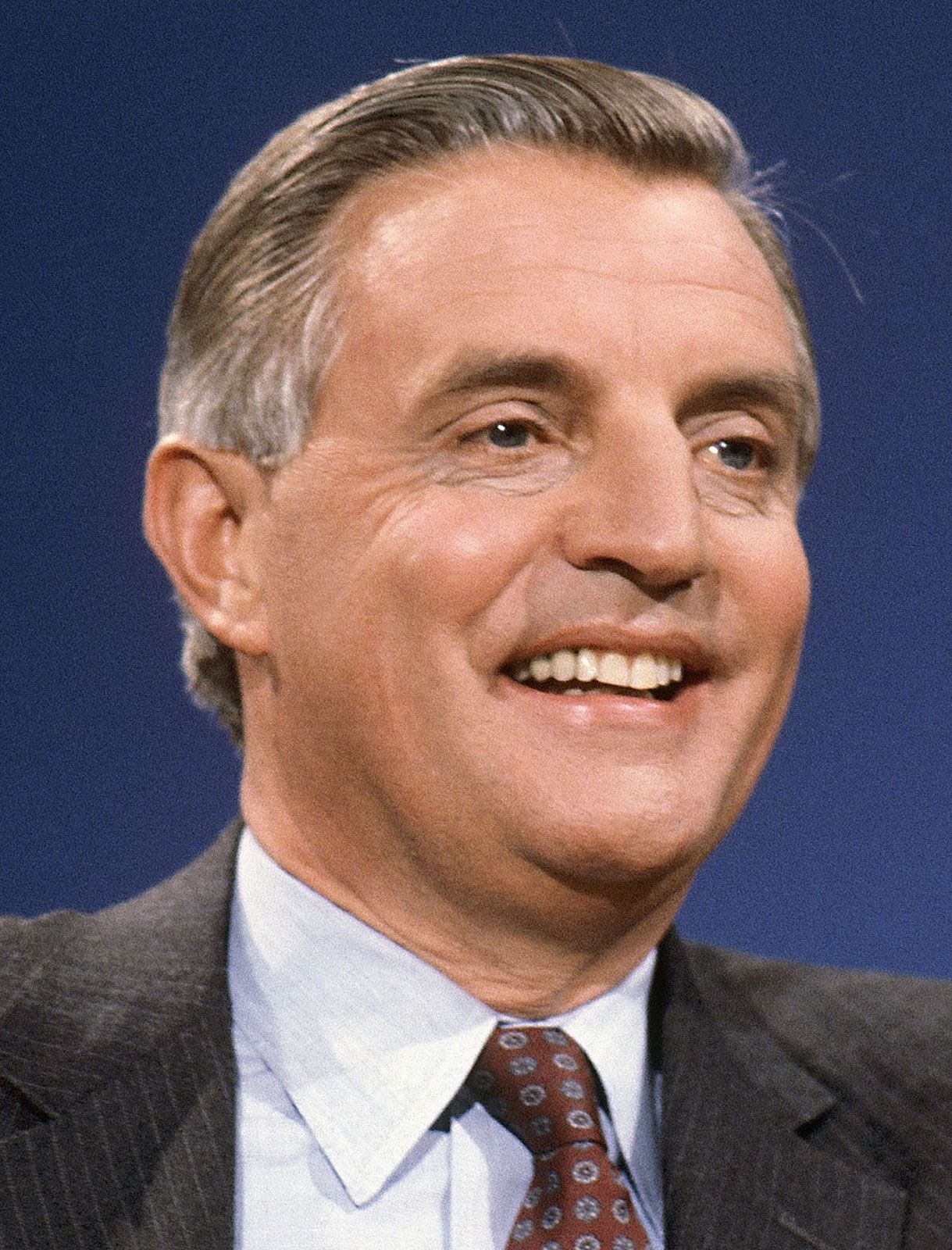
Walter Mondale
1977–1981
Under Carter
Democrat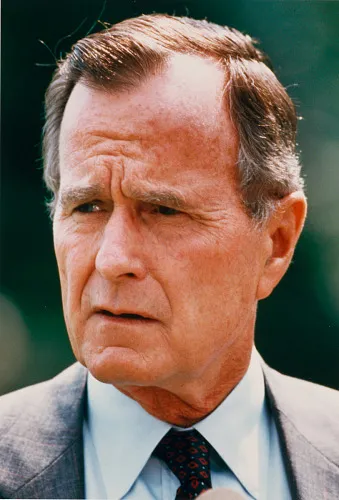
George H.W. Bush
1981–1989
Under Reagan
RepublicanBecame 41st President
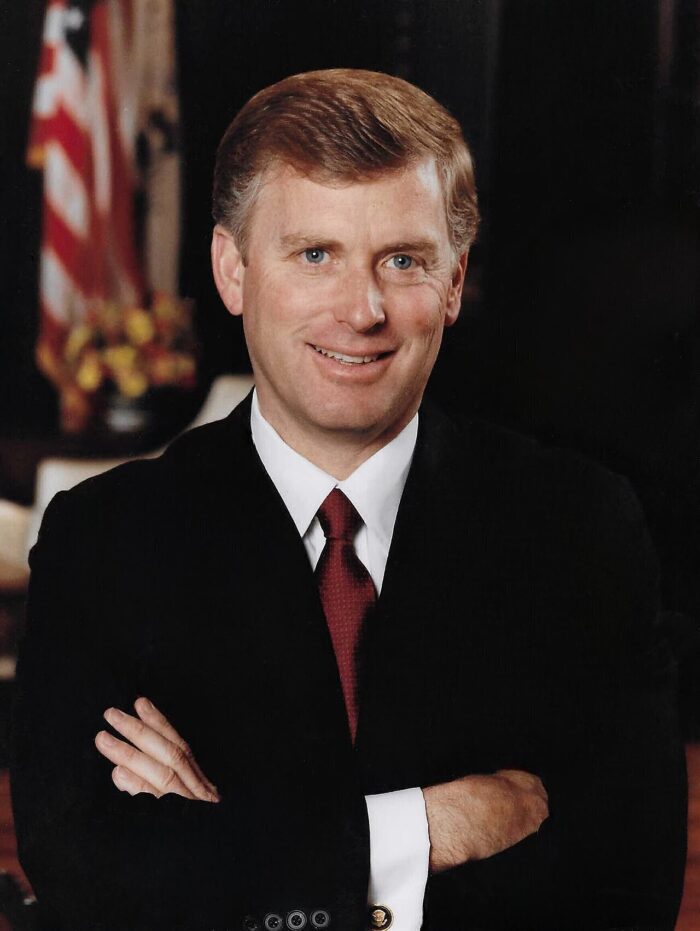
Dan Quayle
1989–1993
Under GHW Bush
Republican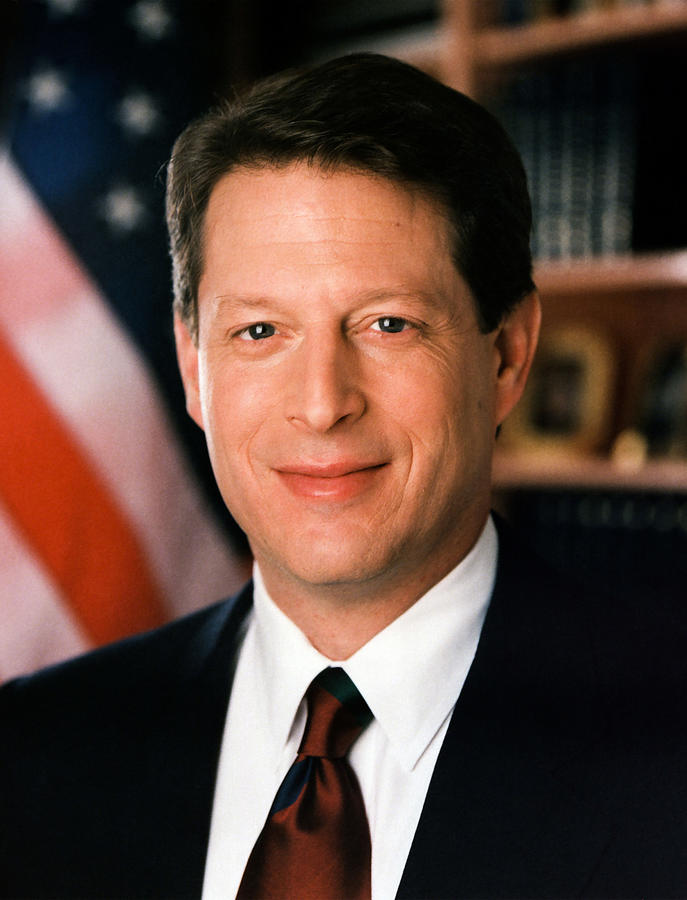
Al Gore
1993–2001
Under Clinton
Democrat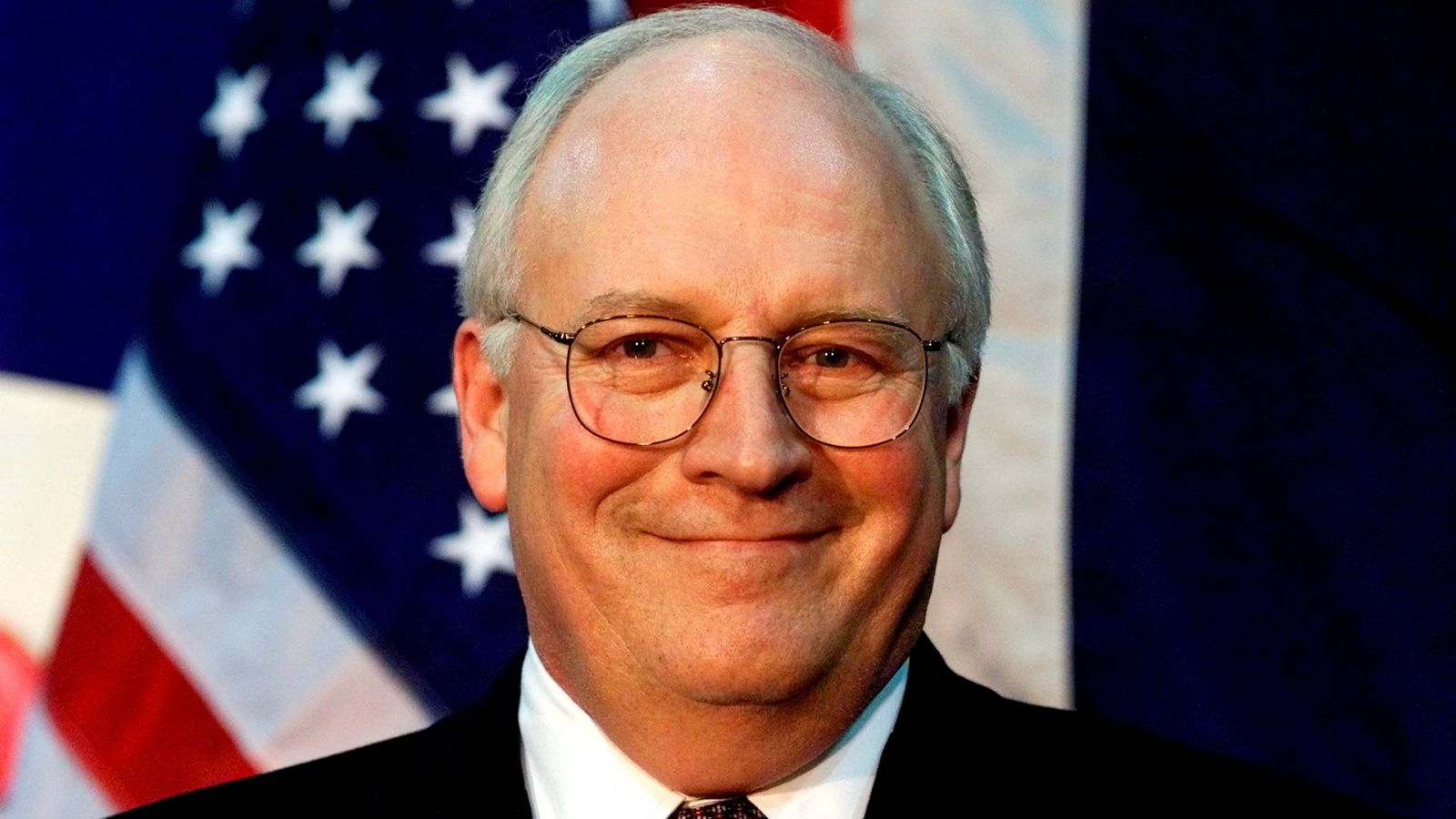
Dick Cheney
2001–2009
Under GW Bush
Republican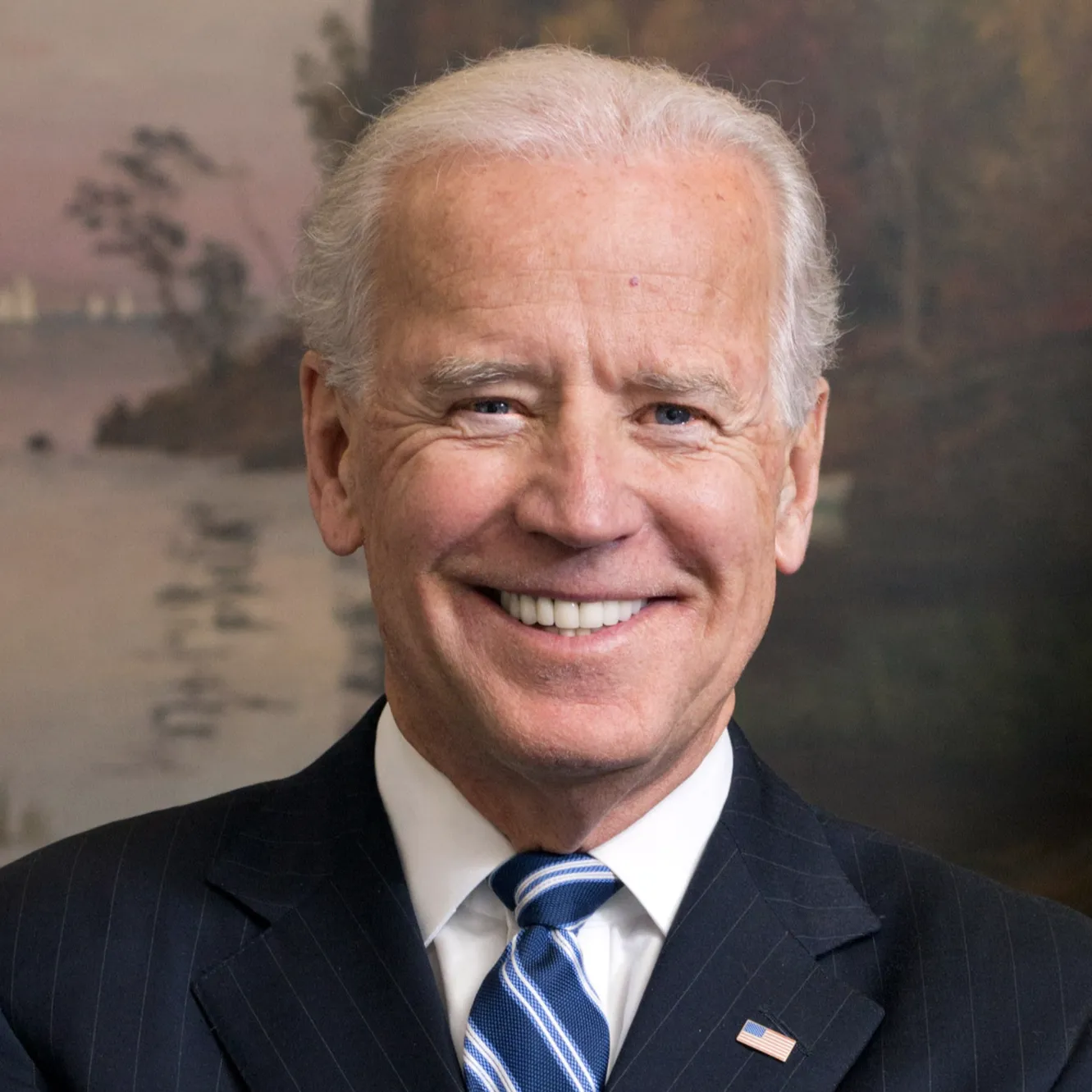
Joe Biden
2009–2017
Under Obama
DemocratBecame 46th President
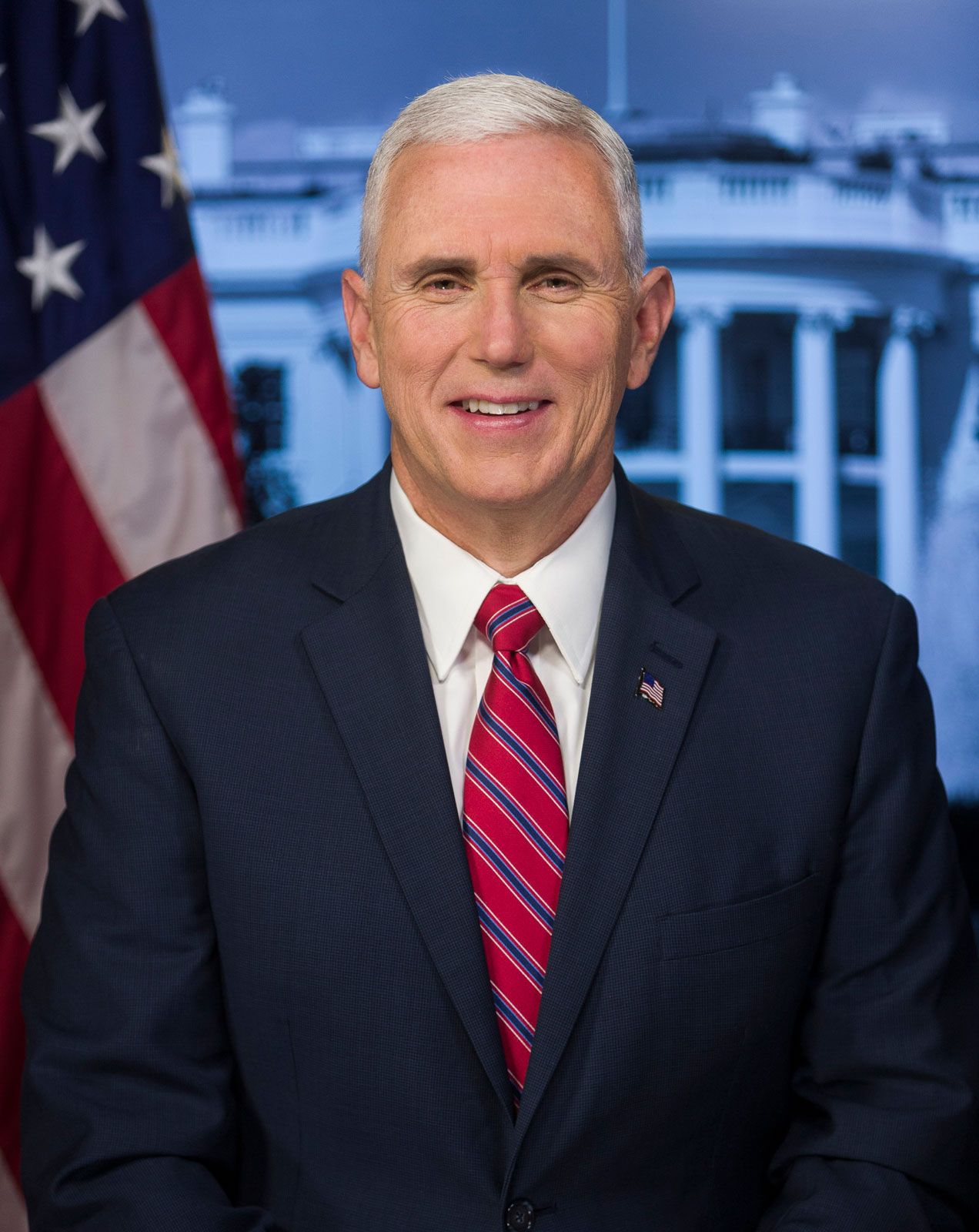
Mike Pence
2017–2021
Under Trump (1st term)
Republican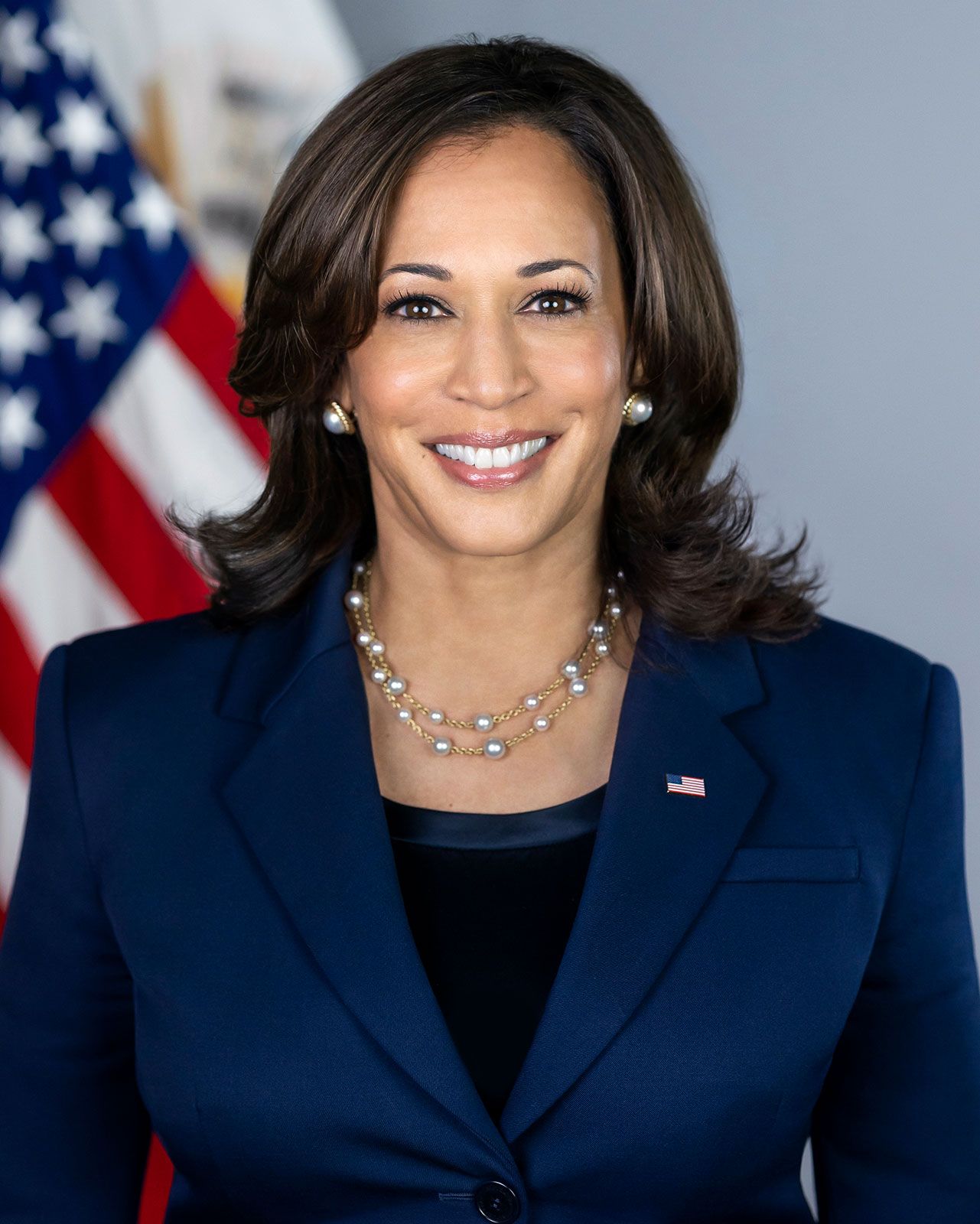
Kamala Harris
2021–2025
Under Biden
DemocratFirst woman VP
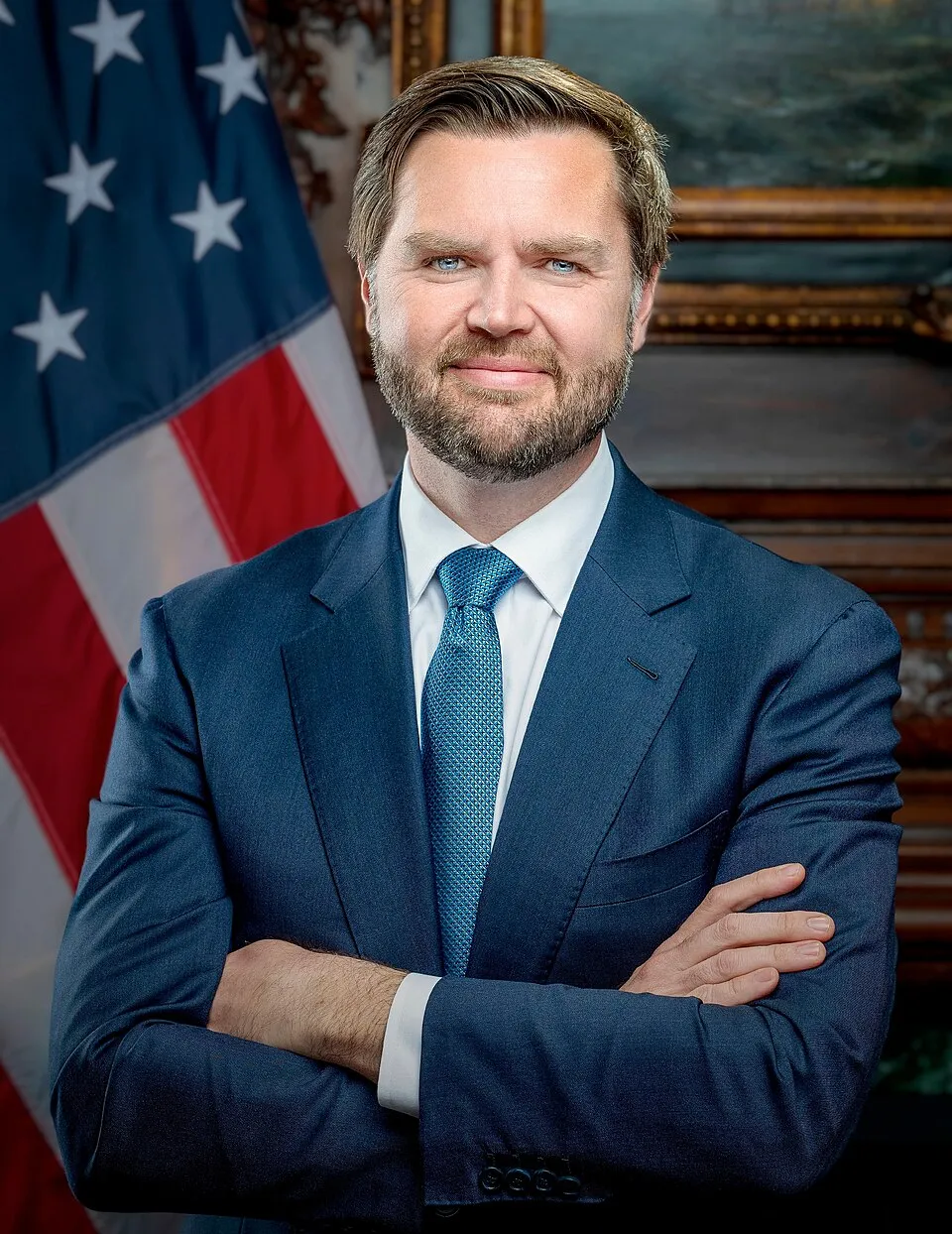
JD Vance
2025–Present
Under Trump (2nd term)
RepublicanCurrent
Current Vice President
JD Vance
50th Vice President of the United States
Former US Senator from Ohio (2023–2025). Author of "Hillbilly Elegy." The youngest VP since Richard Nixon.
Quick Facts
Where to Find It
Did You Know?
The VP's house wasn't always free
For most of US history, vice presidents had to pay for their own housing in DC. It wasn't until 1974 that Congress designated Number One Observatory Circle as the official VP residence. Nelson Rockefeller used it mainly for entertaining; Walter Mondale, in 1977, was the first VP to live there.
Aaron Burr killed Alexander Hamilton
VP Aaron Burr shot and killed former Treasury Secretary Alexander Hamilton in a duel in 1804, while still serving as VP. He was charged with murder in both New York and New Jersey but was never tried. He completed his term.
John C. Calhoun served under two different presidents
Calhoun is the only VP to serve under two presidents from different parties, John Quincy Adams (Democratic-Republican) and Andrew Jackson (Democrat). He eventually resigned to take a Senate seat.
The VP residence has a name
Number One Observatory Circle sits on the grounds of the US Naval Observatory in Washington DC. It was built in 1893 as the home for the observatory superintendent. The VP gets a full staff, security detail, and the house, but pays for their own food and personal expenses.