
The Long Table, the Golden Book, and the Closing of the Door
Imagine a harbor town called Port Halloran. The town is a republic. Its constitution sets up a council of forty members who meet at the Long Table in the town hall, and every two years the voters choose who sits in those forty chairs.
The rule for running is simple. Anyone twenty-five or older who lives in Port Halloran can put their name on the ballot. Fishermen have sat at the Long Table. So have a baker, a schoolteacher, and a ropemaker. The chairs belong to the town, not to the people sitting in them (open office).
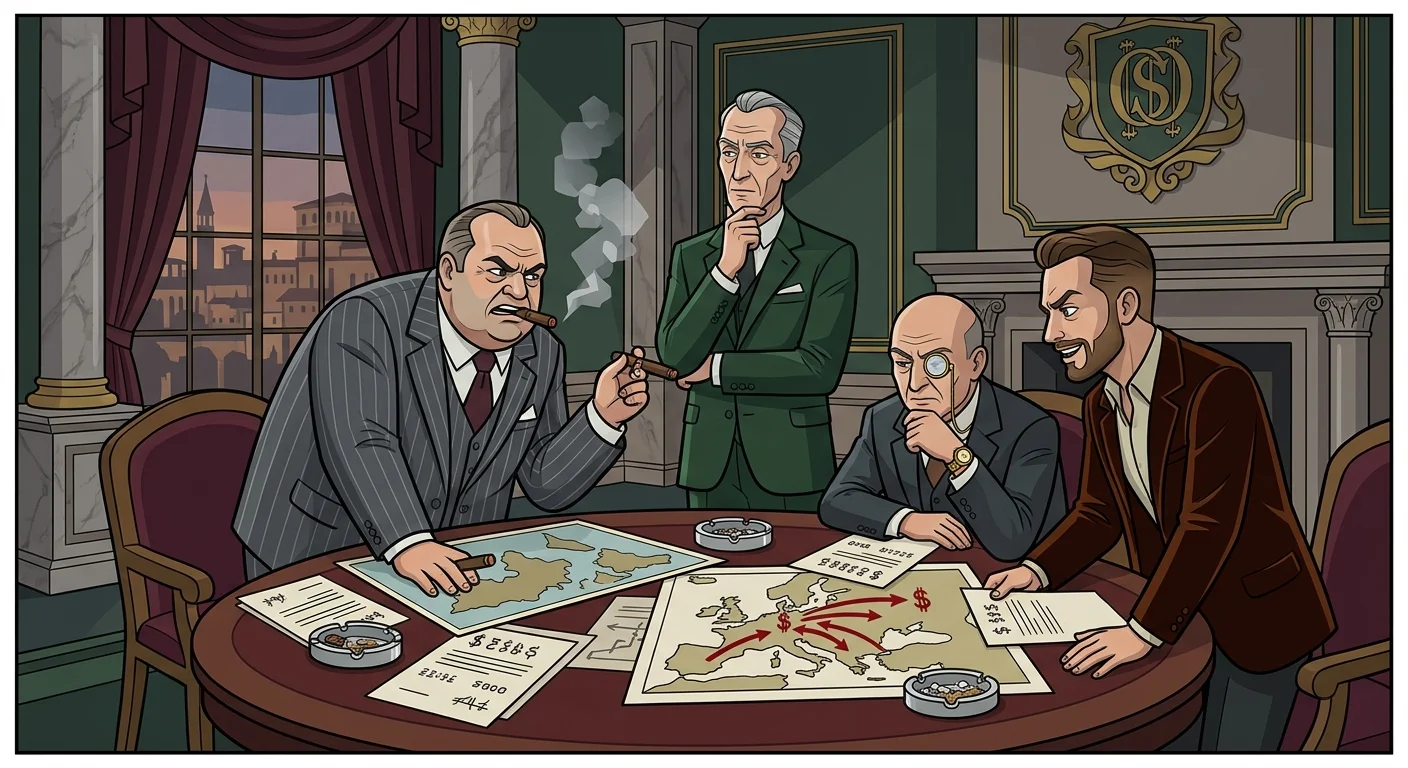
Three families grow rich in the shipping trade: the Ashcombes, the Verrells, and the Penroses. Their ships carry salt fish south and bring back cloth, spices, and coin. They build fine houses on the hill above the harbor.
They aren't villains. They pay for a new seawall when the council can't. They put a new roof on the school. When a storm sinks half the fishing fleet, the Verrells lend the money to rebuild it. The town grows richer than it has ever been.
And the people begin to trust them.
Running for the council starts to cost money. Handbills must be printed, halls rented, and lamps lit for evening meetings. The families are glad to help the candidates they like (campaign money). Soon voters stop asking, "Who would serve all of us best?" They ask, "Who has the backing to win?"
At the school, the hour once spent reading the town's constitution goes to bookkeeping and navigation, which the shipping houses say young people really need. A generation grows up knowing how to balance a ledger, but not why the Long Table has forty chairs, or who those chairs belong to.
Then comes a lean year. The treasury is empty, and the council can't pay its clerks or its harbor guards. The families offer a loan. As security, the town pledges its shipyard, the biggest business in Port Halloran. When the loan comes due, the treasury still can't pay, so the families keep the shipyard. It is worth many times what they lent (a sale to insiders).
Ah, but nobody else was allowed to make an offer. The families wrote the terms of the loan themselves.
The mayor who signed the deal faces a hard election that fall. The families pay for his campaign, and he wins.
Nobody breaks a single rule. The families simply start writing them.
The first new rule seems sensible. Anyone who runs for the council must pay a filing fee, to keep out pranksters and cranks. The fee is a month's wages for a fisherman. For a shipping family, it is pocket change (a fee to run for office).
The second rule sounds reasonable too. Council members handle the town's money, so each one must own property worth a set amount, as a guarantee of good conduct (a property requirement for office).
The third rule sounds noble. Council members should serve out of duty, not for pay, so the small salary that came with each chair is ended (unpaid office). The families call it public service. But a fisherman who spends his days at the Long Table can't spend them on the water, so fishermen stop running.
When old Mr. Ashcombe dies in the middle of his term, the council chooses his son to finish it. The son knows the work. He grew up hearing it discussed at the dinner table. When the next Verrell chair opens, a Verrell nephew fills it (seats passed down in families).
The Harbor Gazette, the town's only newspaper, is losing money. The Penroses buy it and keep it running. It still prints the ship arrivals, the weather, and the price of fish. It just stops printing stories about the shipping families (a captured press).
Last, the council makes a book. To run for office, a candidate's name must be written in the Register of Citizens in Good Standing, a heavy volume with gold-edged pages kept in the clerk's office. To get your name in, two council members must sign for you (the Golden Book).
For a few years, they sign for friends, business partners, and sons-in-law. Then the council votes that no new names may be added, except by a two-thirds vote of the council itself (the closing).
The book is closed.
Port Halloran doesn't fall apart. In many ways it runs better than ever. The families plan for the next thirty years instead of the next election. The harbor is dredged, the lighthouse rebuilt, and the town's ships trade in ports the old council had never heard of. There are no shouting matches at the Long Table and no wild promises. Visitors call Port Halloran the steadiest town on the coast.
But the fishermen's dock rots while the shipping wharf gets new stone. The harbor tax goes up on small boats and down on large ships. The council lends the town's savings to the families' own counting houses at low interest. None of it is illegal. The people who make the laws are the people the laws help.
Nell Tarrant is a fisherman's daughter who knows the harbor better than anyone at the Long Table. She knows where the channel silts up and which pilings will give way in the next storm. She decides to run for the council.
She can't pay the fee. She owns no property worth the required amount. She couldn't afford to serve without pay anyway. And when she asks the clerk to put her name in the book, he tells her, kindly, that the book is closed.
She writes a letter to the Gazette. It isn't printed.
Elections are still held every two years. The ballots are still printed, and people still line up to vote. There are even close races, an Ashcombe against a Penrose, or a Verrell against another Verrell.
But every name on the ballot comes from the same book, and the book belongs to the same few families.
Fewer people bother to vote. Whoever wins, the hill wins.
One evening Nell walks past the town hall. Through the tall windows she can see the Long Table and its forty chairs, exactly where they have always been. The constitution still hangs on the wall. Not one word of it has changed.
The chairs never moved. Only the door did.
Nobody stormed the town hall. The door was closed one reasonable rule at a time, by the people already inside.
Port Halloran is rich, steady, and well run. Nell Tarrant still has her vote. She just can't find a name on the ballot that isn't from the hill.